The US 250th anniversary event in Washington DC is built around scale: hourly military flyovers, a 40-minute fireworks show and a presidential address that Donald Trump has already advertised as “really long.” Subtle scheduling, as ever, remains optional.
Saturday’s celebration on the National Mall lands during a punishing heatwave across parts of the eastern and central United States. Forecasts are calling for temperatures near 38C, or 100F, with high humidity, plus the possibility of evening thunderstorms. That combination could affect turnout and the event timetable, not to mention the patience of anyone standing in a security line.
What is planned on the National Mall?
The Washington event is officially called the Salute to America 250 Celebrations & Fireworks. It is being organized by Freedom250, a White House-backed public-private partnership.
The main programme is scheduled to begin at 19:00 local time, with Trump expected to speak at around 21:45. The fireworks are due to follow his remarks.
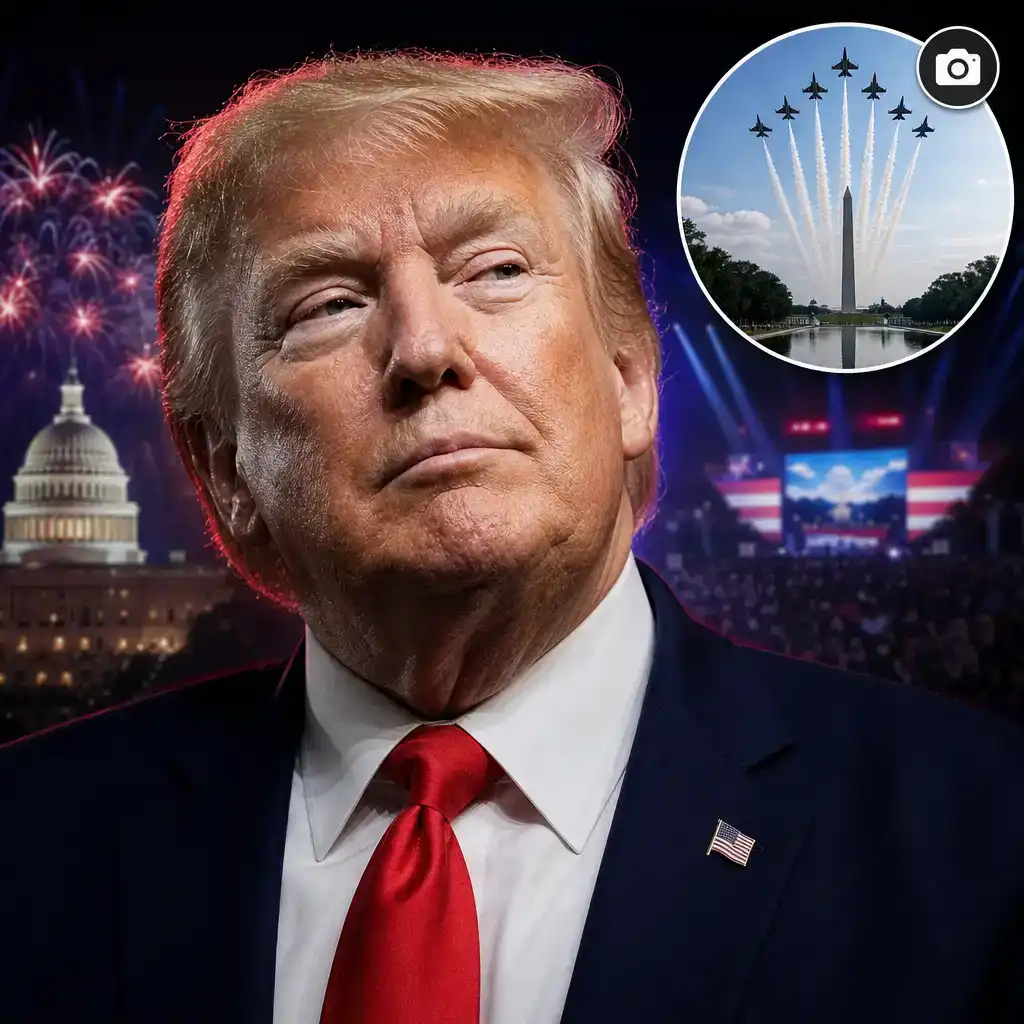
Before that, military aircraft are scheduled to fly over Washington every hour from 13:15 local time until sunset, according to organisers. Hundreds of aircraft are expected to take part across the day. One formation is also expected to include Trump’s new Air Force One.
Several events planned for earlier Saturday have already been cancelled because of the forecast heat. The later start for the main programme may help, though 19:00 in Washington in July is not exactly a cool-weather loophole.
How large is the fireworks display meant to be?
Trump has said this year’s Fourth of July fireworks display will be the “largest fireworks show in history.” Organisers say about 850,000 fireworks will be launched from 10 sites across the city, including eight barges positioned on the Potomac River.
The display is expected to last 40 minutes. That is roughly twice the length of Washington’s usual Independence Day show, which typically features about 20,000 fireworks.
Organisers hope to set a Guinness World Record for the largest official fireworks display, beating the current mark set in 2016 by a megachurch in the Philippines.
There is, however, an obvious practical downside to sending nearly a million explosives into the air over a major city. Internal National Park Service documents obtained by outlets including The Washington Post and Politico warned that the display was likely to create “very unhealthy” air quality conditions in central Washington.
What did Trump say before the event?
On Friday, the eve of Independence Day, Trump spoke at Mount Rushmore in South Dakota and framed the anniversary in overtly political terms. He claimed American identity was under threat from domestic “radicals” and “extremists.”
He also warned of a return of what he called “the communist menace” and criticised “newcomers” who, in his telling, had adopted ideas opposed to the American way of life.
The remarks match a growing Republican line of attack ahead of the November mid-term elections, with party figures increasingly trying to brand Democrats as communists. It is not a new tactic, but the anniversary setting gives it a larger stage and, apparently, more aircraft.
Trump has also said he intends to deliver a “really long speech” during the Washington celebrations, adding that he wanted to do so despite the heatwave “to show that I can do anything.”
Why has the celebration become politically controversial?
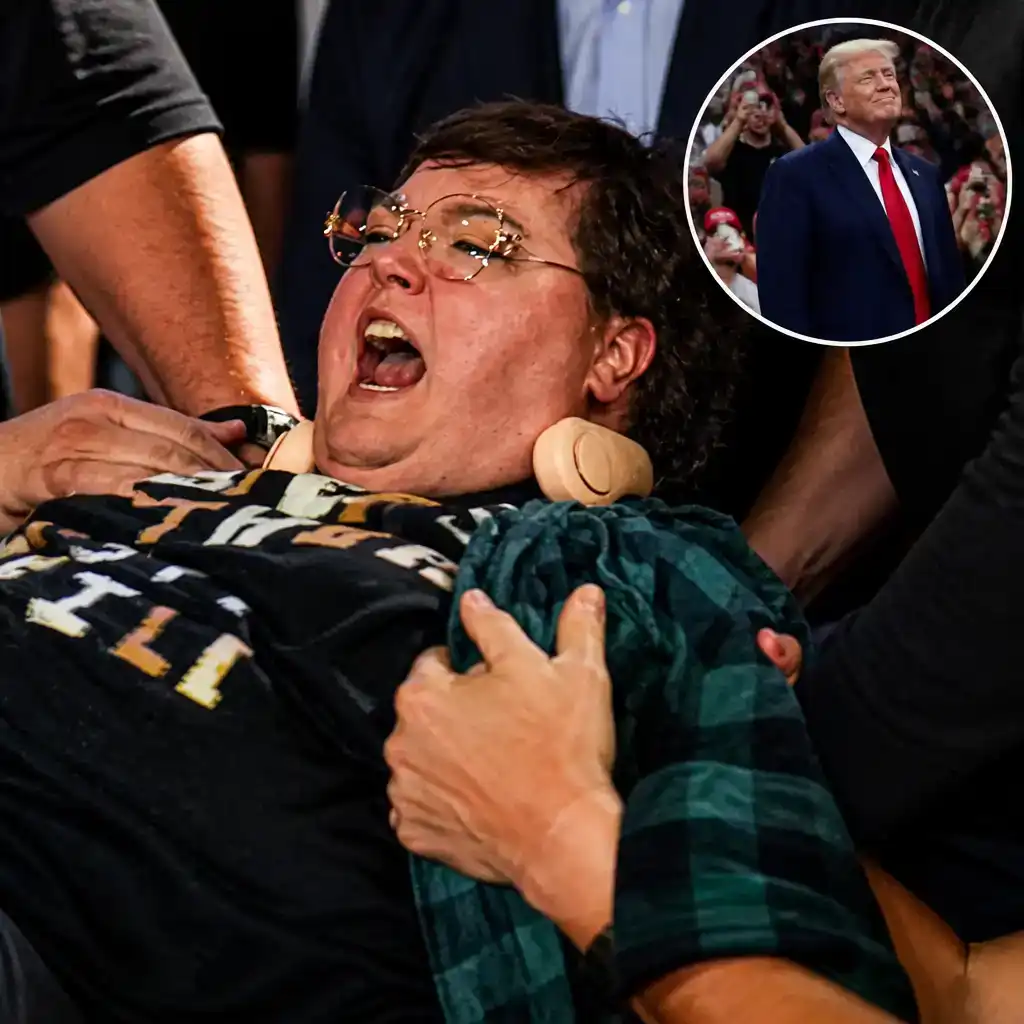
The anniversary event has drawn criticism from Democrats and other opponents, who accuse Trump of turning a national commemoration into a personal political platform.
At the centre of that dispute is Freedom250. Critics say the White House-backed organisation has effectively displaced America250, the separate bipartisan commission created by Congress a decade ago to prepare for the milestone.
California Democratic Senator Alex Padilla made that argument directly during a hearing on 24 June.
“President Trump couldn't help but try making America's 250th birthday all about himself,” Padilla said.
Freedom250 has rejected the criticism, calling it a “partisan smear” from politicians more interested in scoring “political points” than celebrating the country’s anniversary.
The event has also run into some cultural turbulence. Several music acts withdrew soon after being announced, adding another layer of unwanted attention before Saturday’s programme.
What could affect the crowd size?
Administration officials are reportedly concerned about attendance, and the logistics are not especially friendly.
The main obstacles include:
- Extreme heat and humidity, with temperatures around 38C
- Possible evening thunderstorms
- A later-than-expected start for the main event
- Airport-style security checkpoints
- Earlier cancellations tied to the weather forecast
None of those factors guarantees a small crowd, but they do make the event harder to manage. Large public gatherings depend on timing, transport, comfort and weather as much as on speeches and spectacle. This one is testing most of those variables at once.
How are other US cities marking the anniversary?
Washington is not the only city staging major events for the anniversary.
In New York, the Times Square Ball is scheduled to drop eight times, marking midnight in every US time zone. The city is also due to hold a fireworks display at 21:25 local time.
Philadelphia has a particularly central role in the anniversary, because the Declaration of Independence was signed at Independence Hall 250 years ago. The city is hosting a celebration concert featuring Christina Aguilera and Meek Mill.
Philadelphia is also hosting its final World Cup match earlier in the day, creating a crowded civic calendar. For organisers, it is a useful reminder: major events are easier to announce than to stage, especially when weather, politics and security all arrive on the same programme.