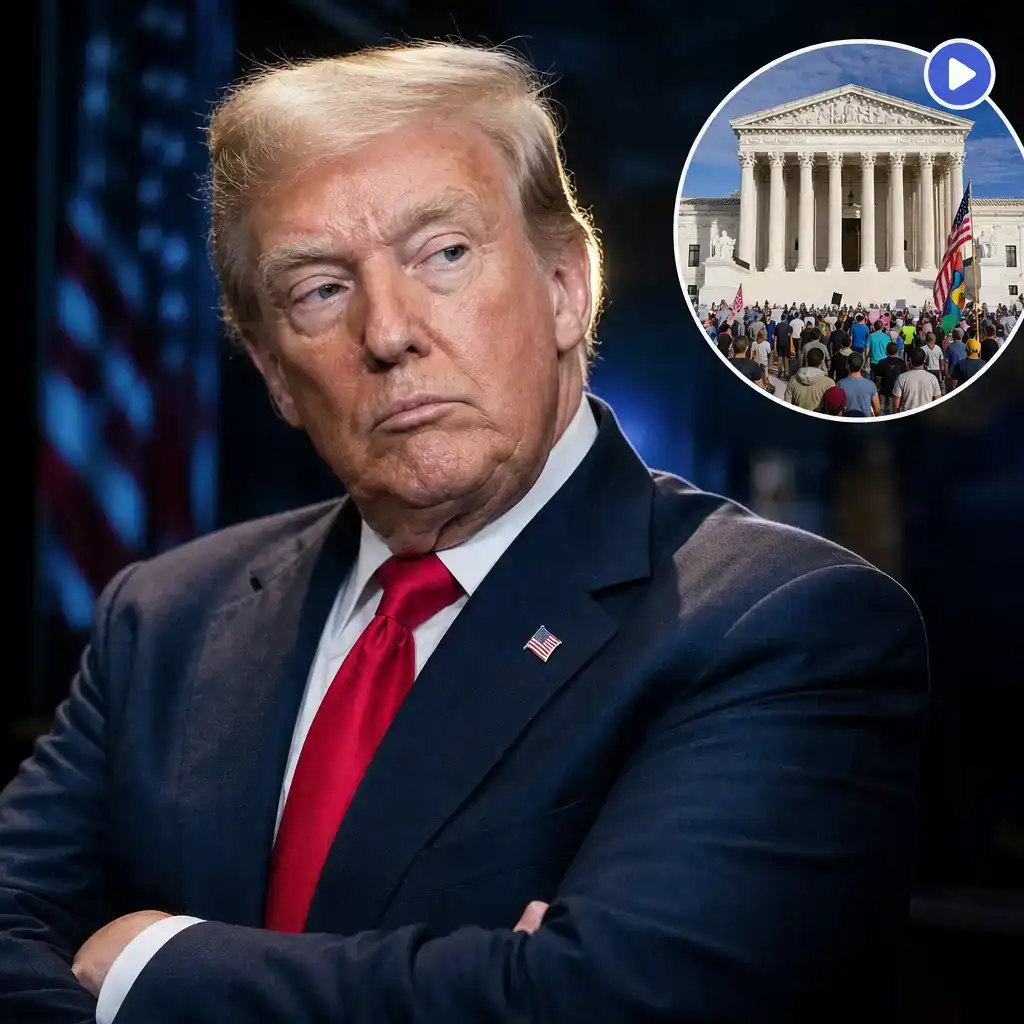
The United States Supreme Court has ruled against President Donald Trump’s executive order seeking to limit birthright citizenship, leaving intact the constitutional rule that children born on US soil are entitled to citizenship.
What did the Supreme Court decide?
The court blocked the executive order, which aimed to end automatic citizenship for all individuals born in the United States.
The ruling means children born in the country remain covered by the Constitution’s citizenship guarantee. In practical terms, the decision stops the administration from narrowing that right through executive action.
Why does the ruling matter?
Birthright citizenship has long been a central part of US constitutional law. Trump’s order attempted to change who qualifies as a citizen at birth, a move with direct consequences for families, immigration policy, and the limits of presidential authority.
The Supreme Court’s decision keeps the existing framework in place. For now, the rule is straightforward enough that even Washington may struggle to complicate it: being born on US soil continues to carry citizenship rights under the Constitution.