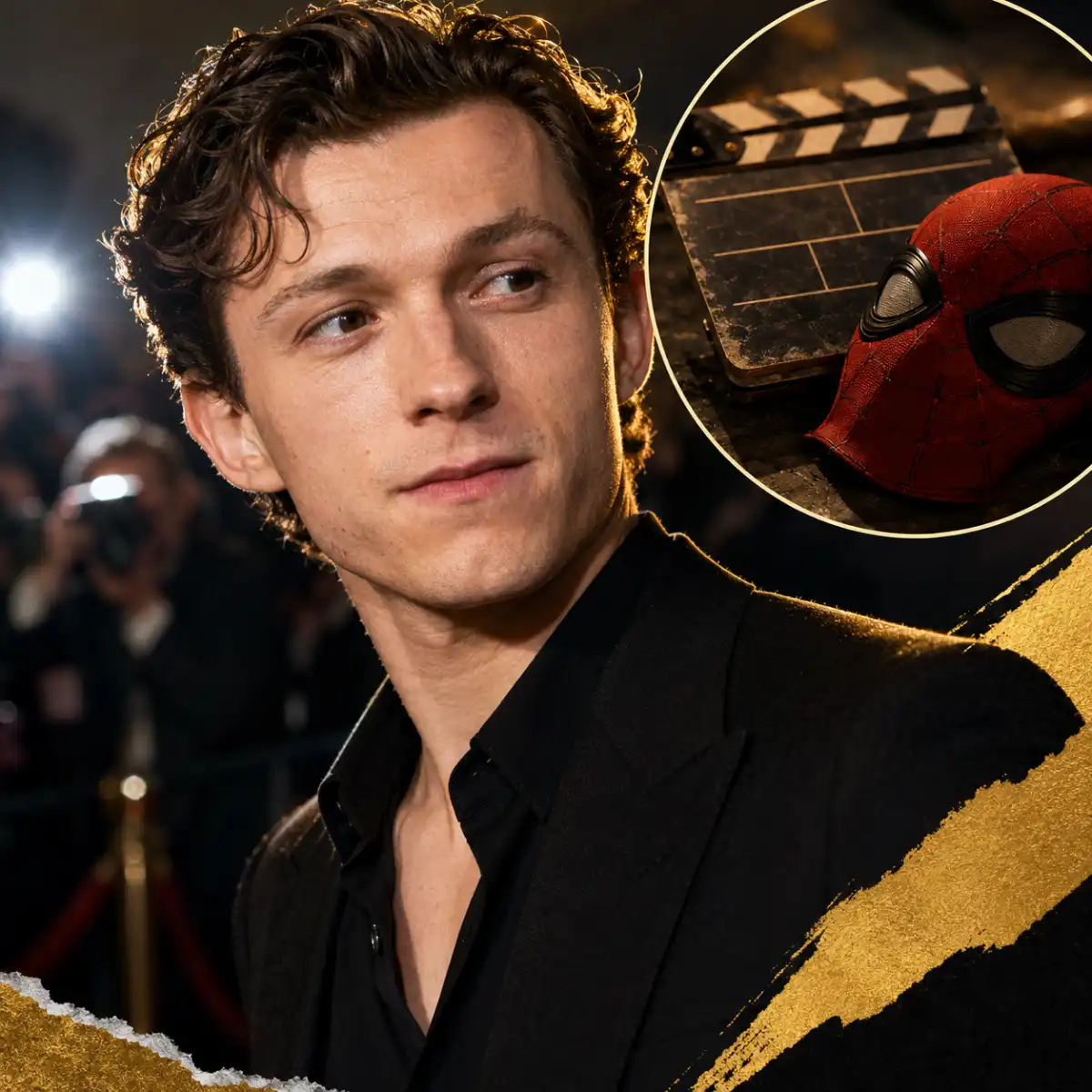
The first Spider-Man: Brand New Day reviews agree on one thing: Peter Parker is having a difficult time. Whether that struggle produces one of Marvel’s strongest recent films or another overfilled franchise installment is where critics sharply part company.
Destin Daniel Cretton’s 145-minute sequel brings Tom Holland back for his fourth solo outing as Spider-Man, with a story set four years after No Way Home. That film ended with everyone forgetting Peter Parker existed, leaving him alive but isolated. The new movie appears determined to sit with that loss, at least when it is not making room for Hulk, Punisher and the usual machinery of a shared cinematic universe.
The result, according to early reactions, is either emotionally ambitious or impressively good at pretending to be. A small distinction, perhaps, but an important one when tickets are involved.
Does the film finally let Peter Parker grow up?
The strongest reviews say Holland is playing a more mature and emotionally damaged Peter, rather than simply resetting him for another round of high-school complications.
Gizmodo praised the film for focusing on “our Spider-Man” as he wrestles with himself and his past while trying to protect New York. Its review acknowledged that the story offers limited surprise, but argued that its emotional ambition and carefully used Marvel connections justify the five-year wait between Spider-Man movies.
TheWrap went further, calling it a “fantastic film about Peter Parker” and his repeated, painful attempts to remain a good person. The review also argued that the guest heroes and villains support the story’s themes without taking control of it, a basic courtesy that ensemble superhero movies do not always manage.
The Daily Beast similarly described it as Marvel’s best Spider-Man film, highlighting both the emotional material and Cretton’s dynamic action. Fandango’s Erik Davis called the sequel deeper and more mature than Holland’s previous trilogy, while critic Peter Howell said Holland finally captures the character’s familiar mix of sarcasm and angst.
That praise matters because No Way Home left Peter with an unusually bleak problem. He did not merely lose relationships. He became a stranger to MJ, Ned and everyone else who once gave his life meaning.
Why do some critics think it is standing still?
Other reviewers were far less persuaded that the sequel turns Peter’s grief into meaningful progress.
But Why Tho? said the film “lacks soul,” conviction and a focused narrative point. Although the review found individual scenes effective and the overall experience watchable, it argued that Marvel now treats each release as another component in an endless corporate puzzle rather than as a complete film.
IndieWire reached a similar conclusion, criticizing the story for moving Peter so little from his starting position. Its review suggested that Marvel understands it cannot restore the old status quo but remains unsure how to build a genuinely new one. Peter’s emotional paralysis, in that reading, becomes a reflection of the franchise’s own hesitation.
The Globe and Mail praised Holland’s appeal but called the movie a “non-event,” arguing that even his performance cannot fully support it. United Press International also questioned the secrecy surrounding Sadie Sink’s role, saying the hidden identity adds little dramatic value and reflects a studio unwilling to change a lucrative formula.
That concern is not entirely abstract. Holland’s Spider-Man films have been enormous commercial assets. Far From Home earned $1.1 billion worldwide, while No Way Home reached $1.9 billion. Reinvention sounds admirable until someone opens the revenue spreadsheet.
Is this really another multiverse story?
Some criticism frames the movie as being burdened by the wider Marvel Cinematic Universe and its increasingly complicated continuity. Yet the available reporting does not support describing Brand New Day itself as a multiverse-centered film.
Marvel’s official synopsis places Peter in a single reality, and Variety’s survey of premiere reactions likewise describes a more grounded story. Peter Howell specifically praised the movie for leaving behind what he called “multiverse tedium.” The threat may be large, and the supporting cast is certainly crowded, but this is not presented as another gathering of alternate Spider-Men.
Mark Ruffalo returns as Hulk, while Jon Bernthal brings Punisher into Holland’s corner of the MCU. Zendaya and Jacob Batalon also return as MJ and Ned, despite their characters no longer remembering Peter. Variety reported praise for the Spider-Man and Punisher pairing, though critic Hunter Bolding found the film overstuffed.
That tension appears central to the divided response. Supporters believe the guest characters deepen Peter’s moral conflict. Detractors see more franchise obligations competing with the lonely young man at the center of the story. Both camps are watching the same crowded movie. They simply disagree over whether the crowd has a reason to be there.
How did Tom Holland shape the sequel?
Holland appears to have had unusual influence over the direction of his fourth Spider-Man film. He said he searched online to learn what audiences wanted and carried those ideas into studio pitch meetings, contributing to discussions about the screenplay, costume and fan service.
That approach could easily have produced a checklist assembled from online demands. Early praise suggests it may instead have helped the filmmakers identify what viewers missed most: a Peter Parker story with personal consequences, sharper humor and action that feels specific to Spider-Man.
The Independent called the action the best in Holland’s series, praising Cretton for treating those sequences as a source of pleasure rather than an obligation. The director reportedly drew from comic-book imagery and the Marvel’s Spider-Man games from Insomniac Games, including slowed visual tableaux filmed at 420 frames per second.
Composer Michael Giacchino pursued the same stripped-back emotional approach. He said he wanted to make “a sad Spider-Man movie,” removing notes from Peter’s established musical theme to represent the missing pieces of his life.
Sadie Sink’s still-secret character also impressed several early viewers, although some critics argued that the mystery surrounding her role is more marketing tactic than storytelling necessity. For now, the studio is maintaining that secrecy, because apparently Peter Parker is not the only person expected to keep an identity hidden.
Can a sadder Spider-Man match the franchise peak?
The next test is commercial. Spider-Man: Brand New Day opens in the United States on July 31, 2026, so verified audience scores and box-office results were not yet available as of July 28. Rotten Tomatoes was still displaying zero reviews when its page was crawled, despite reviews and premiere reactions appearing elsewhere.
Boxoffice Pro forecast that the film could deliver the biggest opening of 2026. Its expected range sits between the $117 million domestic debut of Homecoming and the extraordinary $260.1 million opening of No Way Home.
That is a wide gap, and it reflects the question surrounding this release. No Way Home sold nostalgia, returning villains and three generations of live-action Spider-Men. Brand New Day is being positioned as a more psychologically grounded chapter about one Peter Parker dealing with what remains after everyone he loves forgets him.
If audiences respond, Marvel will have evidence that Spider-Man does not need a collapsing multiverse to feel important. If they do not, the studio will still have a highly recognizable hero, several guest stars and another set of future connections ready to deploy. Critics may disagree about whether that structure serves Peter Parker, but Marvel has rarely been accused of arriving without contingency plans.