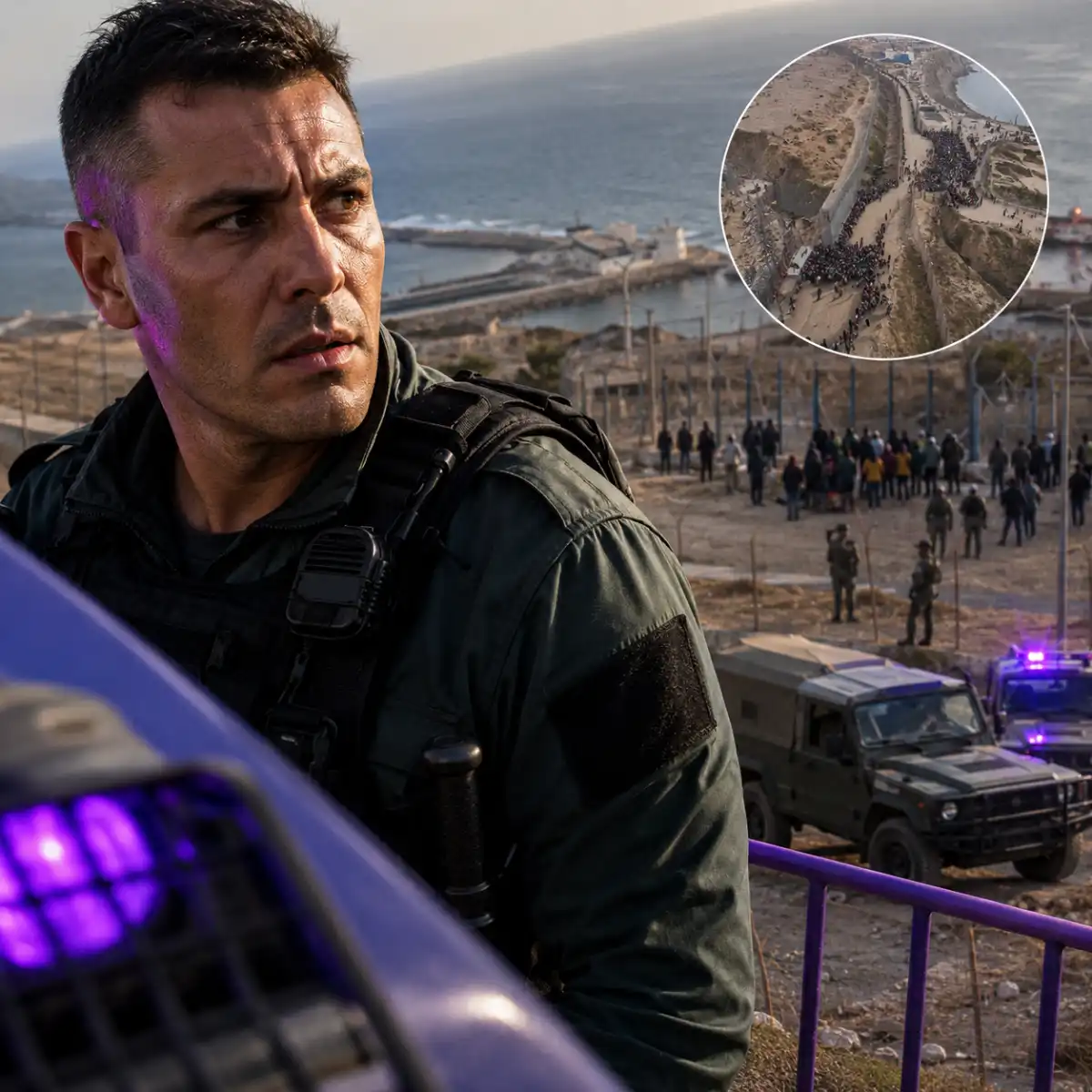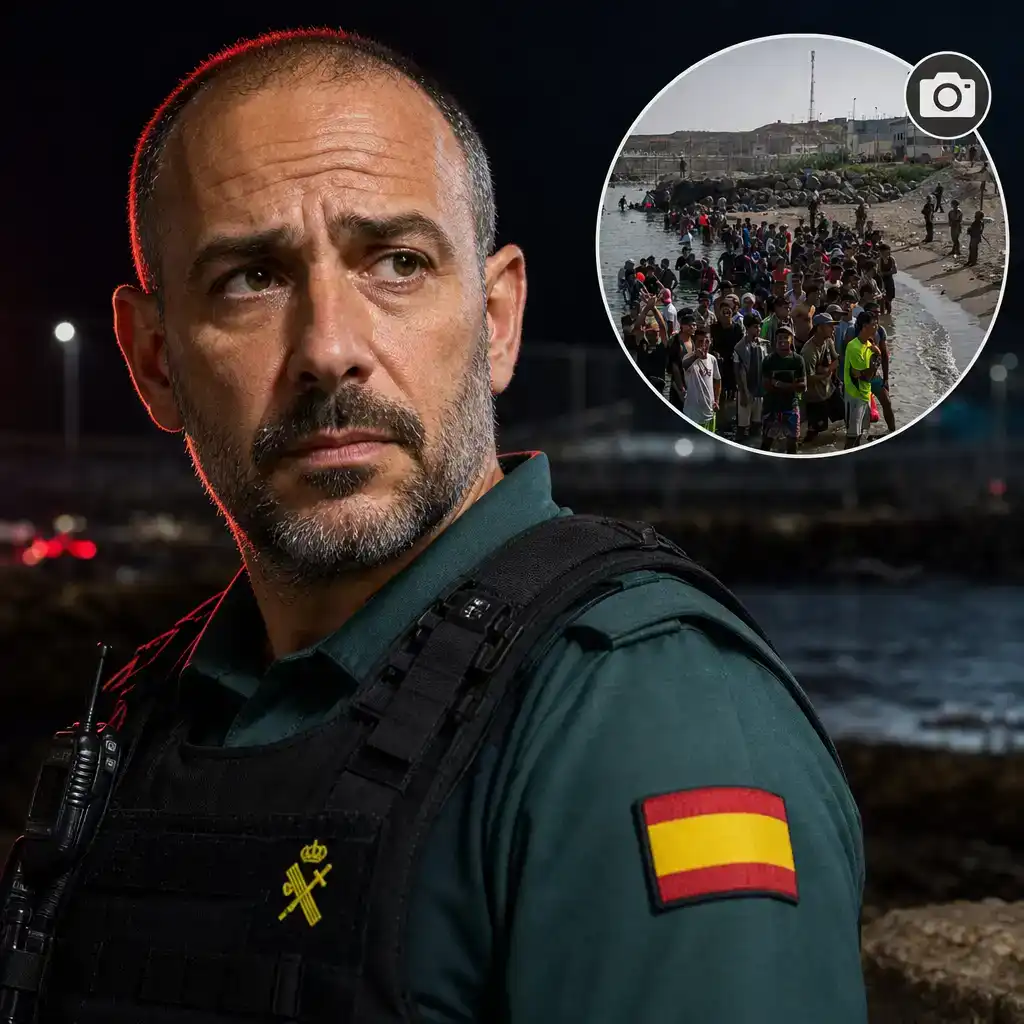
Spain says the Ceuta migrant surge has largely receded, with almost all of the estimated 50,000 to 60,000 people who entered the North African enclave returning to Morocco. But accounts from returnees raise questions about how voluntary those departures were, while the confirmed death toll has reached at least 67.
The scale was extraordinary. Ceuta has roughly 85,000 residents, meaning the number of arrivals over two days was equivalent to about 70% of the city’s usual population.
How many people crossed into Ceuta?
Spain’s Interior Ministry said about 50,000 people had crossed since Thursday morning. By 6pm on Friday, it estimated that 48,300 had gone back to Morocco.
Juan Jesús Vivas, president of Ceuta’s local government, placed the number of arrivals as high as 60,000. Most were Moroccan, according to reporting by The Associated Press.
“Virtually all those who entered Ceuta have now returned to Morocco,” Foreign Minister José Manuel Albares wrote on X on Friday night.
Spanish officials said Saturday that at least 67 people had died while attempting to enter the enclave. Some drowned, while others were crushed as crowds tried to climb the breakwater supporting the border fence. Officials warned that there could be further casualties on the Moroccan side.
The influx was far larger than the May 2021 Ceuta crisis, when more than 8,000 people entered over two days. It also followed a sharp local increase in irregular migration. Spain’s National Security Department recorded 2,281 irregular arrivals in Ceuta through May 31, up 224% from the same period a year earlier, even as arrivals across Spain fell by 35%.
Were the returns entirely voluntary?
Spain has described the large-scale departures as voluntary, but testimony from people returning to Morocco complicates that account.
Several told The Associated Press that hunger, injuries, a lack of shelter and degrading treatment had contributed to their decision to leave. Salah Eddine El Arrage alleged that Spanish police beat him. The allegation has not been independently established in the reporting provided.
Ouail Lamzeiz said, “I decided to come back on my own,” while also saying he had not eaten for days. Mohamed Hatri, 23, alleged that access to food was being restricted to pressure migrants into leaving. He said he intended to remain in Ceuta.
A young man from Tangier gave Reuters a similarly bleak explanation for turning back.
“Honestly, I don’t even know why I came, and now I’m going back,” he said. “I haven’t eaten since lunch yesterday, even though I brought some money with me.”
These accounts do not by themselves settle whether Spanish authorities systematically coerced departures. They do, however, show that the official label “voluntary” covers decisions made under severe physical and material pressure.
How did Spain and Morocco respond at the border?
Prime Minister Pedro Sánchez travelled to Ceuta on Friday and called the mass crossing “a violation of Spain’s territorial sovereignty.” Spain then began installing a 500-metre containment barrier along the enclave’s sea border.
Many people try to reach Ceuta by swimming from the Moroccan town of Fnideq, a journey of about five kilometres. Others leave from Belyounech, where the distance is shorter. Even after the main crossing appeared blocked on Friday, groups continued moving along the coast in search of routes around the fence.
Moroccan gendarmes initially stood aside as thousands passed, according to The Associated Press. Later, Moroccan forces in riot gear used tear gas, batons and water cannon to disperse crowds near the border fences and push people back.
Spanish Interior Minister Fernando Grande-Marlaska continued to describe Morocco as a “reliable partner.” He said cooperation between the two countries had allowed Spain “to revert the situation in 24 hours.”
That sequence has prompted questions about whether Morocco’s initial inaction was an enforcement failure or a deliberate political signal. Morocco does not recognise Spanish sovereignty over Ceuta. There is not enough evidence in the available reporting to establish that officials intentionally allowed the crossings as leverage.
What does the crisis mean for Schengen?
The surge produced an immediate political response across the European Union, though some of the rhetoric moved faster than the practical consequences.
European Commission President Ursula von der Leyen called the images from Ceuta “unacceptable.” Leaders from 22 EU countries requested an emergency videoconference of interior ministers, while Sánchez also sought an EU meeting.
French Interior Minister Laurent Nuñez said France would tighten controls at its border with Spain. Italy went further, reimposing checks on travellers arriving from Spain by air and sea. Prime Minister Giorgia Meloni also threatened to suspend Italy’s open-border Schengen arrangements with Spain, although the countries do not share a land border.
Sánchez rejected proposals to exclude Spain from the Schengen area, describing them as driven by “prejudice, fake news, ignorance, or political interest.” Albares said the integrity of the passport-free travel zone was “absolutely guaranteed.”
There is an important procedural detail beneath the political alarm. EU Migration Commissioner Magnus Brunner said no migrant had reached mainland EU territory. Ceuta and Melilla, Spain’s other autonomous city in North Africa, already operate special travel checks for movement into the wider Schengen area. Entering Ceuta therefore does not provide unrestricted access to mainland Spain or the rest of the zone.
What may have triggered the mass crossing?
Ceuta authorities linked the sudden movement to a Spanish Supreme Court ruling issued earlier in the month. The ruling prevented authorities from immediately returning migrants who arrive by sea. It does not apply to people entering by land, including those climbing the border fence.
Sánchez said criminal networks had spread rumours about the decision, encouraging people to attempt the journey. Activists in Morocco disputed that explanation, arguing that most migrants were unlikely to know the details of a Spanish court ruling.
No single cause has been conclusively established. The legal decision, rumours about its effect, Morocco’s initial border posture and the rapid movement of large crowds may all have contributed. What is clear is that the practical window closed quickly.
“I was late,” said Brahim, a 32-year-old who travelled from Tangier hoping to cross through a gate, only to find it effectively shut.
For Spain and the EU, the immediate flow may have been contained. The deaths, allegations of mistreatment and unresolved questions over border cooperation remain. A barrier can regulate access to a crossing. It cannot, by itself, resolve the policies and political pressures that brought tens of thousands of people there.