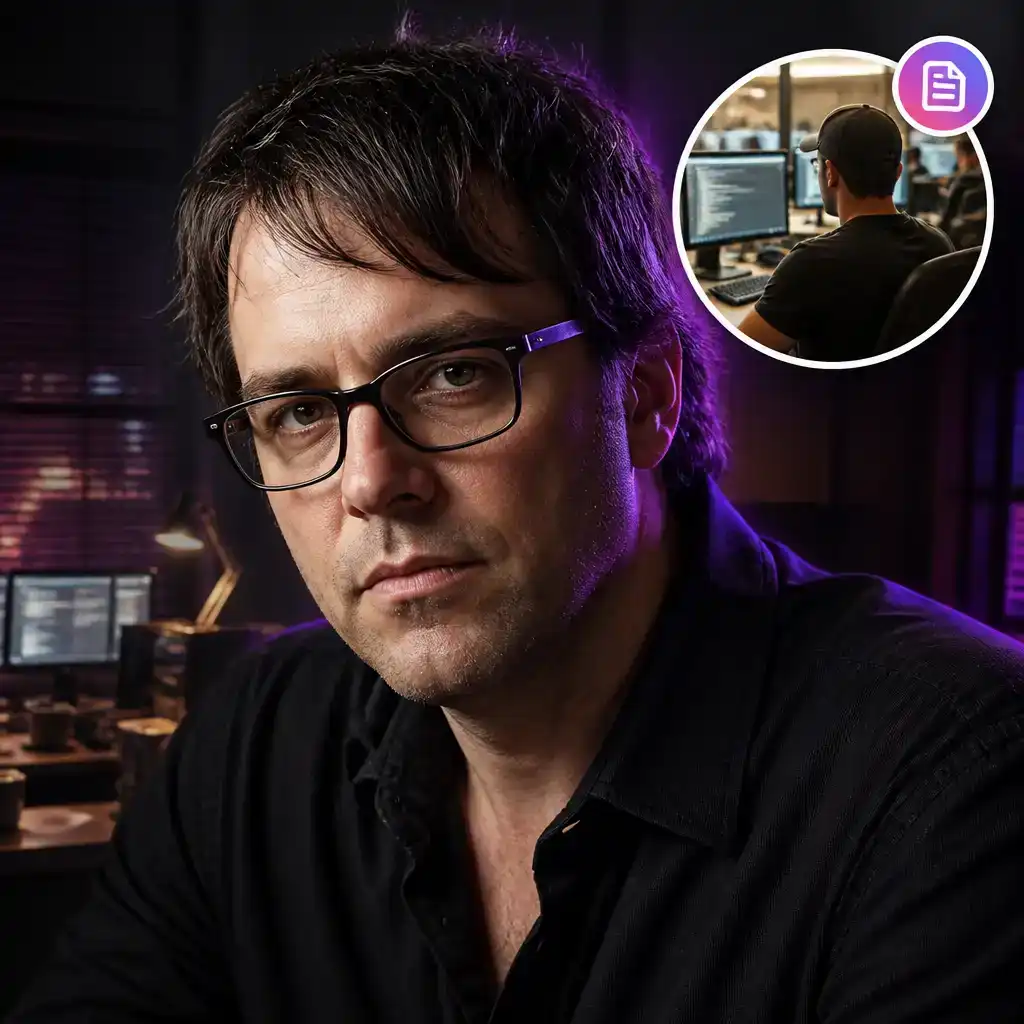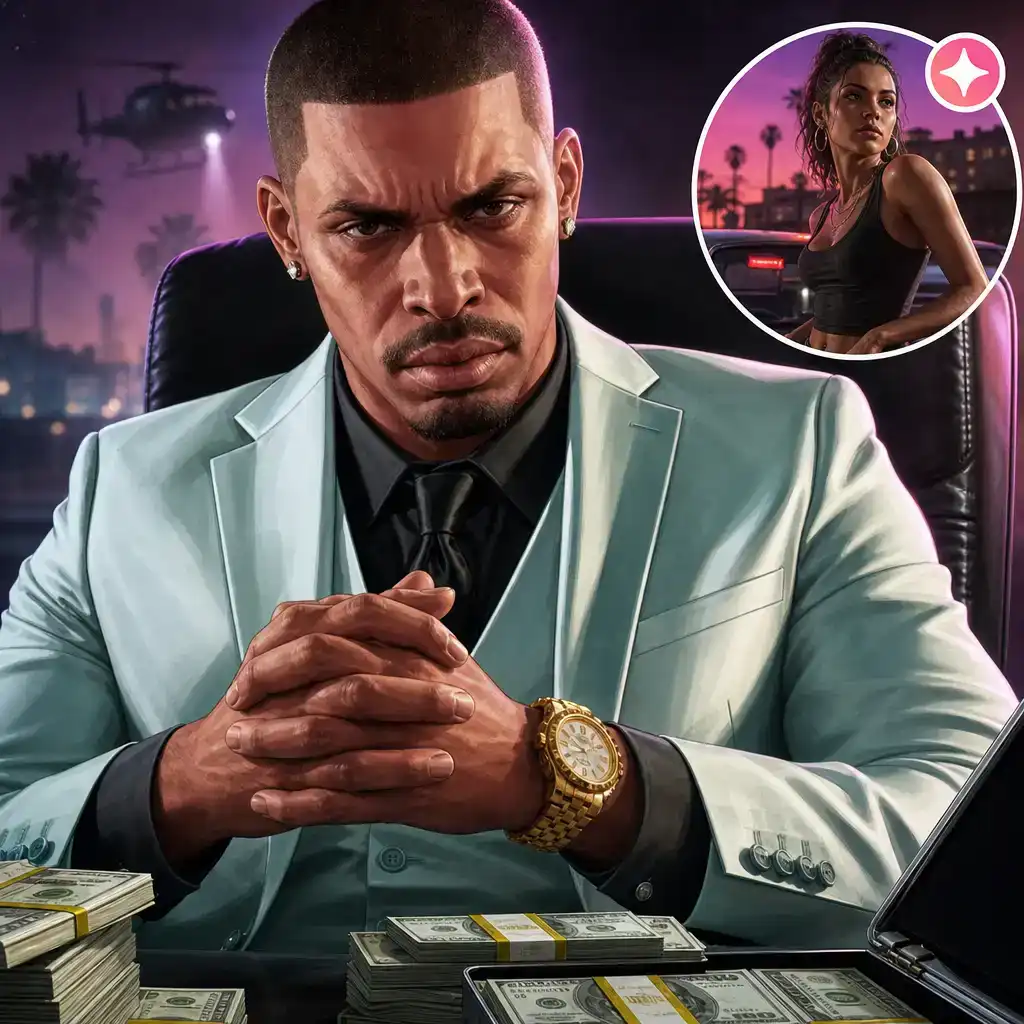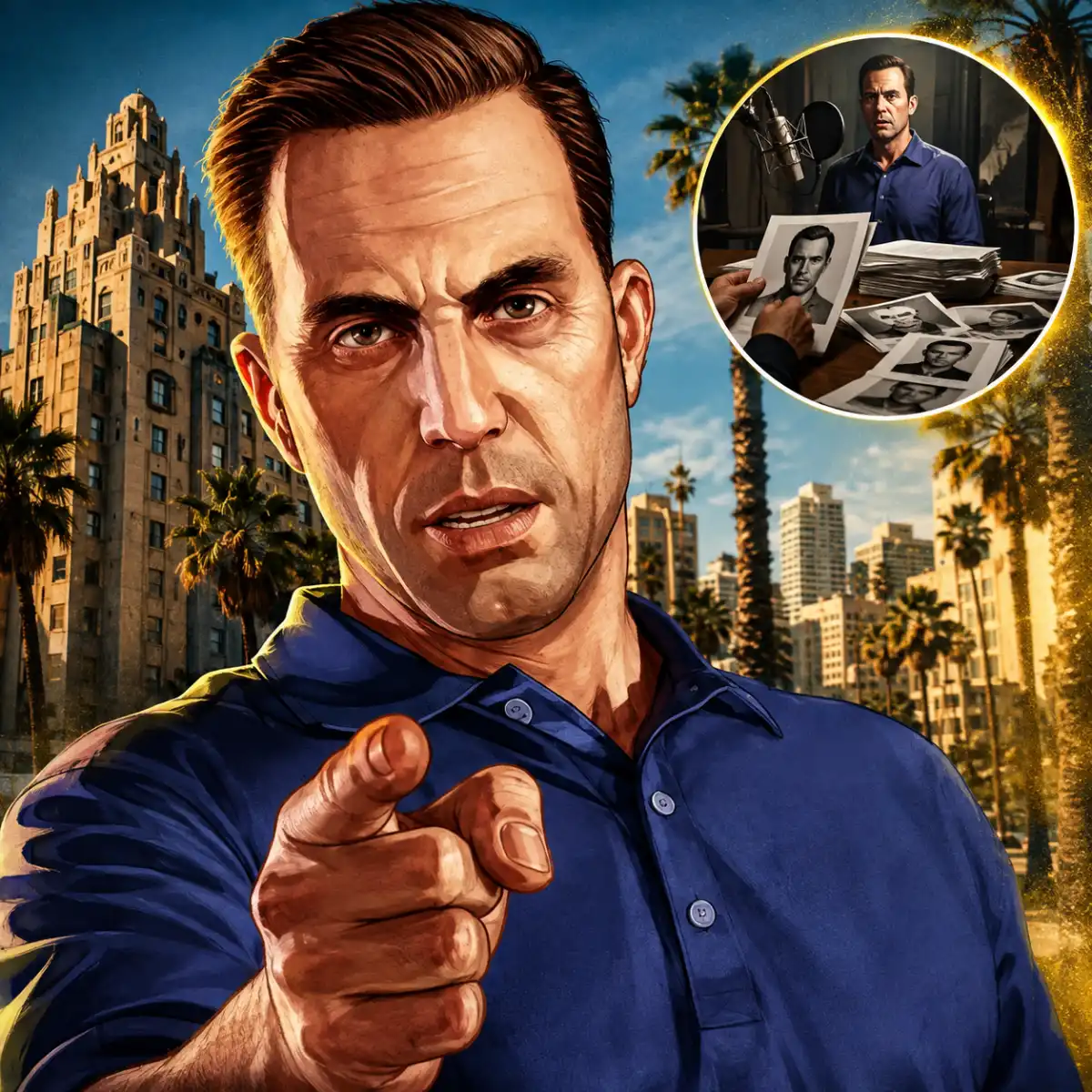
Robert Bogue wanted another chance to work with Rockstar Games badly enough to pursue more than 60 GTA 6 roles. The actor, already known for playing three characters across the studio’s games, says none of those auditions led to a part or even a direct rejection.
That silence appears to be the real source of his frustration. It also raises a broader question about how much communication performers can expect while seeking work on one of the most secretive productions in entertainment.
What Robert Bogue said about his GTA 6 auditions
Bogue discussed the auditions in Instagram messages sent to an X user named Burak, who later shared them publicly. The exchange has not been independently verified, and neither Rockstar Games nor parent company Take-Two Interactive had responded as of August 6.
“I’m a little bit down on Rockstar right now,” Bogue said. “I had such a great time working with them.”
He said he had auditioned for more than 60 characters, ranging from major parts to minor appearances. The size of the role apparently did not matter to him. He simply wanted to return.
“I didn’t get any of them, and they never called me about any of them,” Bogue said. “I was so disappointed.”
He wondered whether Rockstar had an unofficial policy against reusing actors, asking how he could be rejected so many times without securing even a small role. Bogue compared the experience to being dumped by someone he loved, which is unusually personal language for an audition process but makes the emotional point clearly enough.
After the messages circulated, Bogue issued a follow-up through Burak. He apologized for publicly criticizing Rockstar while standing by his account.
“At the end of the day, the actor’s life is about rejection,” he said. “It’s just, sometimes you need a victory once in a while.”
Rockstar has reused Bogue before
The idea that Rockstar simply refuses to hire the same performer twice does not fit Bogue’s own career. He has already played three distinct characters for the company:
- Red Harlow in Red Dead Revolver
- Troy in Grand Theft Auto: The Ballad of Gay Tony
- Federal Investigation Bureau agent Steve Haines in Grand Theft Auto V
That history helps explain why the lack of feedback felt especially sharp. Bogue was not an unknown actor sending material into a general casting inbox. He had an established relationship with Rockstar and said he enjoyed his earlier work there.
Still, previous employment does not guarantee a suitable role. Rockstar may have decided his voice was too recognizable, preferred other performers or simply found that he did not fit any of the available characters. No confirmed explanation has been provided.
There is also an important distinction between being ignored and being passed over. Some online commenters argued that receiving or pursuing dozens of auditions suggests Bogue was repeatedly considered, even if nobody formally closed the process with him. That is reader interpretation rather than verified reporting, but it highlights the ambiguity. The complaint is not that Rockstar never let him try. It is that the company apparently never gave him a clear answer afterward.
Why familiar voices can become a casting problem
Ned Luke offers a useful comparison. Luke, who played Michael De Santa in GTA V, also recorded work for Red Dead Redemption 2. He later said Rockstar removed his spoken lines because his voice could distract players, although his performance-capture work remained in the game.
For a studio building detailed fictional worlds, familiarity can be both an asset and a problem. A trusted performer already understands the process, but a voice strongly associated with an earlier lead or villain may pull audiences out of a new story. Bogue’s Steve Haines was hardly discreet. The corrupt and abrasive government agent played a major role in GTA V, and players can kill him during one of the game’s endings, widely regarded as the canonical outcome.
Bogue also said he knows nothing about GTA VI beyond information already available to the public. Rockstar currently lists the game for November 19, 2026. It follows protagonists Jason and Lucia in Leonida, the studio’s fictional version of Florida.
There is no evidence that Bogue has joined the cast, and no later statement has emerged beyond his apology. So, barring a carefully hidden surprise, Steve Haines does not appear likely to return. Given his possible death and memorable voice, this is not exactly the most complicated casting mystery Rockstar has created.
The dispute reflects an older issue for game actors
Bogue’s comments concern audition feedback rather than pay, but they sit within a longer history of performers questioning their treatment in the Grand Theft Auto series.
Michael Hollick, the voice of Niko Bellic in Grand Theft Auto IV, said he received about $100,000 for roughly 15 months of work. After the game became a major commercial success in 2008, Hollick expressed frustration that he received no residual payments. His dispute with Rockstar has long been viewed as a possible reason Niko did not appear in GTA V, even as supporting characters including Packie McReary, Karen Daniels and Brucie Kibbutz returned.
Ray Liotta, who voiced Tommy Vercetti in Grand Theft Auto: Vice City, also said the compensation was low compared with what he earned for film work.
Relationships with later performers have appeared warmer. Roger Clark, Ned Luke and Shawn Fonteno have spoken positively about their experiences. Fonteno, who plays Franklin Clinton, has said Rockstar treated him well despite his lack of residuals. He and Luke later received additional work by reprising their characters in GTA Online updates.
Take-Two CEO Strauss Zelnick has separately rejected speculation that generative artificial intelligence is reducing acting opportunities on GTA VI. He said the technology had “zero part” in the game and described Rockstar’s production as handcrafted.
That leaves Bogue’s experience as a more familiar entertainment-industry problem: a performer can have years of history with a company, submit dozens of auditions and still receive no useful explanation. For audiences, casting ends with the names in the credits. For actors, the unanswered messages can be the more lasting part.