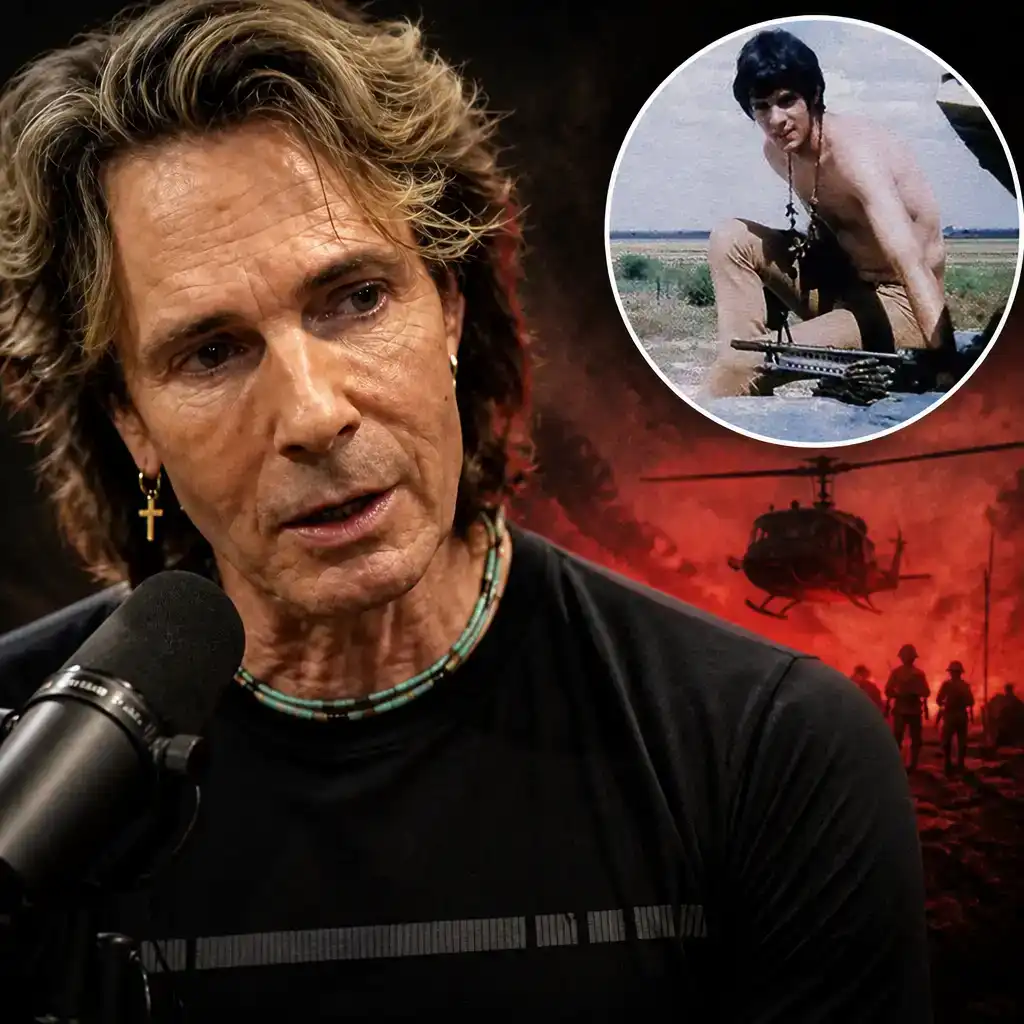
“I thought, ‘Oh, great. We’ll make money, you know.’ And, of course, we didn’t make any money,” Springfield said. The band spent its earnings at the post exchange, commonly known as the PX, while receiving little pay in the first place.
The tour stopped being merely unusual when the musicians befriended a group of servicemen and stayed overnight at their position. An attack followed, sending people into perimeter bunkers while Springfield remained in the radio shack.
How did the performance tour turn into combat?
During the assault, Springfield said he began dropping mortar rounds into a tube at the radio shack. He described the situation as “freaky” and acknowledged that allowing a civilian entertainer to take part would be unthinkable now.
“We met these guys, and we really got along well, and we stayed overnight with them,” he recalled. “We all got in the bunkers, in the perimeter bunkers, and I stayed in the radio shack, and we got attacked.”
A message came over the radio warning of movement nearby. Springfield said the soldiers received confirmation that no friendly forces were in that area. Someone then asked whether he wanted to fire mortars.
To his younger self, the scene felt “like the movies.” He compared his state of mind to playing John Wayne, treating the moment through the simplified logic of war films rather than understanding what the weapon could do to a real person.
“They said, ‘Hey, you want to throw some mortars down the tube?’” Springfield said. “As a young kid, I didn’t really understand what I was doing.”
That distance from reality did not last long.
What did Springfield learn after the attack?
The following day, Springfield said soldiers told him one of the mortar rounds had struck and killed someone.
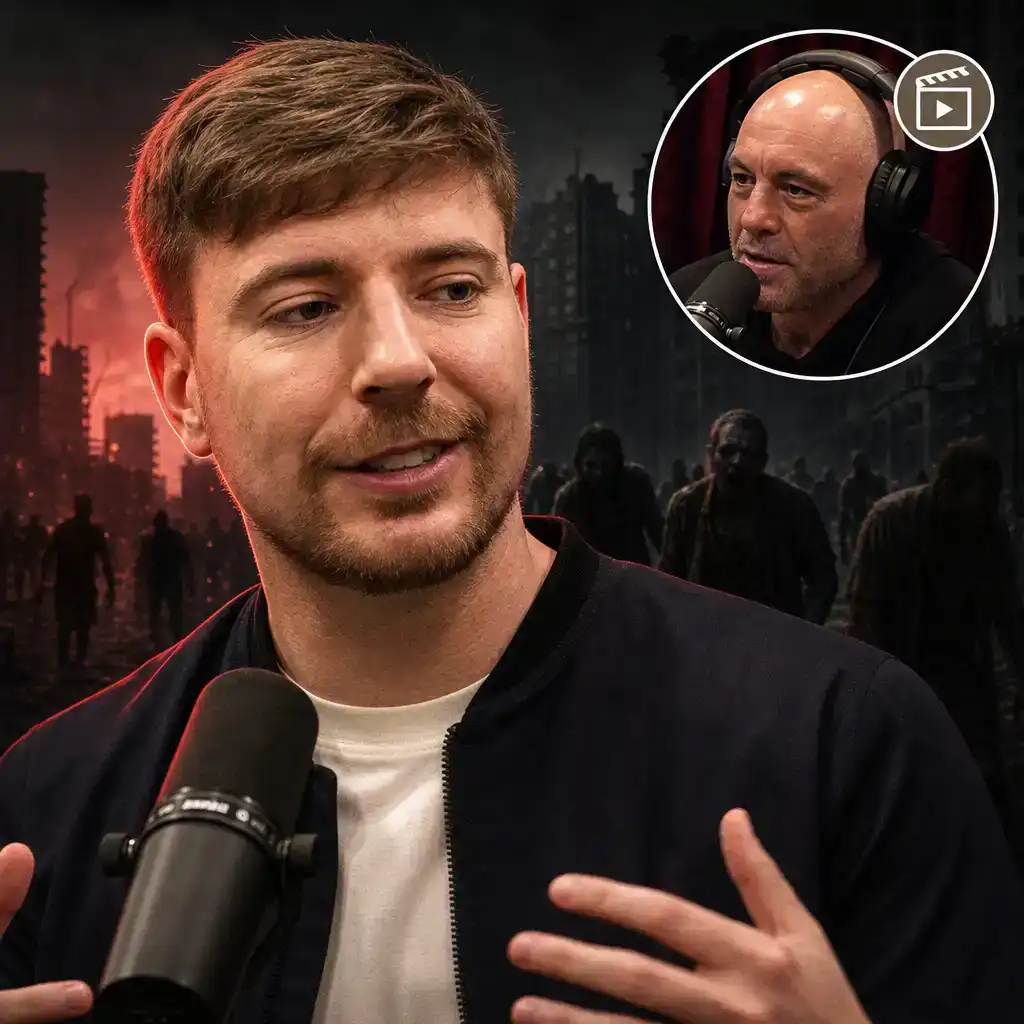
“The hardest thing for me was that I had thrown a mortar down, and it had hit somebody, and they came in the next day and said, ‘Hey, you got one. You got one,’” he told Rogan.
Springfield did not identify the person who died or provide further details about the location or military unit involved. His account focused instead on the psychological weight of being told that his action had ended a life.
“That still has a hard place to land in me,” he said. “That’s really kind of the one thing I brought back with me that I couldn’t really find a place for.”
The singer said youth, distance and the conditions of war had shaped his actions. None of those factors, however, erased his sense of responsibility once he understood the outcome.
Why does the incident still trouble him?
Springfield said the memory remains unresolved despite the decades that have passed. He struggled to reconcile the circumstances, including his age and lack of military understanding, with the basic fact that a person died because of a mortar he fired.
“I think it’s still there, you know?” he said. “It’s hard for me to kind of face that I was responsible for the end of a life, even though it’s distant, and it’s war.”
He added that he “didn’t really know” what he was doing and had approached the episode like a child imitating a film hero. With age came a far less cinematic assessment.
“It was pretty heavy when I think about the reality of it,” Springfield said.
His account turns an improbable footnote from his early music career into something much darker: a performance tour, a radio warning, one invitation to fire and a consequence that followed him home.