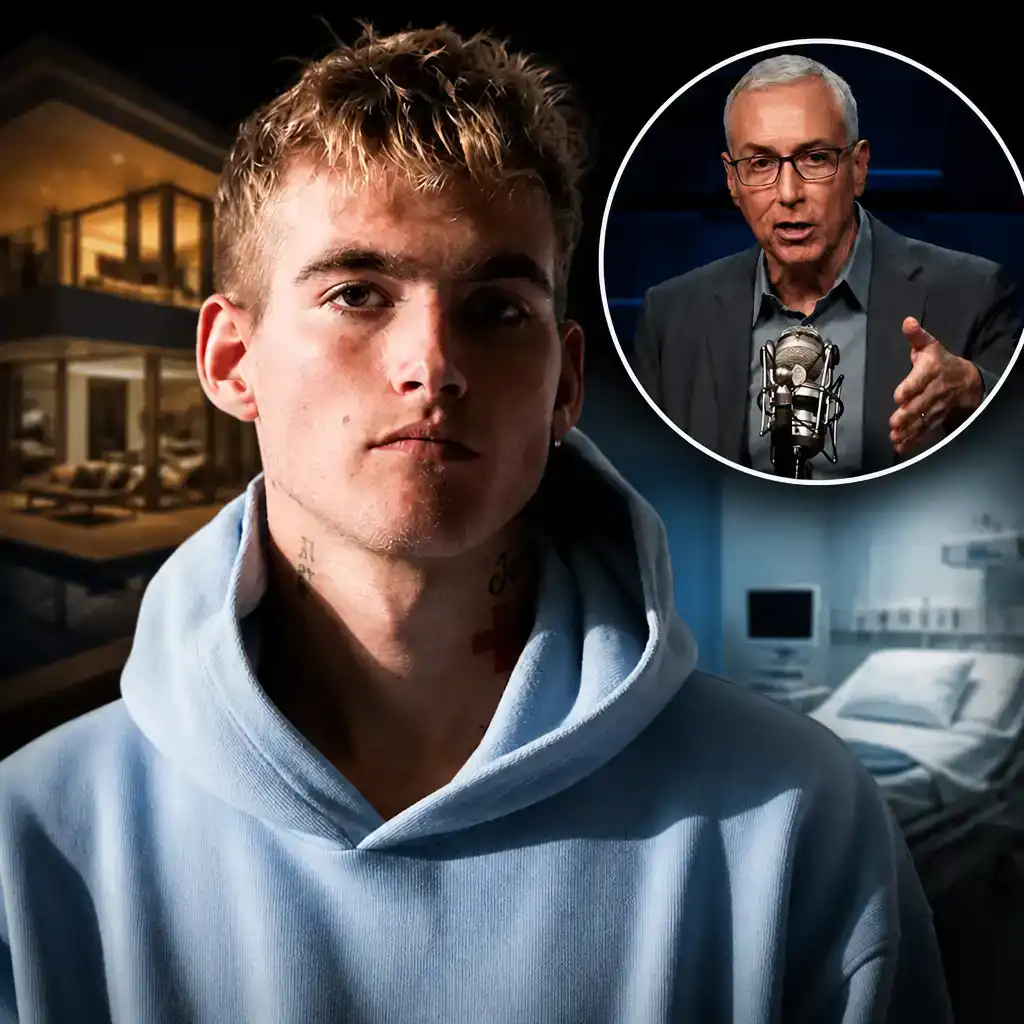
Presley Gerber’s death has led Dr. Drew Pinsky to question whether the model received the right level of care. Speaking on The TMZ Podcast, the addiction medicine specialist said Gerber should have been treated in a psychiatric hospital rather than a rehabilitation facility.
Pinsky argued that a hospital could have provided closer medical supervision, particularly because Gerber had reportedly been taking several medications. In his view, the 26-year-old was being asked to manage a situation that required more intensive oversight.
Why did Dr. Drew recommend psychiatric care?
Gerber, the son of supermodel Cindy Crawford and businessman Rande Gerber, reportedly discussed taking Suboxone and benzodiazepines in a since-deleted Instagram video from 2025.
Suboxone is commonly prescribed to treat opioid dependence. Benzodiazepines, often called benzos, are sedatives used for conditions including anxiety and insomnia. Pinsky described taking the two together as a “deadly combination” because both can suppress the central nervous system and increase the risk of serious complications.
His comments reflected his medical opinion about Gerber’s reported treatment and medication use. The report did not provide an official cause of death or establish that the drug combination caused it.
Pinsky said the broader care system was also at fault. Even families with extensive financial resources can struggle to identify the appropriate treatment, he argued, which is not exactly a reassuring endorsement of the system.
What did he say about luxury rehab facilities?
Pinsky sharply criticized high-end rehabilitation centers, accusing some of spending more on attractive surroundings than on clinical care. Expensive accommodation may look impressive in a brochure, but he said it cannot replace psychiatric monitoring, medication management and properly trained staff.
The physician suggested that Gerber’s reported circumstances required a medical environment equipped to oversee both mental health concerns and substance use. His central argument was that comfort and treatment intensity are not the same thing, regardless of the bill.
Pinsky also discussed the particular pressures celebrities can face during addiction treatment. He cited actor Hayden Panettiere as another example, saying fame can add shame and trauma that make recovery more difficult.
According to Pinsky, better care requires clinicians to address those underlying problems while closely supervising medication and substance-use treatment. His criticism was ultimately aimed beyond one facility or family: wealth can purchase privacy and polished surroundings, but it does not automatically secure appropriate medical care.