Nicolas Cage has poured cold water on rumours that National Treasure 3 is officially happening, but the actor has already identified one storyline that could persuade him to return as treasure hunter Benjamin Franklin Gates: a mission involving the Jeffrey Epstein files.
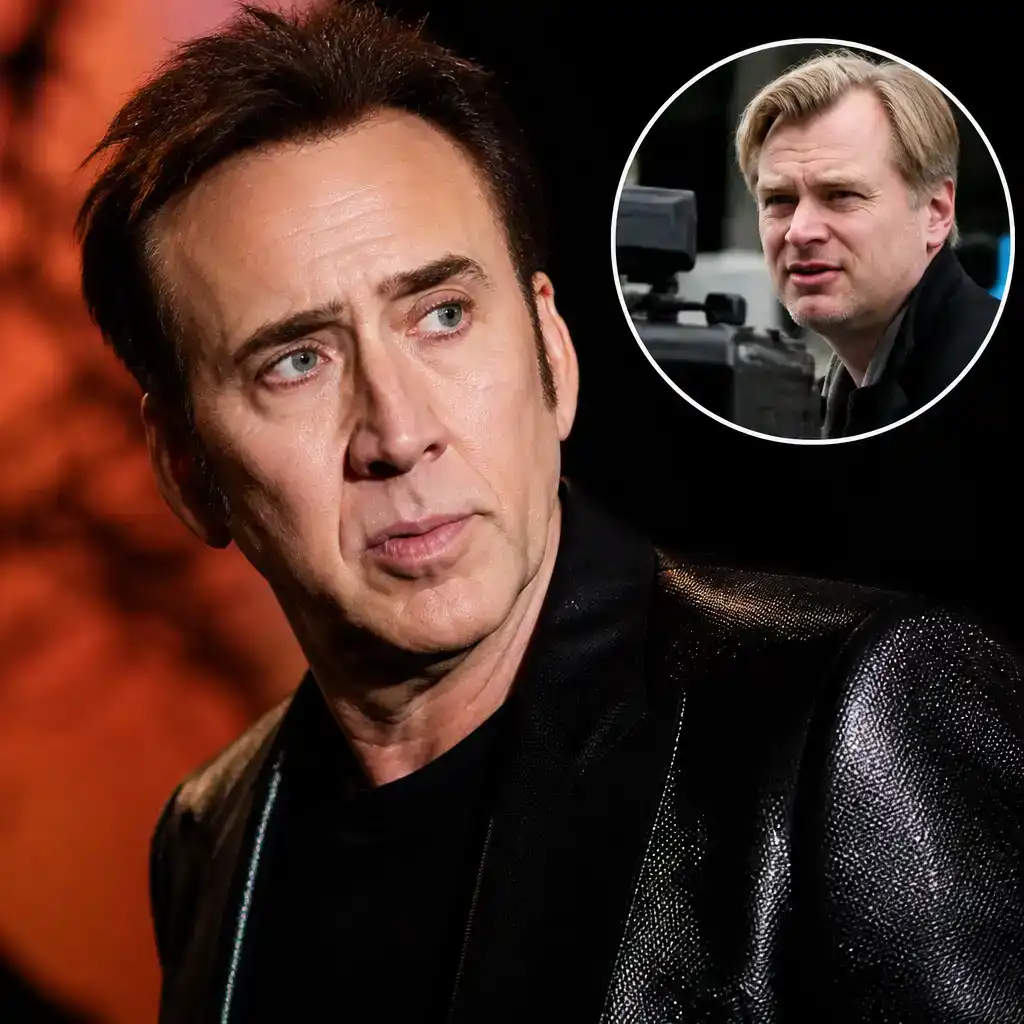
Speaking at New York Comic Con, Cage addressed comments made by director Jon Turteltaub suggesting that a third instalment of Disney's adventure franchise was moving forward with its original star attached.
According to Cage, however, nobody had secured his participation. And while he appeared amused by the director's enthusiasm, he made it clear that an announcement and an agreement are two very different things.
Nicolas Cage calls out director over National Treasure 3 rumours
The confusion appears to have started when Turteltaub publicly discussed the possibility of bringing the franchise back, apparently speaking with considerably more confidence than Cage believed was justified.
Cage recalled the situation with characteristic humour during his appearance at New York Comic Con.
"Jonathan Turteltaub, he gets a microphone in his hand and he goes to Philadelphia and says, 'We're doing National Treasure 3, and Nic's coming,'" Cage laughed. "I'm like, 'No, I didn't sign up for that. You got to get these microphones out of these directors' hands.'"
The remarks suggest that Cage has not committed to reprising his role, despite the director's apparent confidence about the project's future.
Importantly, the actor did not categorically reject the possibility of another film. His comments instead highlighted the difference between a director expressing enthusiasm for a sequel and an actor formally agreeing to participate.
For fans hoping to see Benjamin Gates return, that distinction matters. Cage's involvement remains an open question, at least based on what he said at the convention.
Cage has a surprising idea for Benjamin Gates' next adventure
While correcting the record about his involvement, Cage offered an unexpected suggestion for what might convince him to return to the franchise.
Rather than another hunt for historical treasure or a mystery involving America's founding documents, the actor proposed sending Gates after one of the most controversial collections of records in contemporary American public life.
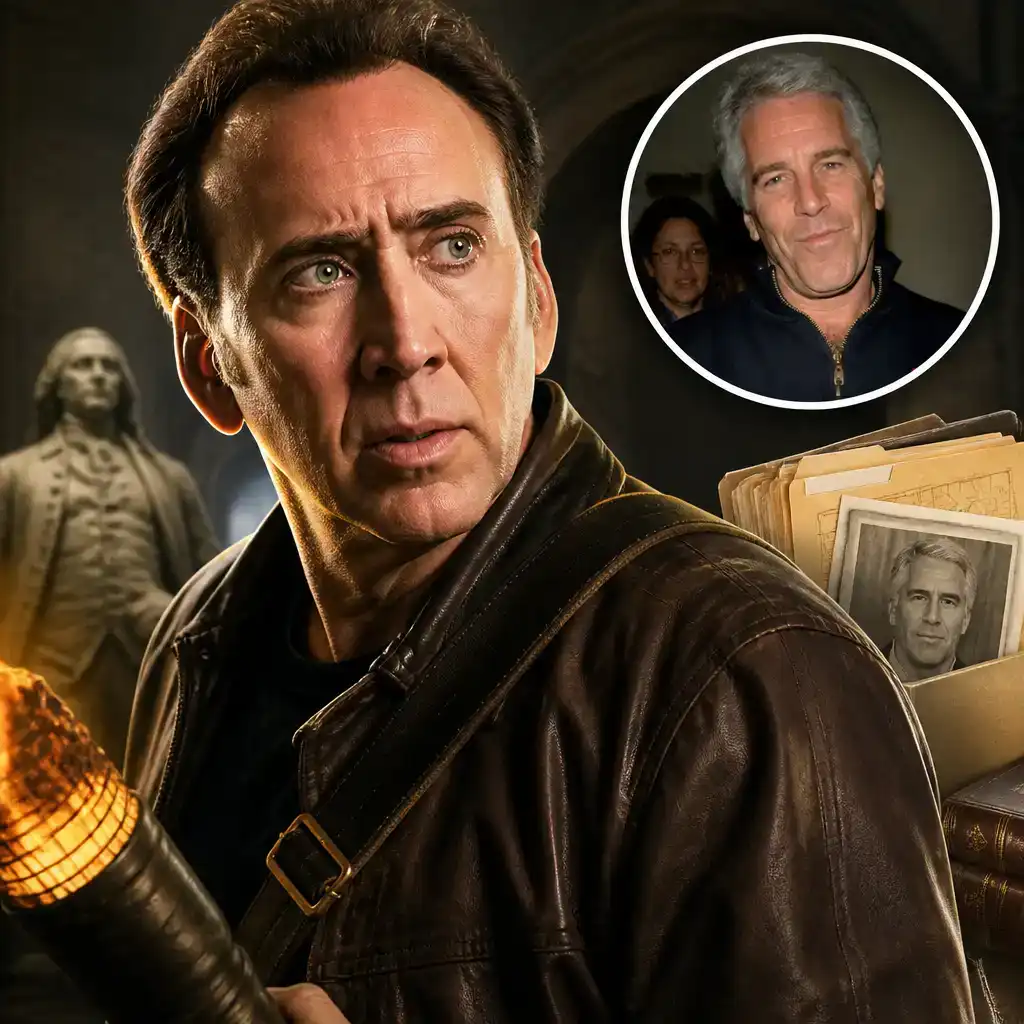
"Ben Gates is going after the Epstein files. That would be relevant. I'll make that movie."
The reference was to records associated with Jeffrey Epstein, the late financier and convicted sex offender whose connections to influential figures have attracted extensive public scrutiny.
Those records have become the subject of considerable political and public interest, particularly surrounding questions about transparency, accountability and what information should be made available.
Cage's suggestion would take National Treasure into territory considerably more contemporary than the historical mysteries traditionally associated with the series.
It was also a striking way to make his point. The actor might not have agreed to another National Treasure film, but he clearly had no difficulty imagining a premise provocative enough to catch his attention.
Why an Epstein files storyline would change National Treasure
The appeal of the original National Treasure concept lies in its combination of historical puzzles, secret documents, elaborate conspiracies and high-stakes adventure.
Benjamin Gates is a character whose adventures revolve around uncovering information hidden from public view. That makes Cage's proposed storyline an interesting, if potentially controversial, extension of the franchise's central premise.
However, a fictional adventure involving the Epstein files would present challenges that a conventional treasure hunt does not.
The real-world subject involves serious crimes, victims and unresolved public questions. Any film drawing directly from that material would need to distinguish entertainment from factual allegations, particularly where identifiable individuals are concerned.
There is also no indication in Cage's comments that Disney has considered such a storyline, commissioned a script based on it or discussed the idea with the actor.
For now, it is a proposal made during a convention appearance, not an announced creative direction.
In my view, Cage's suggestion is interesting because it identifies something a third National Treasure film would need to justify its existence: a mystery that feels relevant to modern audiences. The Epstein files would be a difficult subject to turn into a mainstream adventure without trivialising the underlying crimes, but the broader idea of Gates investigating contemporary secrets could give the franchise a fresh direction. That seems more compelling than reviving the character simply because audiences recognise him.
Is National Treasure 3 actually happening?
Despite Turteltaub's reported enthusiasm, Cage's comments leave the status of National Treasure 3 less certain than some fans might have hoped.
The actor has explicitly challenged the suggestion that he is already attached to the project. His remarks do not establish whether development is continuing independently of his involvement or how far any plans have progressed.
They do, however, suggest that Cage is willing to entertain the idea of returning under the right creative circumstances.
That distinction could be important for the franchise. Benjamin Gates is the central figure around whom the films' mysteries and adventures are constructed, making the question of Cage's participation particularly consequential.
For audiences, the immediate issue is therefore not whether Gates will pursue the Epstein files, but whether the people discussing a third film can agree on what it would actually involve.
Turteltaub appears eager to bring National Treasure back. Cage has made it clear that his signature cannot be taken for granted.
And if the actor's latest comments are any indication, winning him over might require something considerably more ambitious than another hidden map.