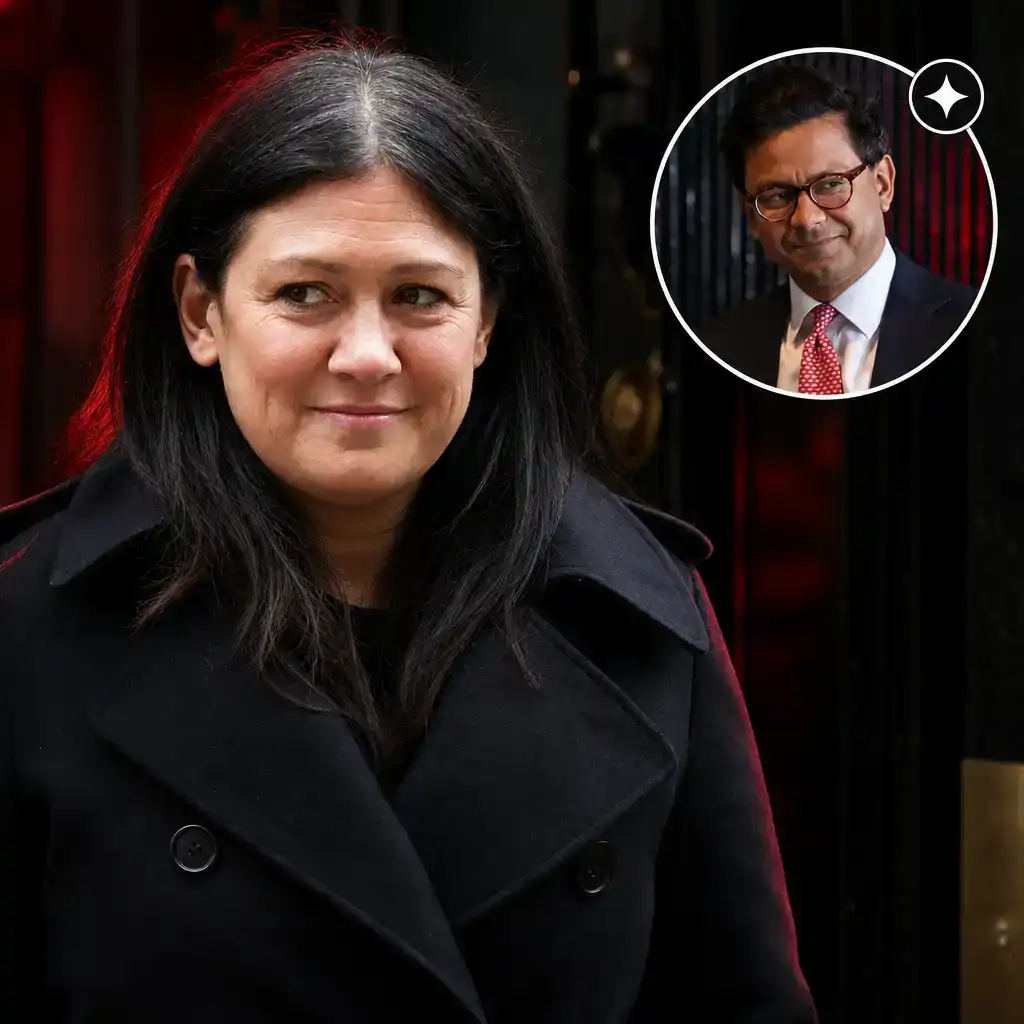
Lisa Nandy will remain U.K. Culture Secretary as new Prime Minister Andy Burnham carries out a broad cabinet reshuffle, keeping one of the government’s steadier hands in a department that has recently had all the stability of a folding chair.
Nandy has held the culture, media and sport brief since July 2024, when former Prime Minister Keir Starmer appointed her shortly after Labour won the general election. At the time, she became the 12th person to take the job in almost as many years, which says plenty about the post and not much of it soothing.
Why Lisa Nandy staying matters for culture policy
Nandy has represented Wigan in Parliament since 2010 and came into the culture department with previous frontbench experience, including roles as shadow cabinet minister for international development and shadow housing minister.
Her time in the job, now described as a two-year stint, has turned the role into one of Whitehall’s longer tenures better known for turnover than continuity. For the U.K.’s creative industries, that matters. Film, television, broadcasting and media policy often move slowly, while the problems facing them do not politely wait for a new minister to learn the acronyms.
She took office during a particularly unsettled stretch for the screen sector. The Hollywood writers’ and actors’ strikes had disrupted production pipelines, post-pandemic inflation was still biting, the advertising market had weakened, and broadcasters and streamers were cutting budgets. In other words, a cheerful welcome pack.
The BBC and major media deals remain on her desk
Nandy is currently overseeing the renewal of the BBC’s royal charter, a process that includes the delicate question of how the public broadcaster should be funded. That debate carries real weight for viewers, the wider production economy and politicians who enjoy talking about the BBC almost as much as they enjoy not solving the BBC.
She is also handling major industry consolidation questions, including the U.K. side of the Paramount and Warner Bros. Discovery merger. Nandy has previously said she was “minded to intervene,” signaling that the government may take a closer look before allowing the deal to proceed without scrutiny.
Other large media transactions remain in play. Comcast-owned Sky has recently moved to acquire public service broadcaster ITV, a deal that still needs regulatory approval. ITV Studios, the broadcaster’s production arm, is also expected to be spun off, drawing interest from potential bidders.
Kanishka Narayan becomes the first AI minister
Burnham’s reshuffle also brings a new technology-focused appointment. Kanishka Narayan has been named the first minister for AI, a role held jointly in the Cabinet Office and the Department for Business, Innovation, Science and Trade.
Narayan was previously parliamentary under-secretary of state in the Department for Science, Innovation and Technology. He entered Parliament in July 2024, when he was elected as the MP for Vale of Glamorgan.
the creation of a dedicated AI ministerial role shows how quickly artificial intelligence has moved from specialist policy discussion to mainstream government business. It now touches regulation, public services, industry strategy, jobs and, inconveniently for anyone hoping to ignore it, culture and media too.
For Burnham, the appointments change some of the machinery while keeping familiar faces in place where sensitive negotiations are already under way. For Nandy, it means the culture brief stays hers at a moment when the department’s decisions could reshape how British audiences watch, fund and understand public media for years to come.