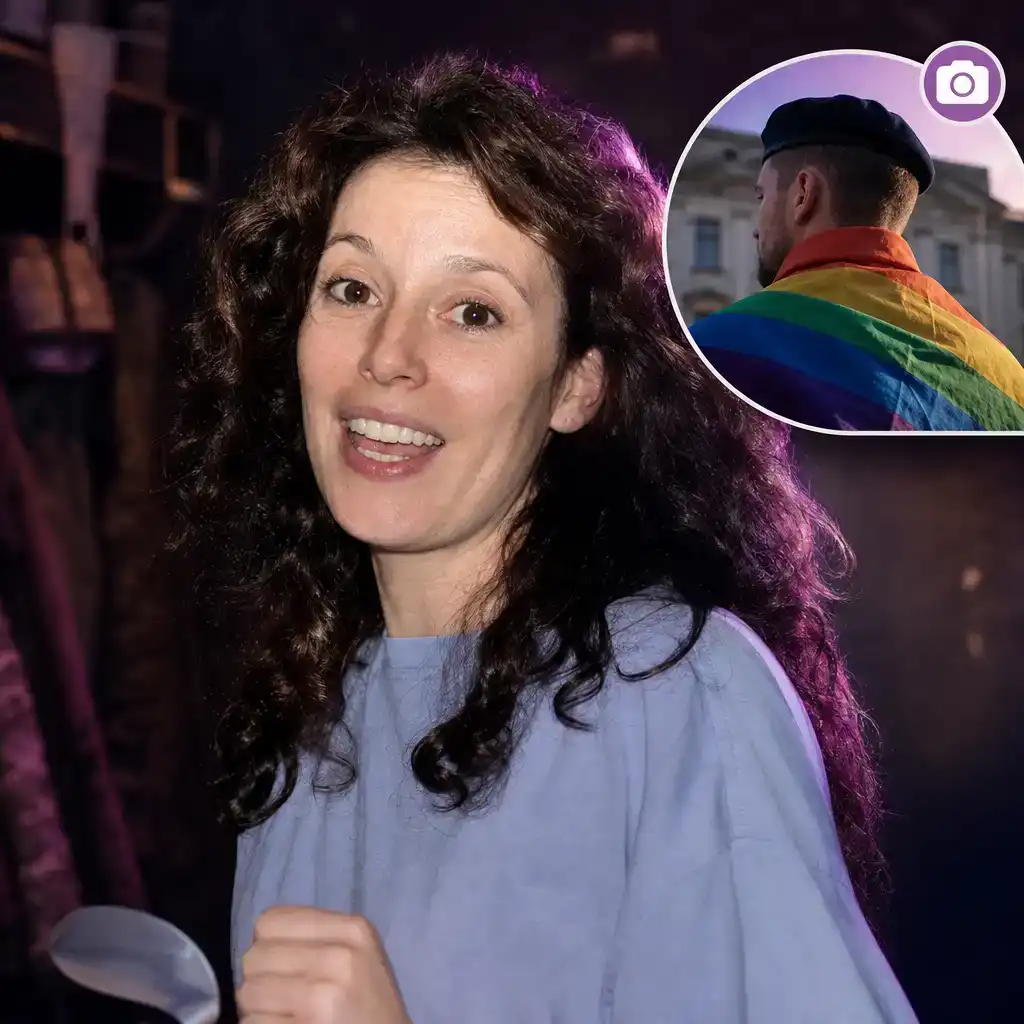
At least 1,000 LGBT veterans may miss the gay ban compensation deadline, according to the military charity that campaigned for reparations after decades of official mistreatment. Fighting With Pride says a significant group of former service personnel has still not come forward, with less than six months left to apply.
The charity estimates there are more than 1,000 “lost” veterans who may be unaware of the support, unwilling to revisit what happened, or still not open about their sexuality. The result could be grimly practical: people who were removed from the armed forces for being gay, or perceived to be gay, may miss payments worth up to £70,000, along with formal restorative measures.
The Ministry of Defence says it “deeply regrets” how LGBT veterans were treated and says it is “working hard” to publicise the schemes. The deadline itself offers no emotional cushioning.
Why the ban still matters decades later
Homosexuality began to be decriminalised in the UK in 1967, but LGBT people continued to be barred from serving openly in the armed forces until 2000.
During that period, service personnel who were gay, or suspected of being gay, could face intrusive questioning, exposure to friends and relatives, loss of careers, and dishonourable discharge. In some cases, veterans have described the consequences as lasting for decades, professionally and personally.
The LGBT Financial Recognition Scheme, launched in 2024, allows affected veterans to apply for payments ranging from £1,000 to £70,000, depending on their circumstances. More than 1,500 veterans have already applied for financial reparations through the Ministry of Defence.
But Fighting With Pride warns that those figures do not capture the people least likely to approach military or government channels. There is no official database of everyone affected by the ban, but court martial records submitted to Parliament estimated that as many as 2,800 people were discharged under it.
Karen Usher says she was isolated after seeking help
Karen Usher joined the Royal Air Force in 1990 at the age of 21. She says the pressure of hiding her sexuality contributed to a “mini-breakdown” while she was deployed in Italy.
After she confided in a padre, a military chaplain, Usher says she was reported to senior staff and admitted to hospital, where she was kept in isolation.
“They kept me segregated because of my sexuality, they didn't want me to be near anyone or even associate with anyone, they kept me separate until they could fly me home to the UK,” she said.
“My head was such a mess, I look back and can't believe what I was put through at that age.”
Usher, now 56, is among the veterans who have applied for reparations. She learned about the scheme through social media, but said she is concerned the government “hasn't tried hard enough” to reach those who are isolated or vulnerable.
“Some of the veterans, especially the older ones, were imprisoned for their sexuality,” she said. “It's disgusting they could miss out on what they're entitled to.”
How Pam Johnson found out by chance
Pam Johnson only became aware of the scheme in August 2025, after her partner happened to meet another veteran who explained what support was available and “gave her a push” to apply.
Johnson, now 74, joined the Women's Royal Army Corps in 1969, aged 17. She was stationed in Germany and worked in signals intelligence, intercepting enemy communications and tracking military movements. She said she had always wanted to follow her father into service.
“I'd grown up around it, we used to joke that if you cut my dad, he'd bleed khaki,” she said.
“In signals, we were separate from the other bases so we were so close-knit, like a little family.”
Three years into her career, Johnson says her superiors found a love letter she had written to another female soldier. She was interrogated, accused of being a spy, stripped of her security clearance, and sent back to her unit in Guildford, where she was assigned laundry duty.
She said the experience left her feeling she had no choice but to resign.
“I was horrified how they'd treated me, I was mentally in a mess, so out of desperation to run away from it all, I bought myself out of my contract.”
Johnson applied for restorative measures in August 2025 and is still waiting to hear whether her application has been accepted.
“When it happens I'll be in tears of happiness,” she said. “It will just make me feel like they've finally accepted that what they did was wrong.”
What support is available to veterans
Peter Gibson, chief executive of Fighting With Pride, says many former service personnel affected by the ban are in the position Johnson was in: unaware of the scheme, reluctant to come forward, or disconnected from the institutions that harmed them.
“We know many felt so shunned and hurt by their brutal treatment that they have distanced themselves from both the military and the LGBTQ+ communities,” he said.
Gibson said anyone contacting the charity would be treated with “complete confidentiality”.
“We're determined to restore your pride and dignity in service,” he said.
Alongside financial payments, veterans can apply for non-financial restorative measures, including:
- restoration of rank
- return of berets and medals
- an “Etherton Ribbon”, recognising those who served under the ban
A Ministry of Defence spokesperson said: “We are working hard to make sure eligible veterans know these schemes are available to them, The Ministry of Defence says it is working with local councils, the NHS and other organisations and charities to make sure eligible veterans know the schemes exist..”
The spokesperson added: “We are committed to righting these wrongs through concrete steps, including through the LGBT Financial Recognition Scheme and Non-Financial Restorative Measures for those affected.”
For Usher, the non-financial recognition has carried its own weight.
“I feel like we are finally being recognised for our service, I can finally feel proud to say I'm a veteran.”