Warning: This article discusses sexual assault.
Andy Carroll’s sexual assault disclosure prompted several well-known footballers to contact him privately and say they had experienced something similar, according to the former England striker. None has been identified, and there is no indication that they intend to speak publicly or report allegations to police.
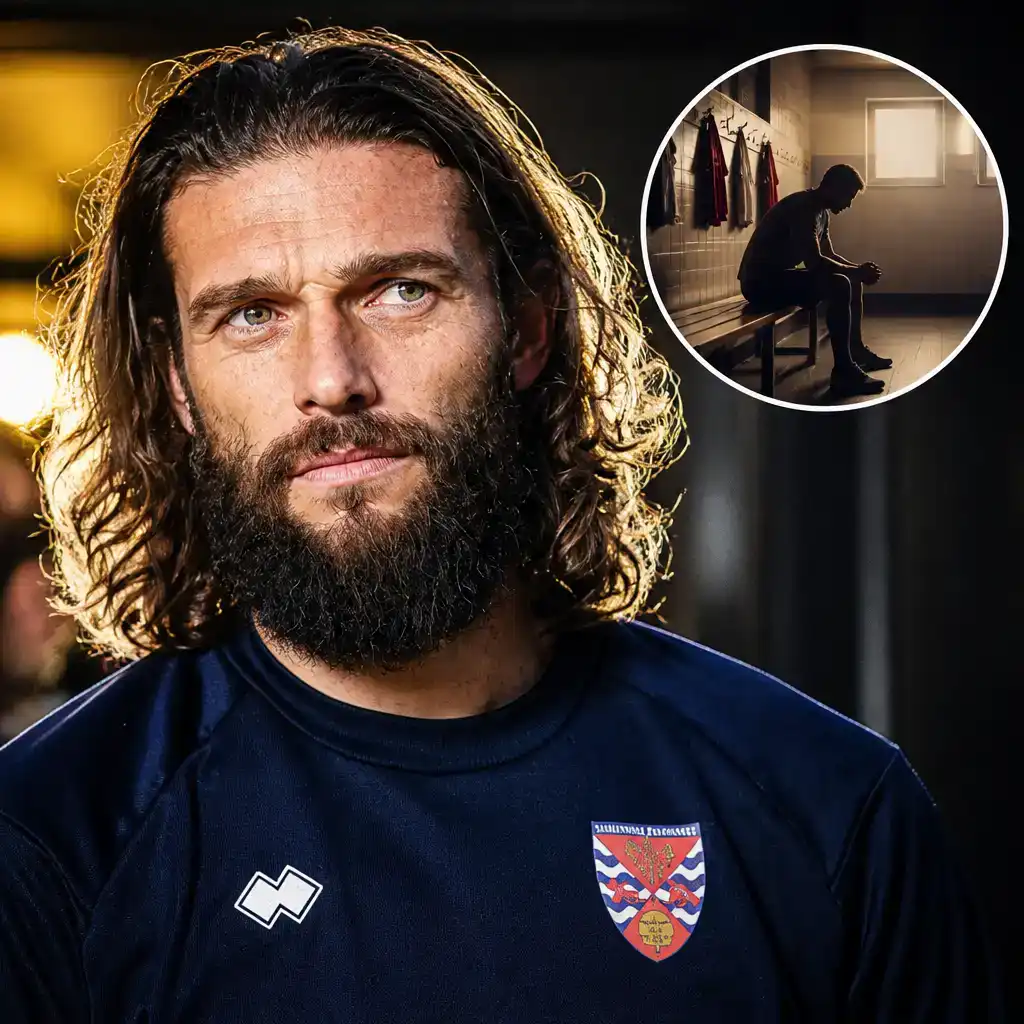
Carroll, now 37 and playing for Dagenham & Redbridge, described the messages during an interview with Piers Morgan on Uncensored. He said the players had referred to experiences involving another man and thanked him for going public.
“Well-known footballers” had called, Carroll said, adding that he received “hundreds and hundreds” of messages overall. For a sport not famous for encouraging vulnerable conversations, the private response was significant, even if it remained private.
Why Carroll decided to identify himself
Carroll first discussed the assault in his memoir, Owning It. He said a male celebrity sexually assaulted him at his home after he fell asleep. Court reporting later identified that man as Kevin Adams, a former Fame Academy dance instructor who was convicted of sexual offences.
Carroll testified at the trial and waived his lifelong legal right to anonymity as a complainant in a sexual offence case. Speaking to Morgan, he said he “panicked” when he learned Adams was about to be named publicly and did not know how to respond.
The former Liverpool, Newcastle United and West Ham United forward said the assault had affected “every facet” of his life. He described it as “humiliating and embarrassing and absolutely horrendous” and said the experience had been “eating him alive” for years.
“I’ve been beating myself up about it, and as soon as I’ve said it the support that I’ve received has been massive,” Carroll said. He added that disclosing it five years earlier might have helped him process what happened sooner.
What the private messages from players reveal
Carroll said he hoped speaking openly might help “just one person”. The calls from other footballers suggest that his experience was not as isolated as the public record might imply.
They also raise an uncomfortable question about whether football’s culture and support systems make it harder for male players to report sexual violence. Carroll did not name those who contacted him, describe their allegations in detail or say whether the incidents had been reported. Their accounts therefore remain private disclosures rather than established cases.
National figures show why that distinction matters. The Office for National Statistics estimated that 162,000 men aged 16 or over in England and Wales experienced sexual assault, including attempted offences, in the year ending March 2025.
It also estimated that 129,000 men had experienced rape, including attempts, since the age of 16. Among victims of rape or assault by penetration overall, only 14.7 percent reported the most recent incident to police. Silence, then, remains considerably more common than disclosure.
Morgan described the supportive reaction to Carroll as evidence of a “better society”. Carroll agreed that the response had reassured him, though the reporting figures suggest society may wish to postpone congratulating itself.
Reporting conflicts over the case remain unresolved
Major outlets agree on the central facts: Carroll said he was assaulted while asleep at home, gave evidence at the resulting trial and later chose to identify himself publicly. Some details in the published accounts, however, do not match.
The Guardian and ITV News dated the assault to 2021 and reported a three-year sentence. Other reports, including Goal and Crimewatch, placed the incident in 2019 and said Adams received a 20-month prison term at Chelmsford Crown Court in November 2023.
Those differences are substantial and cannot sensibly be blended into one tidy timeline. The indictment and official sentencing record would be needed to settle the date and sentence definitively. Adams has not publicly responded since being named in connection with Carroll’s account.
Crimewatch reported that Judge Mary Loram rejected Adams’ version of events at sentencing, telling him he had constructed an “incredible tale” in which he portrayed himself as the victim.
Carroll says the support changed how he feels
Carroll, who won nine England caps, said the encouragement from his partner, relatives, friends and members of the public had helped him stop blaming himself.
“I’m happy with who I am, I’m happy with how I’ve dealt with it,” he said. “I’ve got the support around me with my partner, my family and friends, and now the public.”
He did not suggest the experience could simply be left behind. “There’s certain things you can’t get over, and I’ll never, ever get over that,” he said. What had changed was his knowledge that other people understood what he had endured and were willing to support him.
Conservative MP Ben Obese-Jecty called Carroll “hugely brave” for speaking publicly. He said the case showed sexual violence could affect even a “famous, wealthy, robust 6’4” professional footballer”, as well as men and boys considered more vulnerable.
Carroll’s disclosure has not produced public allegations from the footballers who contacted him. It has, however, made one point difficult to ignore: prominent male athletes may look well protected from the outside while carrying experiences they have never felt able to report.
Anyone affected by sexual assault can contact The Survivors Trust confidentially on 08088 010 818. Its helpline operates at scheduled times throughout the week.