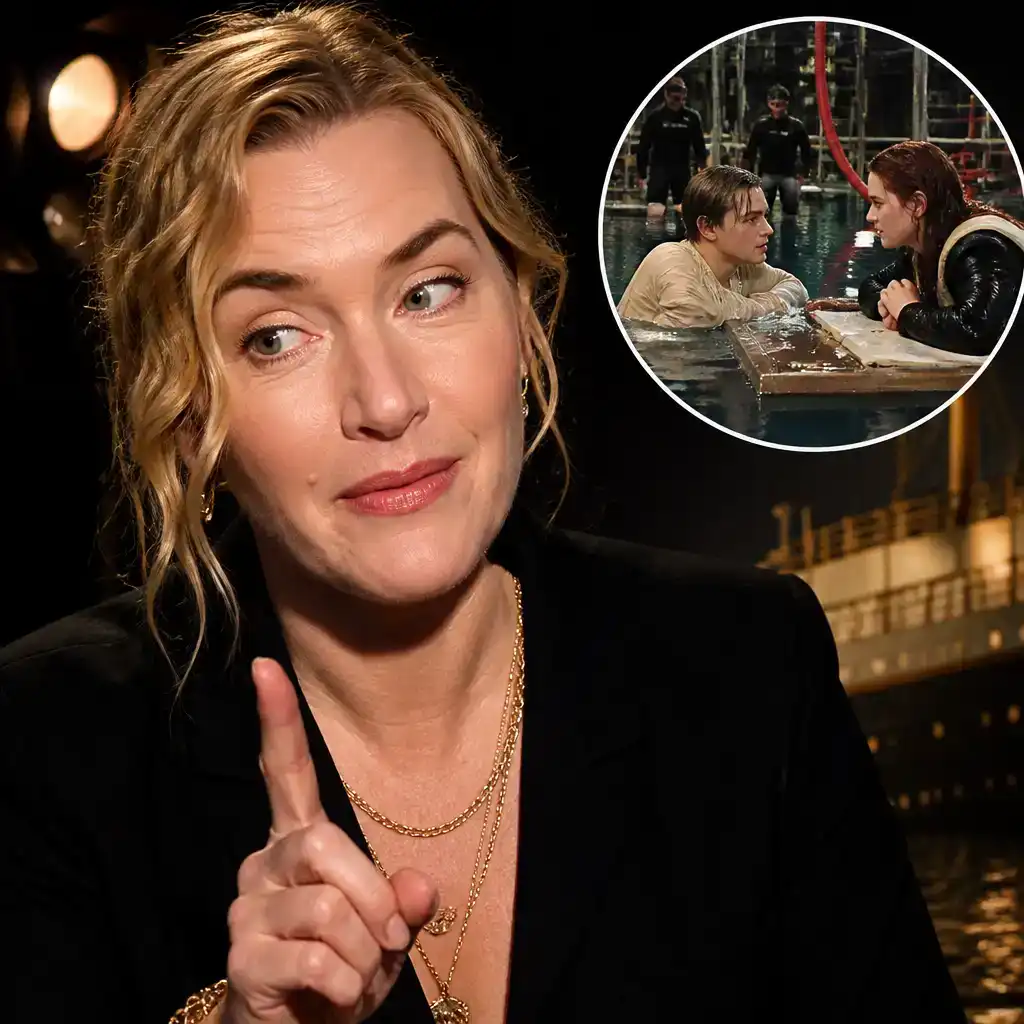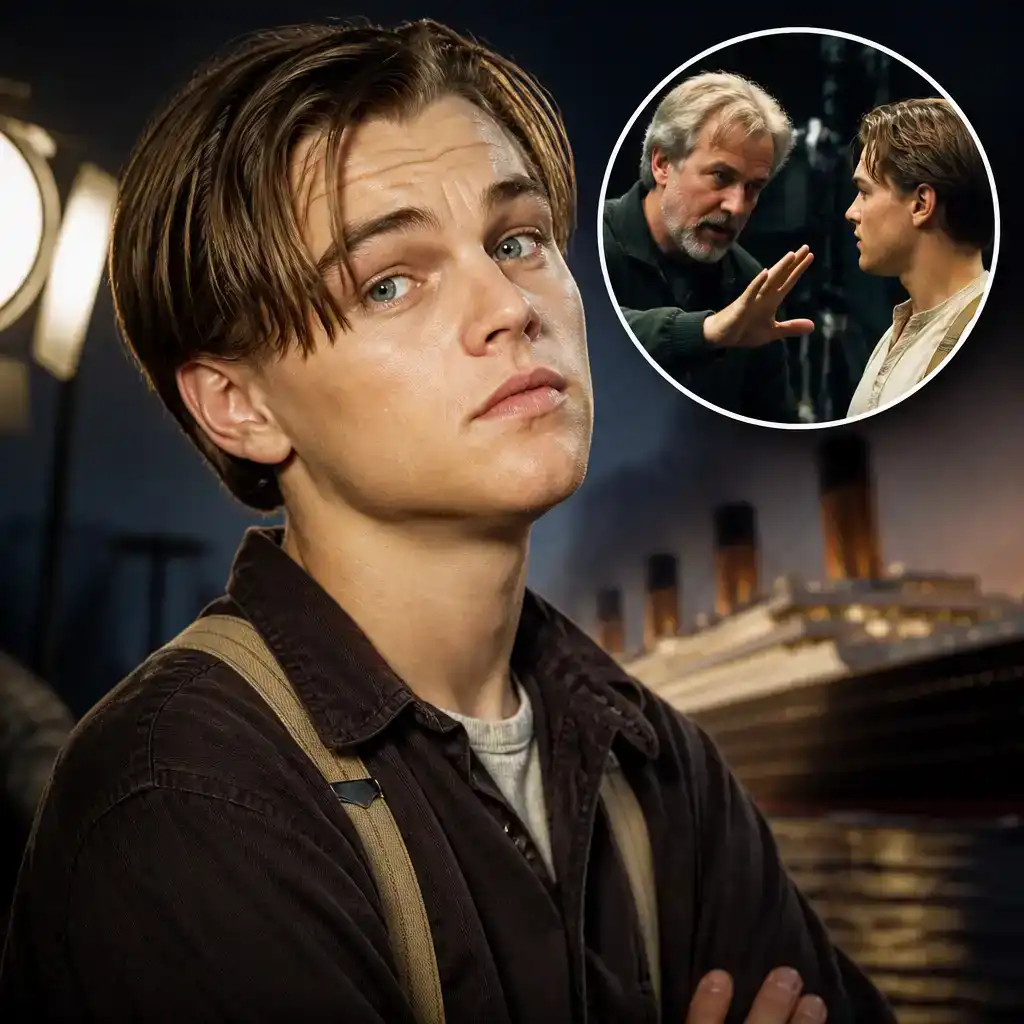
Leonardo DiCaprio nearly lost the role of Jack Dawson in Titanic after refusing to read opposite Kate Winslet and later questioning whether the character needed a more troubled backstory, according to director James Cameron.
The actor had impressed Cameron during their first meeting, charming both the filmmaker and an unusually crowded collection of employees who had found reasons to be in the room. The goodwill did not last uninterrupted.
When DiCaprio returned for a filmed screen test with Winslet, he apparently believed he was attending another meeting. Cameron expected him to audition.
That misunderstanding brought one of cinema’s most famous casting decisions surprisingly close to ending with a handshake and a polite goodbye.
Cameron was prepared to let DiCaprio walk away
Speaking to GQ in 2022, Cameron recalled that DiCaprio initially resisted when told he would need to perform scenes with Winslet, who had already been cast as Rose.
“He said, ‘You mean I’m reading?’” Cameron said. “And I said yeah, he said, ‘Oh, I don’t read.’”
Cameron’s response was not a negotiation. He shook DiCaprio’s hand and thanked him for coming.
According to the director, the actor then asked whether refusing the screen test really meant he would not receive the part. Cameron said it did.
“This is like a giant movie that’s going to take two years of my life,” Cameron recalled telling him. While DiCaprio would move on to other projects during post-production, Cameron said he would remain occupied with the film’s extensive model work and technical demands.
He therefore had no intention of making a casting decision without seeing whether his two leads worked together on camera.
“So you’re going to read or you’re not going to get the part,” Cameron said he told DiCaprio.
For all the later talk of destiny, the casting process apparently depended on a director being entirely willing to show his preferred leading man the door.
The reluctant audition transformed once Cameron called action
DiCaprio agreed to perform, although Cameron remembered that his displeasure remained visible until the test began.
“Every ounce of his entire being is just so negative, right up until I said action,” Cameron said.
The mood then changed. Cameron recalled that DiCaprio “turned into Jack,” while Winslet responded immediately to his performance.
“Dark clouds had opened up and a ray of sun came down and lit up Jack,” the director said. “I’m like, all right, he’s the guy.”
The test resolved the question that mattered most: DiCaprio and Winslet had the chemistry required to carry a long romantic drama whose ending was already rather firmly established by history.
Winslet’s own casting had proceeded more smoothly. Cameron said she gave a “fantastic” audition and secured the role relatively early, despite his initial concern that her previous period dramas had left her with a “Corset Kate” reputation.
He had considered performers including Gwyneth Paltrow for Rose, but Winslet convinced him that casting her would be more than an obvious repetition of her earlier work.
DiCaprio also wanted Jack to have a darker complication
The screen test was not the final point of tension.
Cameron said DiCaprio contacted him several weeks later and suggested that Jack should have “some affliction or some problem or some traumatic thing from the past.” The proposal was less a demand for one specific rewrite than an effort to give the character a darker psychological feature.
DiCaprio had already built his reputation through complicated roles. His performance as a teenager with a developmental disability in What’s Eating Gilbert Grape earned him his first Academy Award nomination, while his other early characters often carried conspicuous emotional damage.
Jack was different. Cameron had written him as an open, charismatic young man capable of occupying the centre of the story without an obvious disorder, mannerism or tortured history to do part of the dramatic work.
The director told DiCaprio that he needed to learn how to “hold the center” without those devices.
“This isn’t Richard III,” Cameron recalled saying. He compared the task to the understated screen presence of actors such as James Stewart and Gregory Peck, arguing that simply standing at the centre of a film could be more difficult than playing a character with a conspicuous physical or psychological complication.
Cameron even suggested that DiCaprio might not yet be ready for that challenge.
The provocation worked. According to the director, DiCaprio understood that Jack’s apparent simplicity was precisely what made the part demanding.
The casting dispute helped define DiCaprio’s biggest early role
Titanic opened in the United States on December 19, 1997, with DiCaprio and Winslet playing the fictional lovers aboard the doomed ocean liner.
The film became a global phenomenon and won 11 Academy Awards, including best picture and best director for Cameron. It also turned Jack and Rose into one of the most recognisable screen couples of their generation.
DiCaprio’s performance proved that he could anchor a vast studio production without loading his character with the kind of visible anguish that had distinguished some of his earlier work. Jack’s appeal instead came from his confidence, warmth and uncomplicated devotion to Rose.
Cameron later acknowledged that he had not initially explained the nature of the challenge well enough. Once he framed the character’s lack of dramatic “crutches” as the difficult part, DiCaprio embraced it.
The role of a lifetime was therefore secured twice: first when DiCaprio reluctantly agreed to read, and again when he stopped trying to turn Jack Dawson into somebody else.