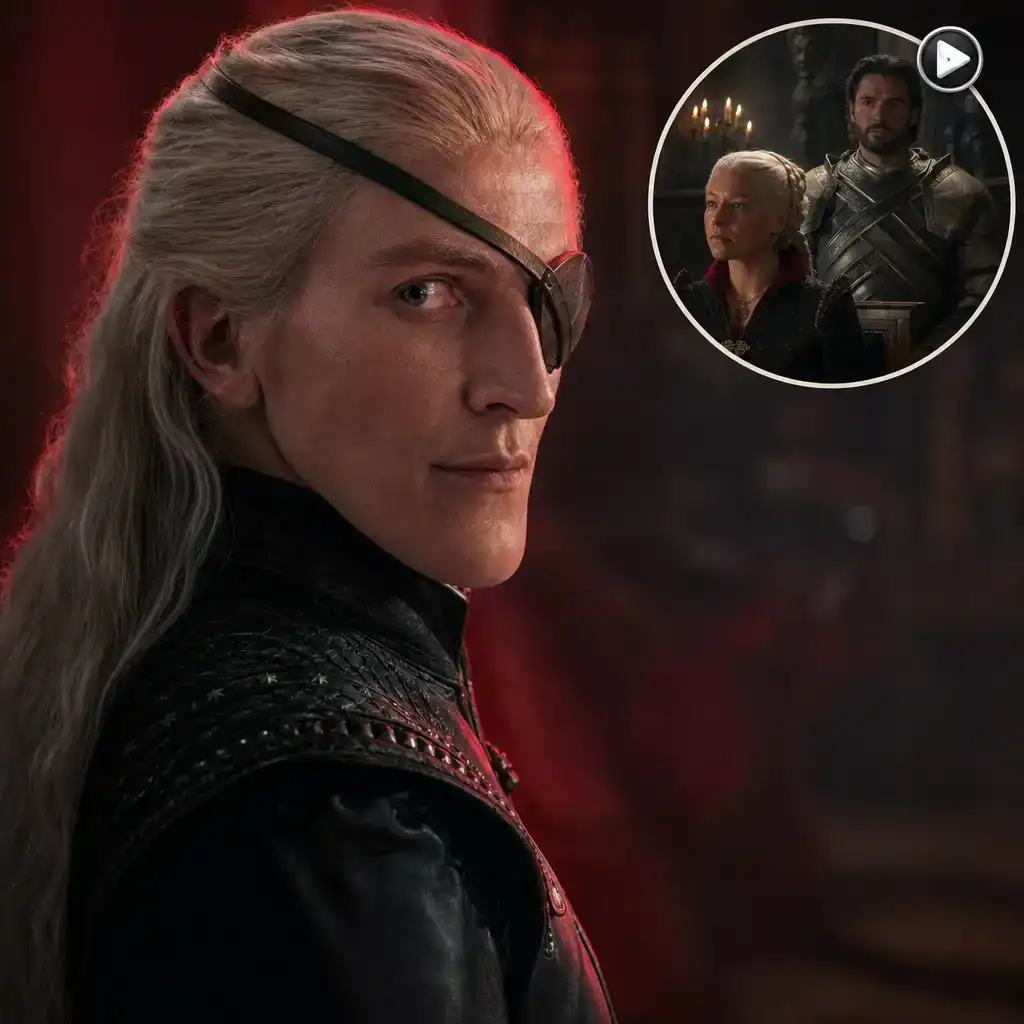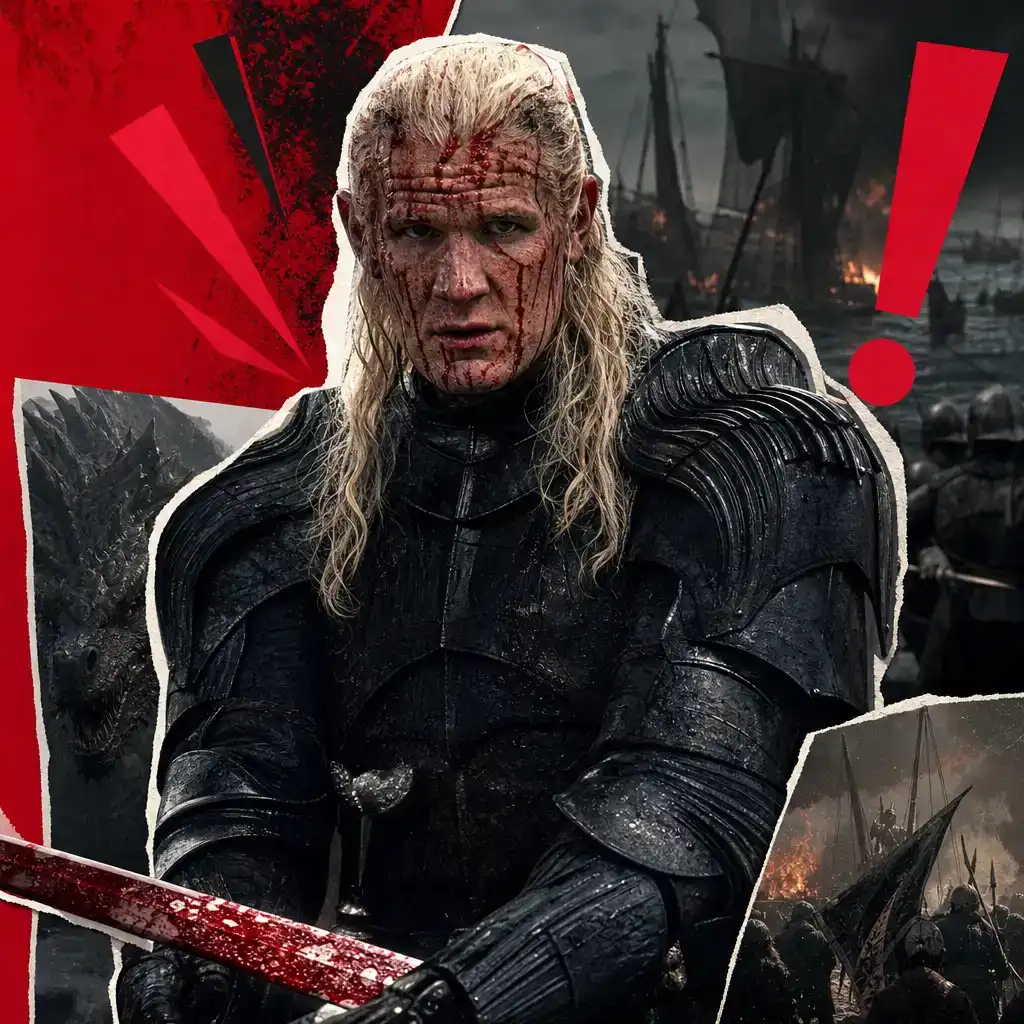
After a second season that asked viewers to enjoy the scenic route to civil war, House of the Dragon Season 3 is being sold as the payoff. Matt Smith, who plays Daemon Targaryen, says the next chapter of the Game of Thrones prequel is finally turning its long-building tensions into open war. Subtle, it is not.
The third season arrives on June 21 and is expected to put the Greens, the Blacks, and their dragons into full-scale conflict after two seasons of political pressure, family fracture, and the usual Westeros hobby of making every inheritance dispute catastrophic.
What Matt Smith said about the new season
Speaking to The Hollywood Reporter at the Season 3 world premiere, Smith said the show has opened up the story this time.
“I think they’ve aimed for scale, blood. It’s a big bloodbath, really, this season, which is absolutely where it’s needed to go,” he said. “I think that’s when the show is actually operating at its best in many ways, particularly for Daemon.”
That matters because Daemon has often worked best when the series lets him become more than a brooding agent of chaos in expensive leather. Season 2 spent considerable time inside his guilt, ambition, visions, and isolation. Season 3, Smith says, throws him back into the war itself.
Why Season 2 criticism is part of the conversation
Season 2 was not exactly ignored by audiences, but it did draw criticism for its slower pace and for delaying the kind of all-out dragon warfare many viewers expected after the end of Season 1. It did include the Battle at Rook’s Rest, one of the show’s major action set pieces, but much of the season focused on character work and moving the political pieces into place.
Asked whether he pays attention to criticism of the pacing, Smith did not brush it off.
“Oh, absolutely,” he said. “It’s all about the fans. You know, that’s why we’re here. That’s why we go and work in Leavesden for eight months a year.”
He added that the series will never satisfy everyone, especially with material tied to George R. R. Martin’s world, where readers tend to arrive with firm opinions and sometimes detailed notes.
“It’s never going to appeal to everyone. Everyone has their own opinion, particularly on George [R. R. Martin]’s work. But for me personally, it’s their show,” Smith said.
He said he hopes the new season “delivers on the scale that we want it to for them,” while adding that “only time will tell.”
How Season 3 raises the stakes in Westeros
The season is set to open with the Battle of the Gullet, a major naval and dragon conflict that showrunner Ryan Condal has described as “unlike anything that’s ever been done in television before.” That is a large claim, even by premium fantasy standards, but it signals the show’s intention clearly enough: the setup phase is over.
Emma D’Arcy, who plays Rhaenyra Targaryen, also pointed to a broader escalation, not just in spectacle but in emotional pressure.
“There is an increased ambition to the set pieces, but also to the narrative drama,” D’Arcy said. “It’s really a conflict that’s been building for two seasons; [it] suddenly ignites, and there [are] stakes, therefore, everywhere. It’s exciting when you feel there’s been a bar raise.”
That is the core promise for viewers who stayed through the slower burn. The battles are bigger, yes, but the reason they land is that the show has spent two seasons making the war personal. When the dragons finally take the field in force, the damage is not just visual. It is family, legacy, grief, and power colliding at altitude.
For a series built on the idea that history is written in fire and regret, Season 3 appears ready to stop circling the battlefield and finally enter it.