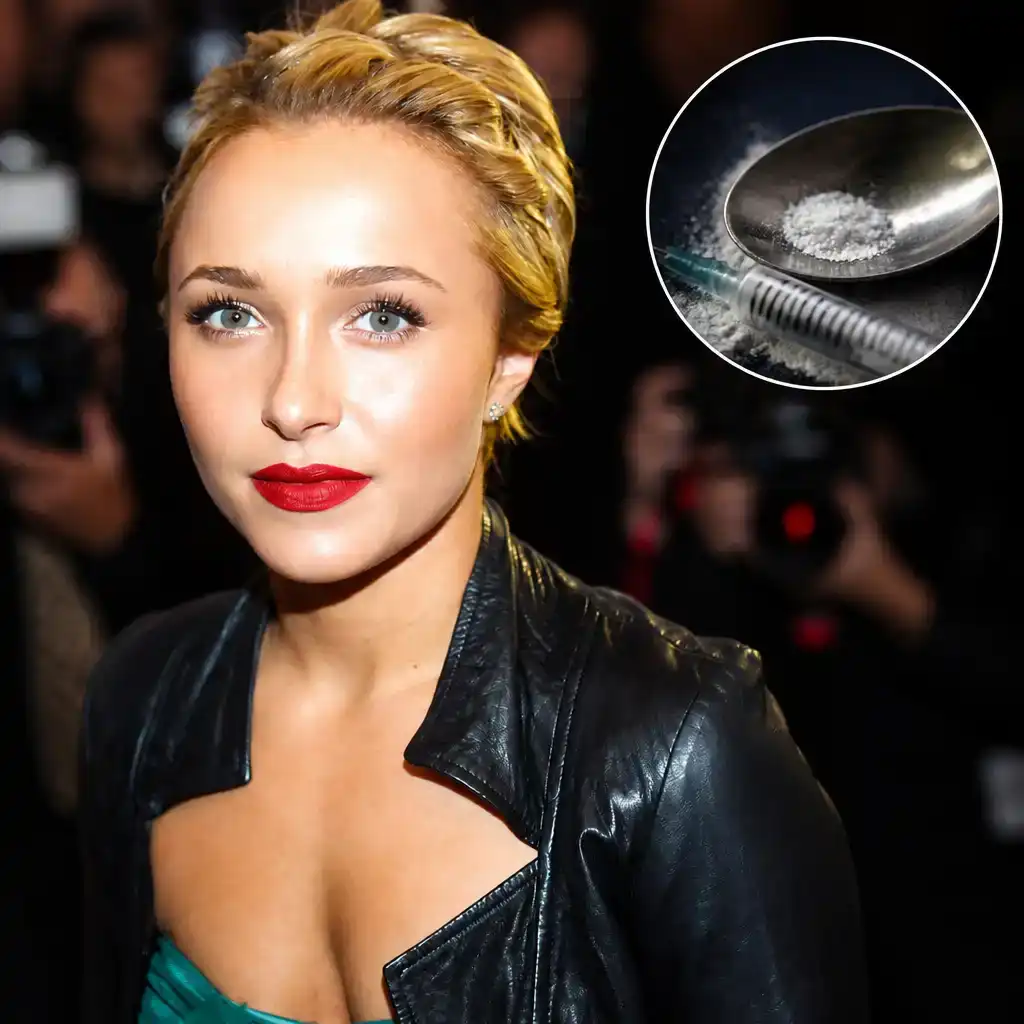
Hayden Panettiere’s cause of death was the toxic effects of fentanyl, 4-ANPP, alprazolam, methocarbamol and quetiapine, the Greenville County Coroner’s Office confirmed on Tuesday. The actress was 36.
The coroner ruled her death an accident, formally settling the question after emergency dispatch audio indicated that responders had attended a suspected overdose at a Greenville, South Carolina, apartment.
What happened on August 16?
A 911 call came in at approximately 1:51 p.m. on August 16, 2026, reporting a cardiac arrest at 701 Easley Bridge Road in Greenville.
“First responders and Emergency Medical Services arrived on scene and located a female in cardiac arrest,” the Coroner’s Office said in a statement.
Paramedics began advanced cardiac life support and performed chest compressions inside an apartment at the luxury complex. Their attempts to resuscitate Panettiere were unsuccessful, and she was pronounced dead at 2:32 p.m.
Dispatch audio obtained after her death initially referred to an “unidentified female” in cardiac arrest and confirmed that CPR was underway within minutes of the call. Law enforcement sources later said a friend of Panettiere had contacted emergency services.
Police found no signs of foul play and said the circumstances did not appear suspicious. The official accidental-death ruling now leaves little room for the speculation that often follows the sudden death of a well-known performer.
What was known before the coroner’s ruling?
Shortly after Panettiere’s death, a source said she had complained about back pain during the previous year. No further connection between that pain and the substances identified by the coroner was disclosed.
TMZ reported that Panettiere had flown out of Los Angeles one day before her death with her on-again, off-again boyfriend, Brian Hickerson. Authorities have not suggested that Hickerson was involved in the circumstances surrounding her death.
Her father, Skip Panettiere, confirmed her “tragic passing” on August 16 and asked for privacy while the family processed the loss.
“She was an incredible light and a force of nature who brought immeasurable love and joy to all who knew her and to the millions who watched her onscreen,” he said. “We ask for privacy as our family takes time to process this unimaginable loss.”
Panettiere was widely known for her roles in Heroes, Nashville and Remember the Titans. Her career began in childhood, placing her in the public eye long before she was old enough to decide whether that was a particularly healthy arrangement.
Panettiere had discussed addiction publicly
Over several years, Panettiere spoke openly about opioid addiction, alcoholism and postpartum depression. In 2022, she described a private struggle with alcohol and opioids that had become so severe she felt she “couldn’t live without” them.
She said she had not consumed alcohol during her pregnancy but began drinking again after the birth of her daughter, Kaya, whom she shared with former fiancé Wladimir Klitschko.
“I never had the feeling that I wanted to harm my child, but I didn’t want to spend any time with her,” Panettiere told People. “There was just this gray color in my life.”
She also said addiction contributed to the end of her relationship with Klitschko, who “didn’t want to be around” her at the time. When the couple separated in 2018, Kaya went to live with her father in Ukraine.
“It was the hardest thing I ever had to do,” Panettiere said of relinquishing custody. “But I wanted to be a good mom to her, and sometimes that means letting them go.” Kaya is now 11.
How she described postpartum depression
Panettiere first spoke publicly about postpartum depression in 2015 after Kaya’s birth. During an appearance on Live with Kelly and Michael, she called the experience “really painful” and “really scary.”
“There’s a lot of misunderstanding,” she said. “There’s a lot of people out there that think it’s not real, that it’s not true, that it’s something that’s made up in their minds, that ‘Oh, it’s hormones.’”
She rejected the assumption that postpartum depression necessarily involved wanting to hurt a child, saying she had “never, ever” experienced those thoughts.
“They brush it off,” she said. “It’s something that’s completely uncontrollable. It’s really painful and it’s really scary and women need a lot of support.”
Her comments helped draw attention to a condition that remains widely misunderstood, despite affecting parents across backgrounds and income levels. Panettiere’s account focused on isolation, detachment and emotional numbness rather than the narrow and often sensationalized version commonly presented in public discussion.
Her final months included a memoir and cancellation
Panettiere returned to those subjects in her memoir, This Is Me: A Reckoning, released in May 2026. During the promotional tour, she discussed what she called the “brutal” experience of growing up as a child actor and how those pressures affected her later life.
At a panel that month, she connected parts of her adult struggles to a career that began when she was young. The appearances marked one of her most extensive public discussions of addiction, mental health and childhood fame.
In July, only weeks before her death, Panettiere withdrew at the last minute from Creep I.E. Con.
“Hayden Panettiere has an emergency and will not be able to attend this weekend,” the convention said in an Instagram announcement. “We are looking forward to her appearing at an upcoming show.”
Her representative said at the time that the cancellation was caused by a “private family matter.” No further details were released, and no official connection has been made between that cancellation and her death the following month.
Support is available: Anyone affected by substance use or related mental health concerns can contact the Substance Abuse and Mental Health Services Administration’s National Helpline at 1-800-662-HELP (4357).