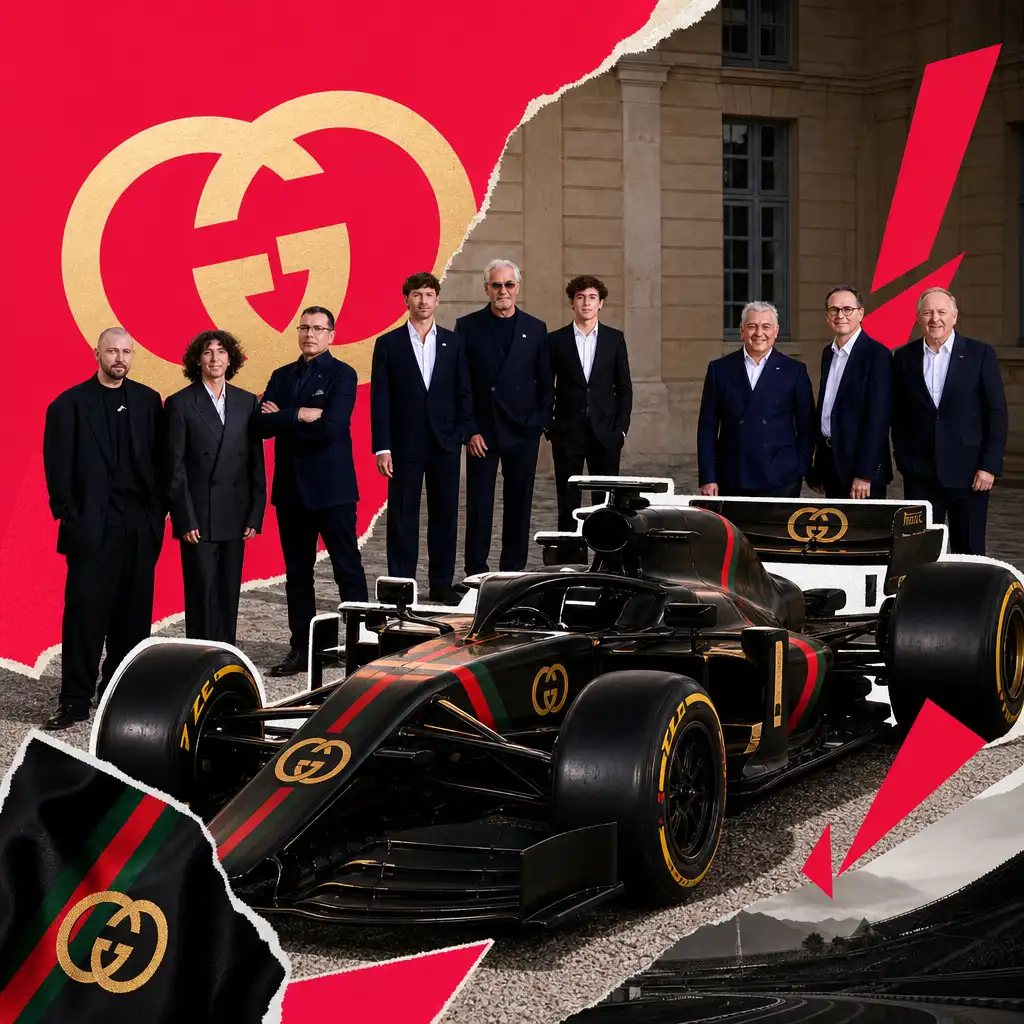
Formula 1 is getting another dose of luxury branding, because apparently the cars were not expensive-looking enough already. Gucci Racing will join the grid from the start of the 2027 season through a new title partnership with Renault’s Alpine Formula One Team.
The deal brings the Italian fashion house directly into F1 as both sponsor and collaborator, placing Gucci alongside a sport already used to mixing engineering, money, and very visible logos. Alpine will compete under the name Gucci Racing Alpine F1 Team, while keeping the shorter Alpine name on the official Formula 1 entry list.
What has Gucci announced for Alpine in 2027?
Gucci confirmed the partnership on social media, describing it as a move into Formula One and the launch of a new platform around luxury and sport.
“The House enters Formula One, becoming title partner of the Alpine Formula One Team from 2027, and introduces Gucci Racing – a new business and experiential platform at the intersection of luxury and sport,” the company said.
The announcement was light on detailed commercial terms, but the branding shift is already clear. Alpine’s current title sponsor, BWT, will step aside when the new arrangement begins.
According to Formula 1’s own site, Gucci’s red and green color palette will replace Alpine’s current blue and pink branding. During the Wednesday reveal, a Gucci-themed car cover featuring the brand’s familiar stripe and logo offered an early glimpse of what is coming.
Why this is a notable move for Formula 1
The partnership marks the first time a luxury clothing brand has collaborated with a Formula 1 team in this way. F1 has long been comfortable with global sponsors, from energy drinks to technology companies to legacy carmakers, but a fashion house taking title space is a different kind of statement.
It also reflects where the sport has been heading. Formula 1 has become increasingly fluent in lifestyle marketing, helped by younger audiences, streaming-era visibility, celebrity-heavy race weekends, and a calendar that now sells itself as much as a travelling cultural event as a motorsport championship.
Red Bull’s presence has already shown how a non-traditional automotive brand can become central to the grid. Ferrari and McLaren still bring the heritage. Gucci brings another sort of heritage entirely, one with fewer pit stops and more retail floors.
What changes for Alpine?
Alpine remains managed by Renault, even as the team’s cars have adopted Mercedes engines this season. The Gucci deal does not change that operating structure, but it does give the team a far more prominent global branding platform.
The timing is useful. Alpine finished last in the Formula 1 championship in 2025, but its current form is stronger. The team is now fifth in the overall standings and has made a better start to the season than in previous campaigns.
Flavio Briatore, Alpine’s Executive Advisor, framed the agreement as part of that momentum.
“I am excited about the possibilities the partnership with Gucci brings and the great things we can achieve together at a global level,” Briatore said. “The Enstone Team has a history of doing things differently to others and has previously shown that fashion can finish first in Formula 1.
“With the improved performance on track, and Alpine having its best-ever points total to start a season, this new collaboration with Gucci shows the growing momentum behind the team.”
How Gucci is positioning the move
The partnership is not being pitched as a simple logo placement. Gucci is launching Gucci Racing as what it describes as a platform for business projects and fan experiences, which points to products, events, and other public-facing tie-ins.
Gucci president Francesca Bellettini said the move reflects the company’s broader ambitions.
“This reflects our ambition for the brand and the role we want Gucci to play on this stage,” Bellettini said. “Formula 1 now brings together performance, culture, and global reach in a way few sports can, and Alpine Formula One Team is the right partner to make that real.
“Gucci Racing is not just a logo on the car. It shows who we are and where we want to take the brand.”
That is polished brand language, certainly. But it also points to the reason this deal matters: Formula 1 is no longer selling only racing to racing fans. It is selling identity, access, spectacle, and the chance to belong to something fast, expensive, and globally visible. Gucci, unsurprisingly, knows that market well.