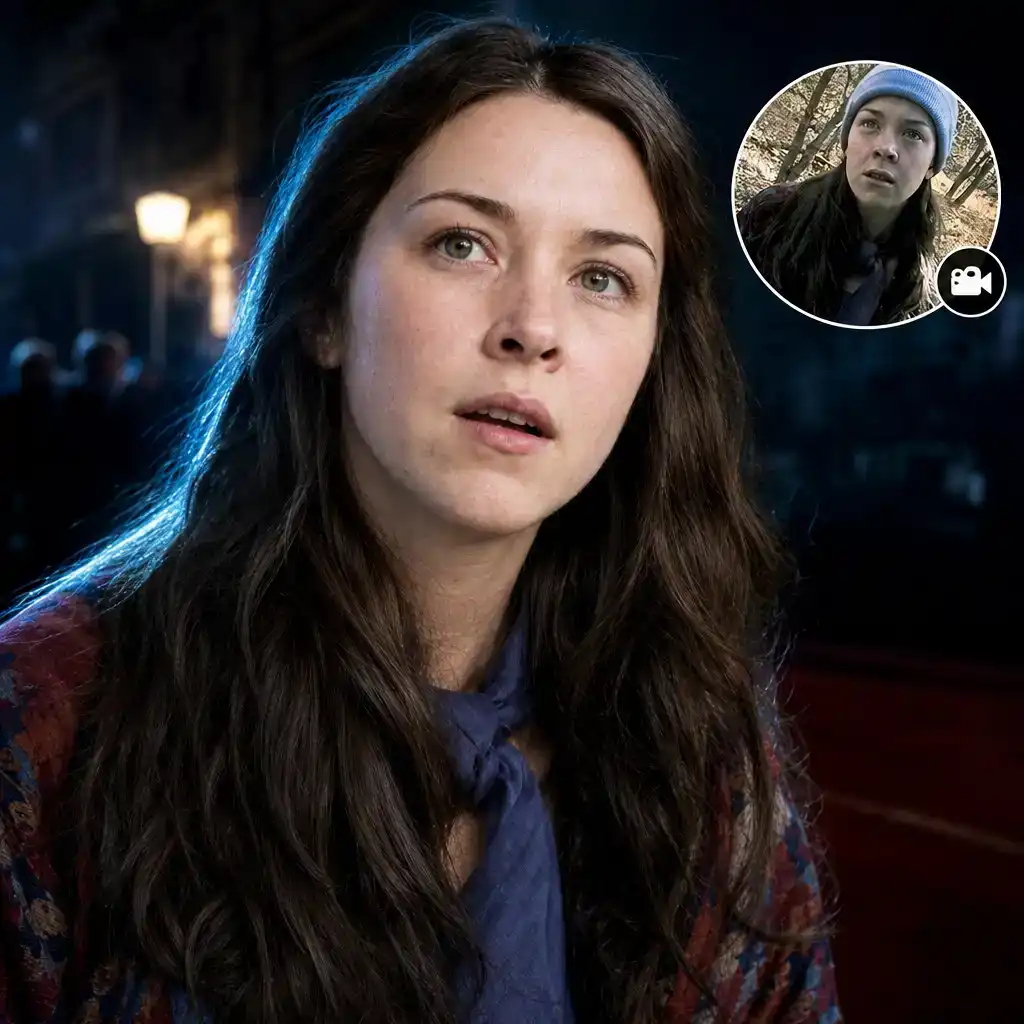
Blair Witch actress Heather Donahue did not simply fade out after one of horror’s most unlikely success stories. She stepped away from acting, changed her name to Rei Hance, and built a life far from the machine that made her famous by convincing audiences she might actually be dead. Subtle marketing, really.
The actor became known everywhere in 1999 after starring in The Blair Witch Project, the low-budget found-footage film that turned three unknown performers wandering through the woods into a global horror phenomenon.
How The Blair Witch Project made her famous
Directed by Daniel Myrick and Eduardo Sánchez, The Blair Witch Project followed three student filmmakers who head into the Maryland woods to investigate a local legend, then disappear. Donahue starred alongside Joshua Leonard and Michael C. Williams, with all three actors using their real first and last names in the film.
That choice became central to the movie’s unsettling power. The marketing campaign blurred the line between fiction and reality, built around the idea that the footage had been recovered after the students vanished.
For audiences in 1999, before every horror campaign came with a forensic Reddit thread within seven minutes, it worked extremely well. The film was made for a fraction of a typical studio budget and went on to earn about $248 million worldwide, becoming one of the most profitable independent films ever made.
It also left its stars in a strange position. Donahue was suddenly famous, but not in the clean, career-launching way actors usually hope for. Many viewers associated her so strongly with the supposedly “missing” woman onscreen that the role became difficult to separate from real life.
Why Heather Donahue left Hollywood
After The Blair Witch Project, Donahue continued acting for several years. She appeared in projects including the 2002 miniseries Taken, as well as films such as Boys and Girls, New Suit, Seven and a Match, and The Morgue.
But the breakthrough role did not turn into a long-running screen career. Donahue later spoke about how complicated the film’s legacy was for her personally, especially because the promotional campaign had treated her identity as part of the movie’s fiction.
Being known as “the woman from Blair Witch” can open doors, but it can also nail your name to one very specific door and leave you standing outside it. By 2008, she had retired from acting.
Her departure was not just a quiet pause between roles. Donahue has said she made a clean break from that chapter of her life, a break from Los Angeles and the expectations that came with being attached to such a famous horror title.
What Rei Hance did after acting
After leaving Hollywood, Donahue built a very different career. She moved into medical cannabis cultivation in California, a life she later wrote about in her 2012 memoir, Growgirl: How My Life After The Blair Witch Project Went to Pot.
The book traced her move from acting to growing cannabis, while also reflecting on the odd afterlife of sudden fame. It was not the usual celebrity memoir route of “here is how I conquered the industry.” It was closer to “here is what happened when the industry conquered my name, and I went somewhere else.”
She later changed her name to Rei Hance, a move that reflected her effort to reclaim her identity beyond the character people thought they knew.
In more recent years, Hance has resurfaced publicly in conversations about The Blair Witch Project and its long cultural tail. The film remains a landmark in horror, not only for its style but for the way it helped shape online viral marketing before social media became the global complaint department.
The cast has revisited the film’s legacy
The original cast’s complicated relationship with the movie has also drawn renewed attention. In 2024, Hance, Leonard, and Williams were among those who spoke out around the film’s 25th anniversary and its continued commercial value.
The actors have highlighted the gap between the movie’s enormous success and the compensation received by the people whose faces and names helped sell its central illusion. The cast asked Lionsgate for retroactive residuals equivalent to what they would have received under standard union terms, along with more meaningful consultation on future Blair Witch projects.
Their requests also included support for a grant for emerging genre filmmakers, which would at least turn the legacy into something more useful than another round of haunted-woods branding.
For viewers, the story is a reminder that cult films can leave scars on the people inside them. The Blair Witch Project gave horror a new visual language and terrified a generation with a tent, a camera, and a very bad map. But for Hance, its impact was also personal: it made her famous by turning her real identity into part of the scare.
Now, years after leaving acting behind, her life looks far removed from the shaky footage that made her name. That seems to be the point.