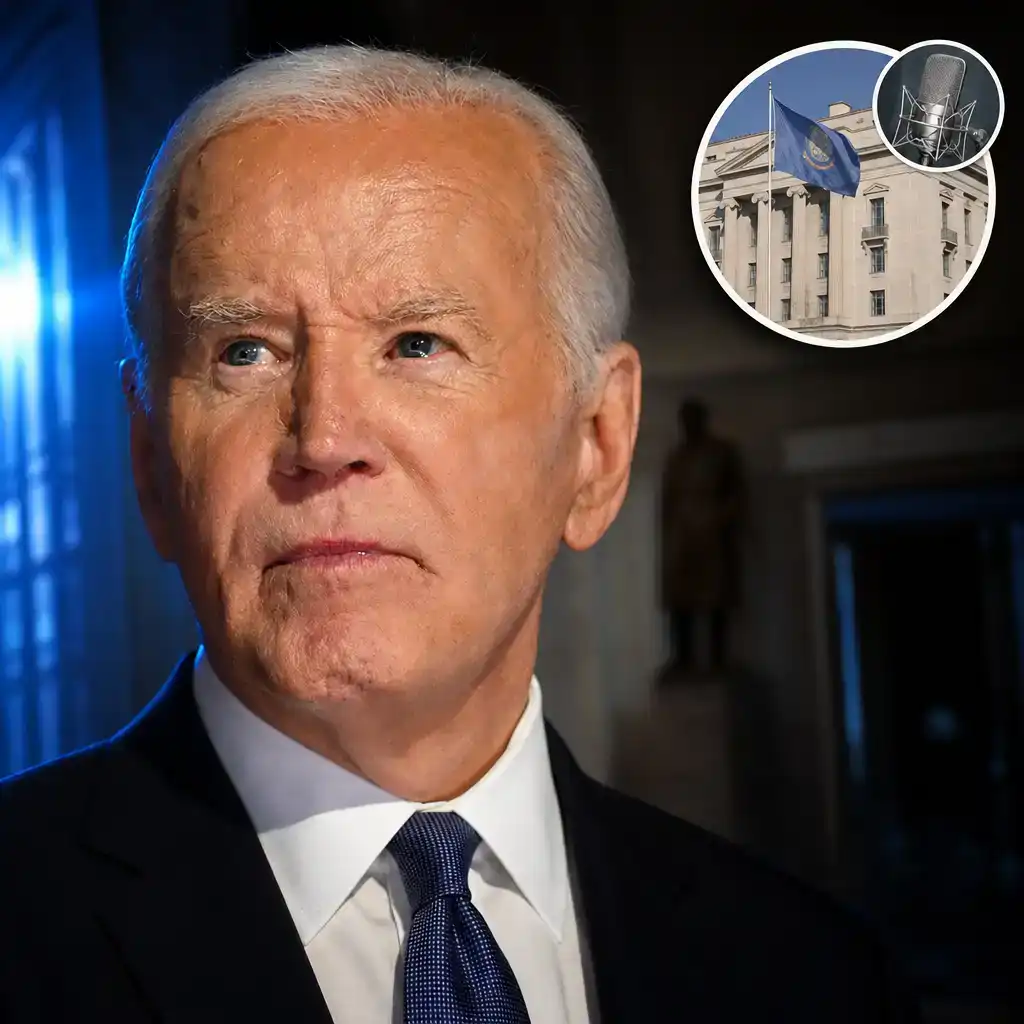
According to AP News, a federal appeals court has rejected Joe Biden’s bid to keep Biden memoir recordings from being released by the Department of Justice. The 2-1 decision from the U.S. Court of Appeals for the District of Columbia Circuit came late Monday, and the court said there is a “substantial” public interest in disclosing the material.
The recordings come from a 2017 interview Biden gave to Mark Zwonitzer, the ghostwriter who worked with him on his memoirs. Biden’s legal team argued that releasing the audio would invade his privacy. The Department of Justice had previously taken the position that the recordings were exempt from disclosure under public records law.
Why the court rejected the privacy argument
The appeals court acknowledged some privacy concerns. Instead, it said redactions to the audio could help protect Biden’s privacy while still allowing the public to hear material the court found had significant public interest.
That’s the legal version of splitting the difference, though it was not the outcome Biden wanted.
The ruling follows a June decision by U.S. District Judge Dabney Friedrich, who was nominated by President Trump. Friedrich ruled that the public should be able to hear the recordings. Biden appealed that decision, but the D.C. Circuit has now rejected the appeal in a divided ruling.
The court has paused the effect of its decision until August 3, giving Biden time to file another appeal if he chooses to pursue one.
What the recordings are connected to
Biden has published two memoirs, and he was interviewed by Zwonitzer in 2016 and 2017 while working on them. Those interviews took place at Biden’s home and happened before he was elected president.
The specific audio at issue is from a 2017 interview. AP News reports that Biden wanted to keep the material private, while the court found the public interest in disclosure was strong enough to overcome that argument, with redactions used as a safeguard.
For now, the next step is procedural, not dramatic. The decision is suspended until August 3, and Biden can seek further review before the recordings are released. If he does not, the Department of Justice would be positioned to move ahead under the court’s ruling.