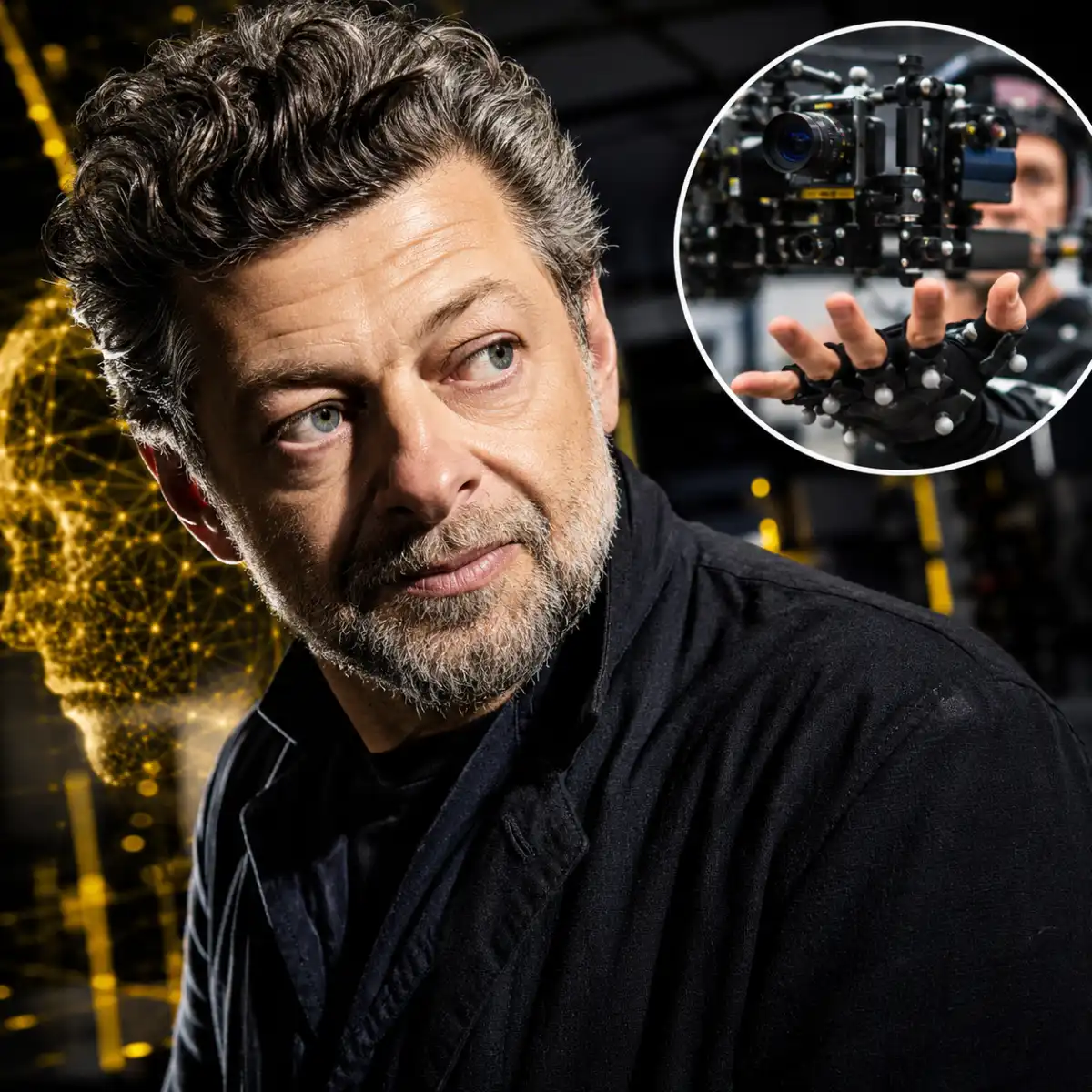
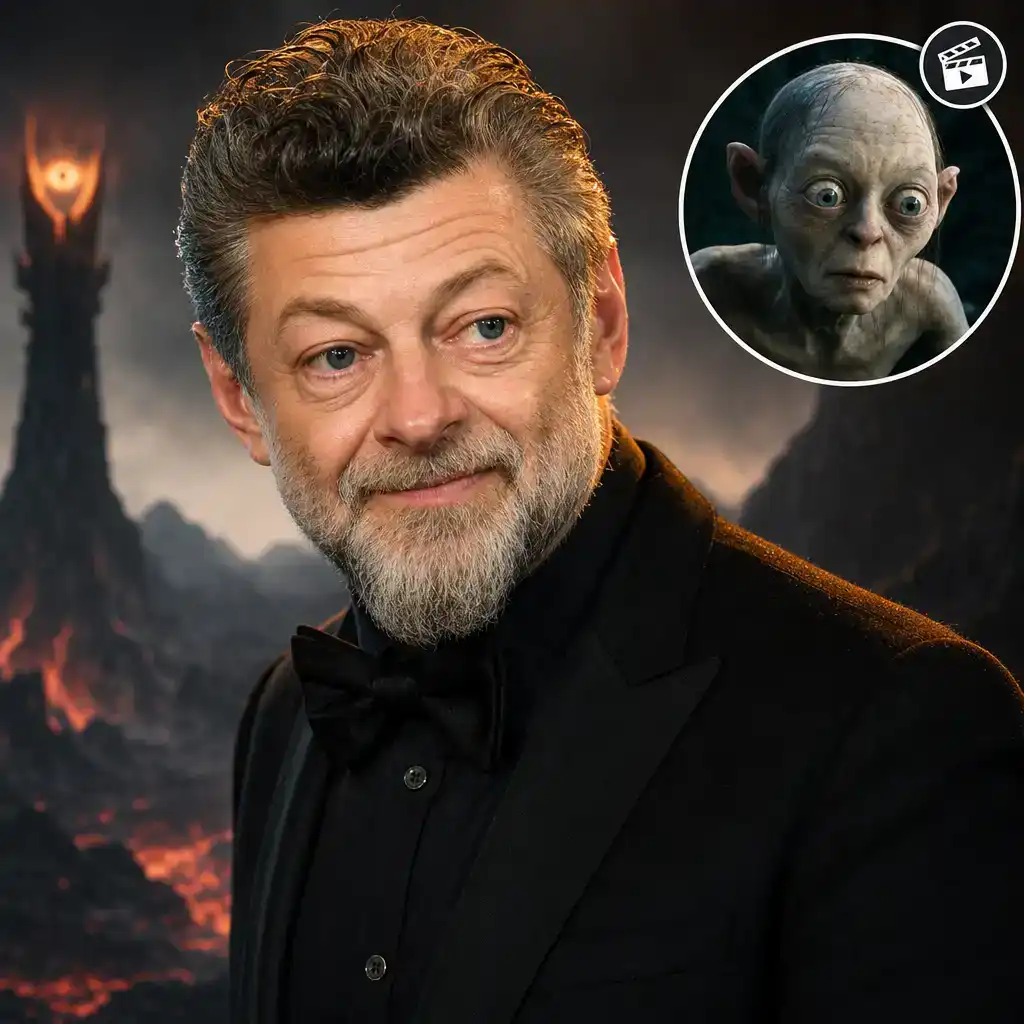
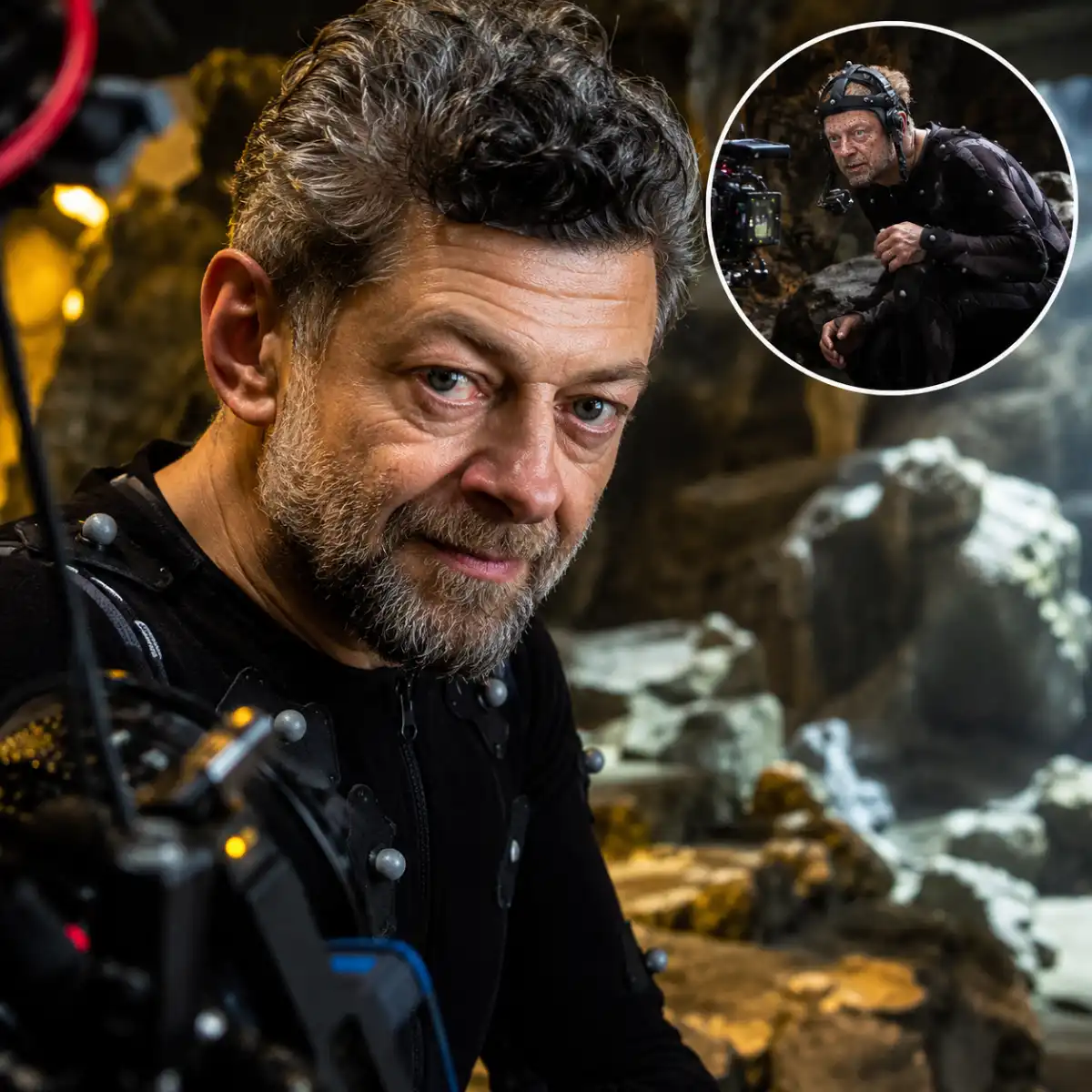
But he was also clear that more creative possibility brings more responsibility. AI can give artists more room to make things, but it can also make misinformation easier to produce, blur the line between human and machine-made work, and make accountability harder to establish.
“As the creative landscape expands, so does our responsibility,” Serkis added.
Google’s Jon Zepp says transparency will matter
Jon Zepp, Google’s Vice President of Entertainment Content & Platforms, described AI as “a major new dimension of storytelling.” His view was that new technology is creating more options for both creators and audiences, especially as companies test formats built for changing viewing habits.
Zepp pointed to Google’s growing investment across different types of content, including newer formats such as microdramas, as part of a wider effort to understand what viewers want and how they behave. That sounds clinical, because it is. Audience preference is the entertainment industry’s favorite mystery and favorite spreadsheet.
Still, Zepp stressed that trust will become more important as AI-generated material becomes more common.
“In most cases, audiences will want to understand the source of origin,” he said.
He argued that creators, technology companies and other industry players will need to work together on new standards for trust and attribution. In a world where more people can create polished content quickly, knowing where something came from may become as important as the content itself.
Josh Nelson Youssef asks the practical question
Filmmaker Josh Nelson Youssef also saw value in AI-assisted workflows. He said digital tools can help creators work more efficiently and reach a higher level of execution, especially when budgets, time and technical demands are all pulling in different directions.
But Youssef pushed the conversation back toward intention. For him, the key issue is not simply whether AI can speed up a process or generate an impressive result. It is whether the tool is serving the story.
“The question is not simply what these tools can do, but why we are using them,” Youssef said.
That distinction matters because the entertainment industry has a long history of mistaking novelty for purpose. AI may make certain creative steps easier, but the speakers suggested that ease alone is not a creative vision.
Human creativity remains the central question
Across the conversation, Serkis, Zepp and Youssef shared a broadly optimistic view of where technology could take film, television and digital storytelling. They pointed to new possibilities for world-building, faster production pipelines and wider access for creators who may not have had the same tools before.
At the same time, they agreed that human imagination, creative freedom and reliable sources of information will remain central as the industry moves into its next digital phase.
That is the emotional stake beneath the industry language. Viewers are not just asking whether an image is convincing or a story is polished. Increasingly, they may want to know who made it, why it was made, and whether they can trust what they are seeing.
“The world is changing fast,” Serkis said. “But human creativity will evolve alongside it.”