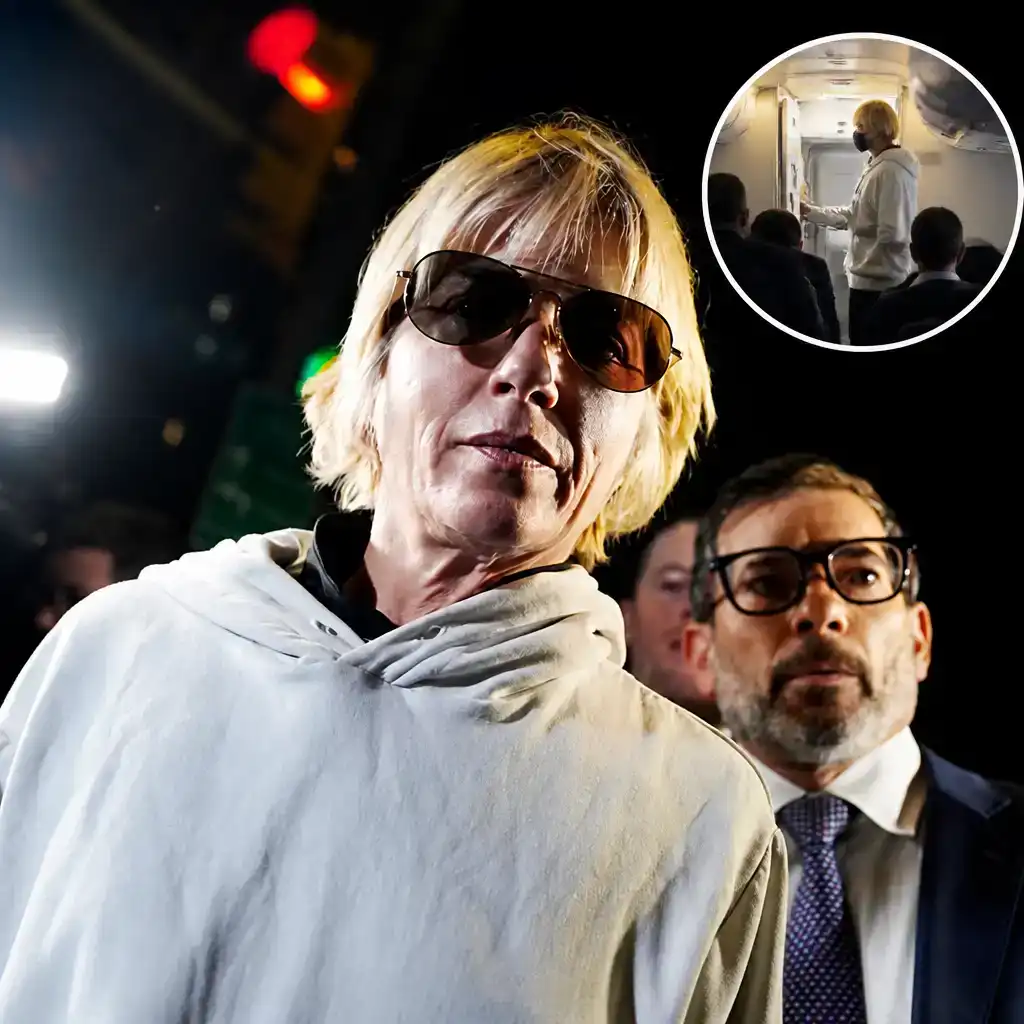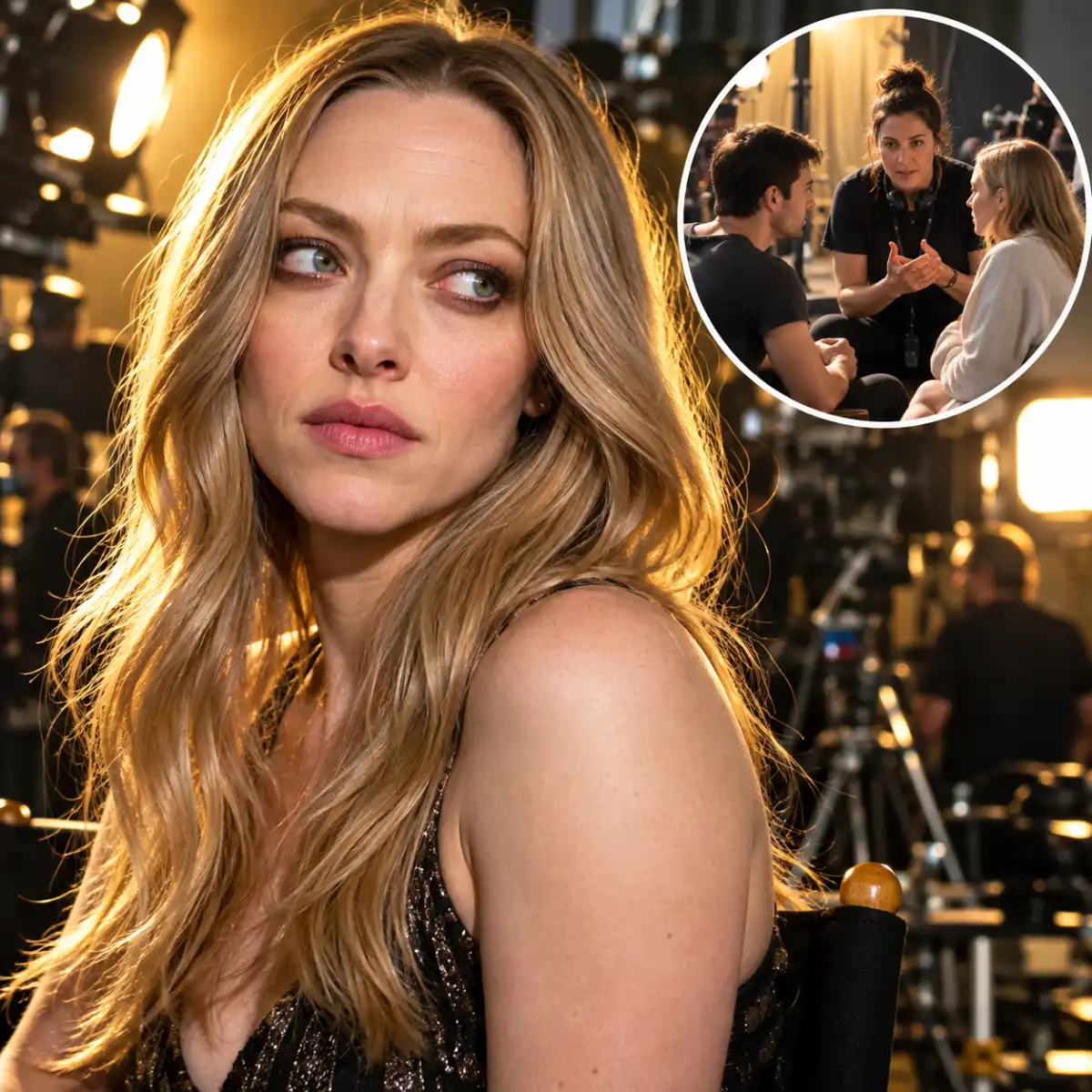
Amanda Seyfried rejected a TV role over sex scenes, saying the unnamed project would have required her to film intimate material far more often than she currently finds comfortable.
Speaking during a 60-minute conversation at the Hamptons International Film Festival on October 4, the 40-year-old actor explained that her attitude towards on-screen intimacy has changed with age. Alec Baldwin moderated the event.
“Our jobs are weird,” Seyfried said, according to People. “And as I get older, it gets weirder. We have to be romantic with people that we’re not romantic with.”
Why did Seyfried turn down the television project?
Seyfried did not identify the series, its creators or the proposed co-star. Subsequent reports from TheWrap, AV Club and the Daily Beast have not filled in those blanks either. Hollywood will apparently have to survive without knowing which production lost its preferred supply of carefully choreographed awkwardness.
What Seyfried did make clear was that the frequency of the sex scenes, along with the nudity involved, caused her to refuse the role.
“I passed on a show where I would have to have sex all the time because of the sex,” she said.
When asked about the project, she declined to provide more information. “Doesn’t matter [what it was]. I don’t wanna do it. I’m uncomfortable with it. I’m not into it right now.”
That final phrase matters. Seyfried did not announce a permanent ban on intimate scenes, nor did she criticise actors who accept them. She described a present boundary and left herself room to reconsider later.
“Maybe if [the project] came along again [at a later point], maybe I’d be in a different space,” she said. “But I don’t wanna deal with being naked with a stranger.”
How have her views on intimacy changed?
Earlier in her career, Seyfried said, filming romantic scenes barely registered as a concern. She sometimes welcomed the prospect of kissing an attractive co-star and treated it as another enjoyable part of the job.
“Sometimes it’s great. Sometimes it’s really uncomfortable,” she said. “But I can’t believe back in the day I was just like, ‘We gotta make out. Great! This is awesome. I know how to make out.’”
At the time, she regarded intimate work as “a non-thing”. Her younger perspective, she recalled, was essentially: “I get to make out with a hot person today… And they’re paying me.”
Age and experience have made the arrangement feel less simple. Her comments suggest the issue is not intimacy as a dramatic tool, but whether she personally wants to perform it, how often the production demands it and who holds the power to say no.
That distinction also fits her record. Seyfried has appeared in sexually explicit projects including Chloe, Lovelace and the 2025 film The Testament of Ann Lee. Another 2025 release, The Housemaid, used an intimacy coordinator for its sex scenes. Her latest remarks are therefore less a sudden moral objection than a decision about conditions and consent.
Her comments echo earlier concerns about pressure
Seyfried has previously discussed how little control she felt over nudity when she was a young actor. In a 2022 interview with Porter, she said she performed nude scenes at 19 because she worried that objecting might upset someone or cost her the job.
She also said she wished intimacy coordinators had existed at that stage of her career. The contrast with her current position is hard to miss: at 19, she feared the consequences of refusing; at 40, she can decline an entire television series because its requirements do not suit her.
Her comments add to the wider industry discussion about consent and power during intimate filming. In this case, the answer was straightforward. A production wanted repeated sex scenes, Seyfried did not want to perform them, and she walked away. No elaborate scandal was required.
Did her family circumstances affect the decision?
Seyfried also told the festival audience that her two children are becoming more aware of her work. She shares them with actor Thomas Sadoski, whom she married in March 2017.
The pair publicly confirmed their separation in a joint statement on September 15. “We have been separated for a while, and it’s proven to be the right move for us and our family unit,” they said, according to the Los Angeles Times. “We’ve got each other forever.”
The timing provides personal context, but Seyfried did not say the separation caused her to reject the television role. Her explanation focused on her own comfort with frequent nudity and simulated sex, while acknowledging that those feelings could change.
For now, the boundary is clear. She remains open to intimate material under different circumstances, but being repeatedly naked with an unfamiliar co-star is not a job requirement she wants to accept simply because someone has attached a script and a salary.