Microsoft is considering Xbox in-game ads that could interrupt play after a level, multiplayer match or other milestone, according to a newly published patent. The filing arrives as rumours continue to circulate about a cheaper, advertising-supported version of Xbox Game Pass.
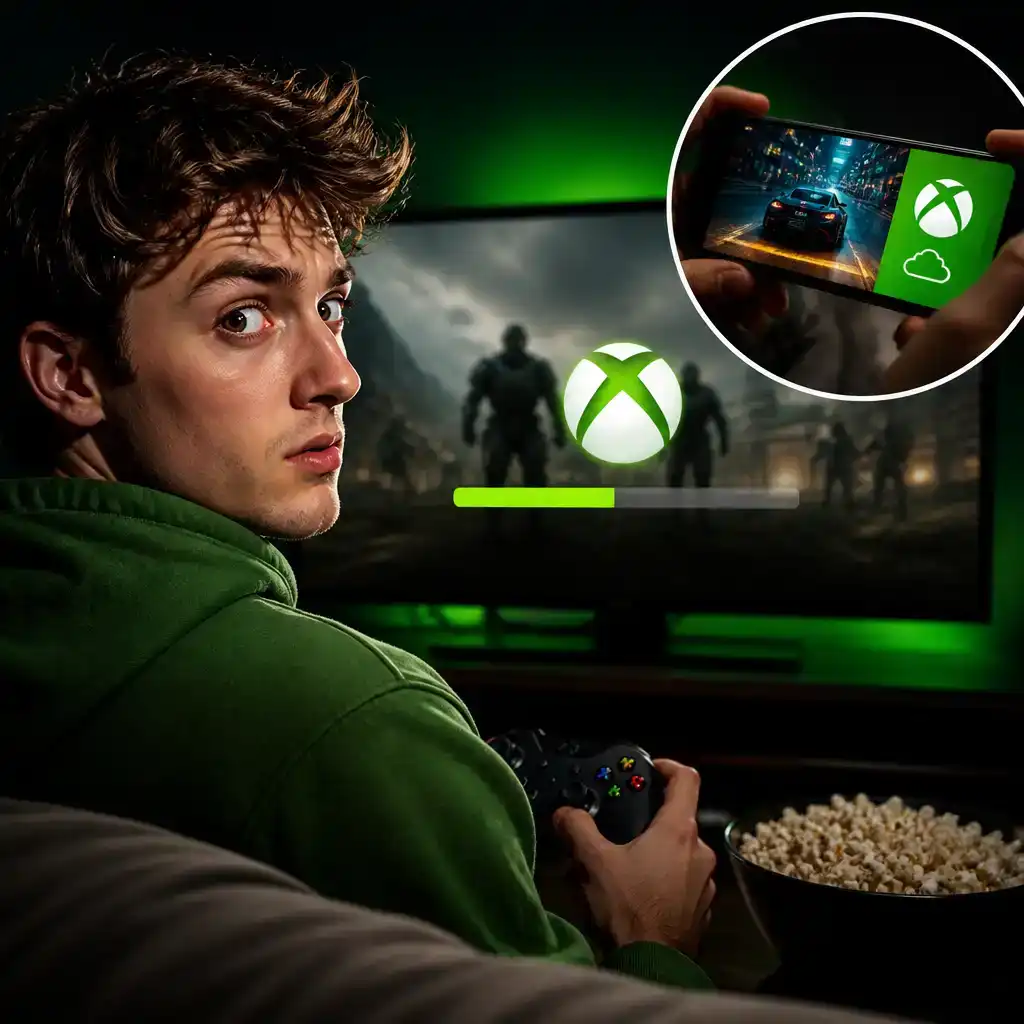
Microsoft already offers free cloud game streaming supported by adverts. Under that system, commercials play before streaming begins rather than during a session. It is not exactly a premium welcome, but at least the game itself remains untouched.
The patent suggests the company has explored a more intrusive alternative. It does not confirm that Microsoft will launch the system, but it shows that someone considered the idea seriously enough to document how it might work.
How would adverts interrupt an Xbox game?
Microsoft filed the patent in April 2026, and the United States Patent and Trademark Office published it in September. Respawn First noticed and shared the document over the weekend.
Titled “Contextually Aware Management of Interactive Software Application Access,” the proposed system would temporarily pause access to interactive software and require the player to watch an advert. The language is predictably technical, because even commercial breaks apparently need an engineering vocabulary.
The patent describes giving users a period of access, referred to as a “credit,” that could be measured through time, progress or specific in-game events. It offers several examples:
- Playing five rounds
- Completing one level
- Finishing three online multiplayer matches
- Defeating a particular non-playable character
- Completing a project or task within an application
Once the relevant condition had been met, the system could insert an advertisement before granting another period of access.
Would ads appear during boss fights?
In theory, no. The proposed technology would use gameplay context to choose a less disruptive point for the interruption, such as the end of a level or match. That should prevent an advert from appearing during a boss fight, a competitive encounter or another sequence where an unexpected pause could cause problems.
The patent says a credit duration may be “defined at least partially by progression or events in the interactive software application.” In practical terms, Microsoft appears to be considering scheduled interruptions tied to natural stopping points rather than adverts arriving whenever the system decides players have enjoyed enough uninterrupted entertainment.
Of course, a patent describes an idea, not a finished product. Companies regularly protect technologies that never reach consumers. Microsoft has not announced plans to add commercial breaks to paid games or existing Game Pass subscriptions.
Still, the filing provides a detailed framework for doing exactly that if the company chooses to proceed.
Could this be part of a cheaper Game Pass tier?
The approach resembles advertising in free-to-play mobile games, where commercials often appear between levels or after a set amount of activity. Players tend to tolerate that arrangement when the game costs nothing. Expectations become rather different after paying £70 for a release.
Xbox Game Pass sits in a more complicated position. Subscribers pay for access to a catalogue rather than buying each title individually, which could give Microsoft room to argue that adverts help fund a lower-cost option. Customers may respond that a subscription fee is still a payment, because accounting remains stubbornly real.
Reports have claimed that an ad-supported Game Pass plan is under consideration and may exclude new Xbox titles on their release day. When questioned about that possibility, Microsoft did not deny it.
No price, release date or final feature list has been announced for such a tier. The patent also does not explicitly state that the technology would be limited to Game Pass, free streaming or any particular Xbox service.
Why would Microsoft consider more advertising?
The filing comes during a period of aggressive cost cutting across Microsoft’s gaming business. The company is still laying off hundreds of Xbox employees and has raised prices for both the Xbox Series X/S consoles and its cloud streaming service.
Against that backdrop, a cheaper subscription funded by advertising would fit Microsoft’s broader effort to generate more revenue from its gaming audience. Whether players would accept interruptions inside games is another question, particularly if the discounted tier also withheld major first-party releases at launch.
Microsoft has not stopped spending everywhere. It is financing two projects associated with Hideo Kojima: OD, developed with Xbox Game Studios, and Physint. Both feature prominent casts and are unlikely to be modest productions.
For now, the advert system remains a patented concept rather than a confirmed Xbox feature. But the document makes the potential model clear: play for a defined period, reach an approved stopping point, watch a commercial and then continue. Console gaming may yet borrow another feature from mobile games that nobody was urgently requesting.