Official World Cup songs have their place. Shakira and Andrea Bocelli have both done the grand, polished version of tournament music. But for England fans, the emotional heavy lifting is currently being done by a 30-year-old Oasis track that half the crowd can sing beautifully and the other half can at least shout with confidence.
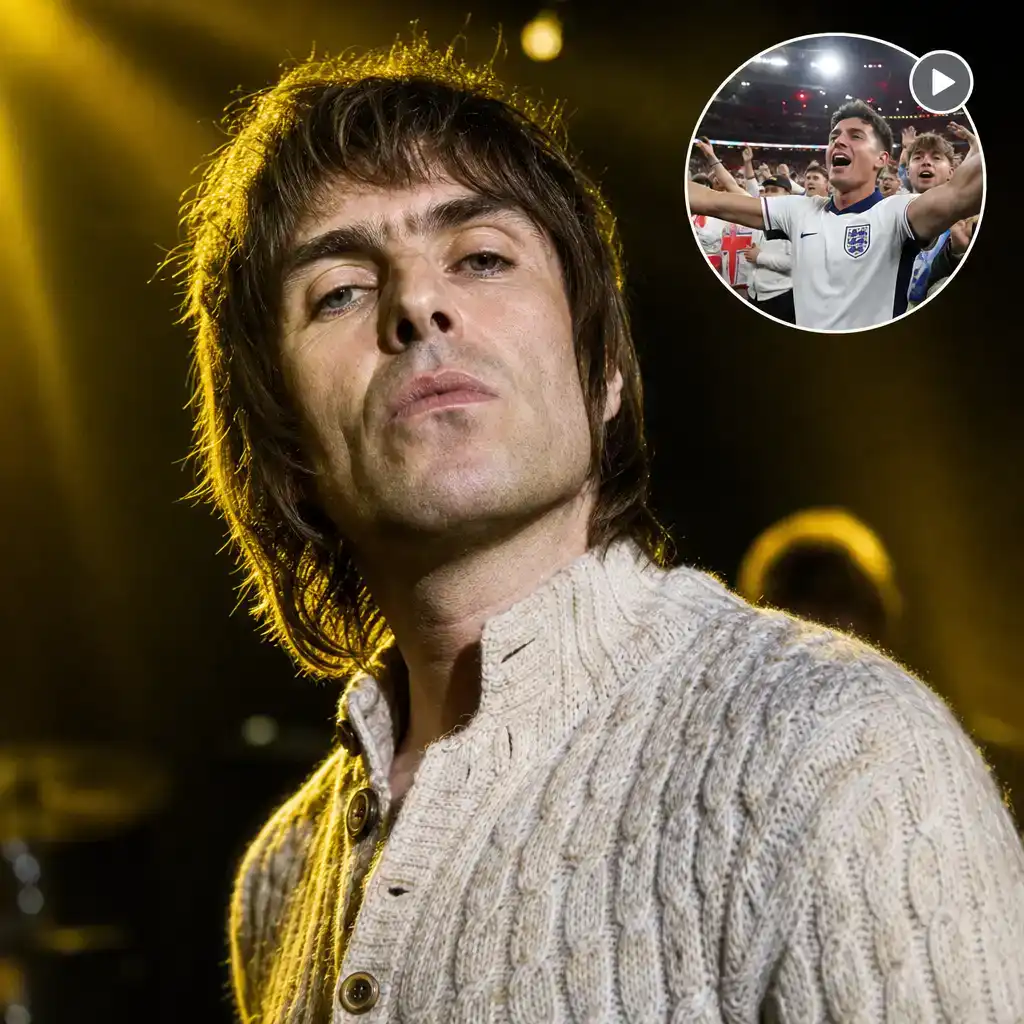
Wonderwall has become England’s go-to World Cup anthem after ringing around AT&T Stadium in Arlington, Texas, following the team’s 4-2 win over Croatia on Wednesday. The song came over the stadium speakers after full-time, and England supporters promptly turned it into a mass singalong for the players on the pitch.
Jude Bellingham, who had scored in the second half, joined in too. At that point, resistance was not really an option.
How Wonderwall took over after England’s win
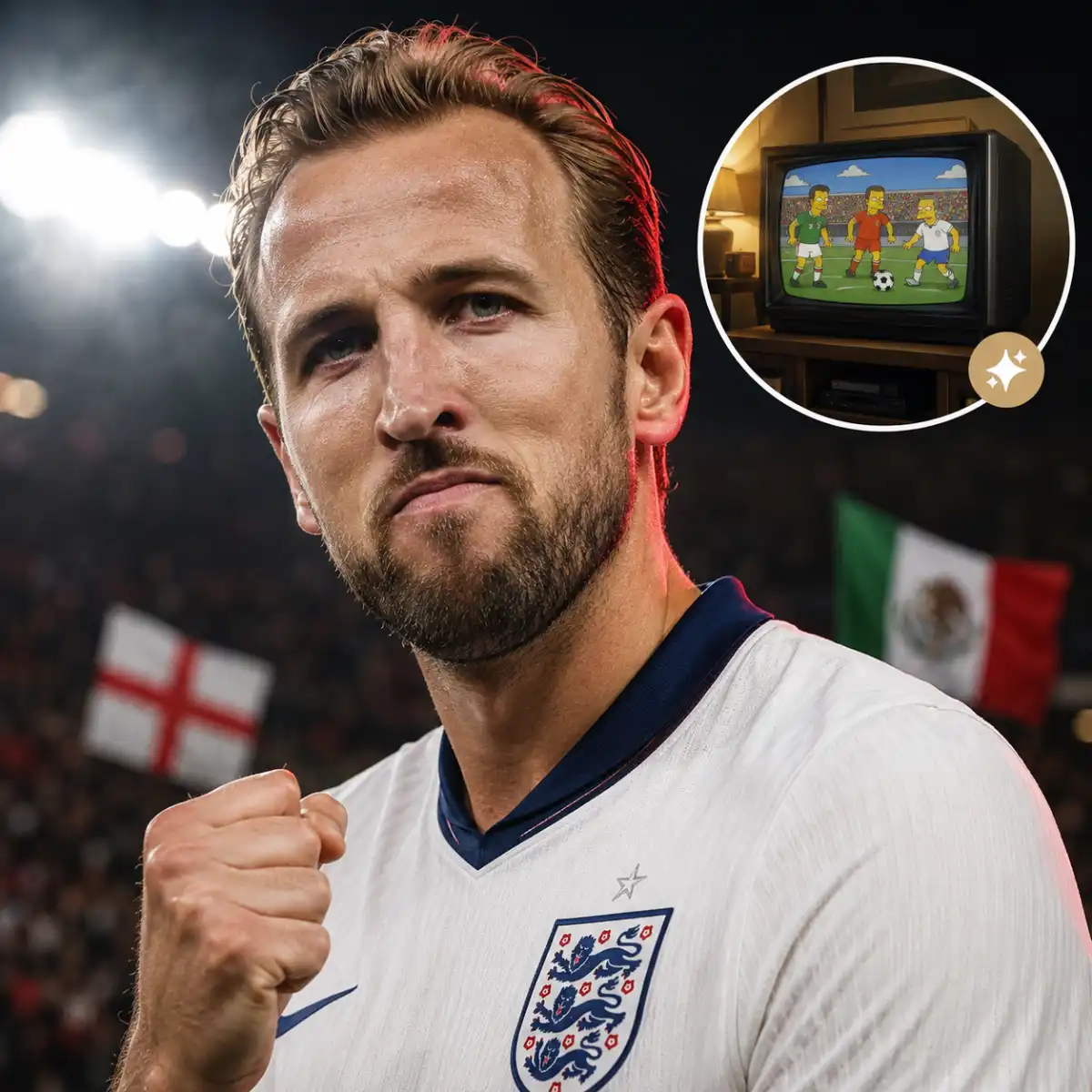
England’s victory came through a Harry Kane double, plus goals from Bellingham and Marcus Rashford. It was a strong result on a major tournament stage, which is usually where football crowds start looking for a song big enough to carry the feeling.
Wonderwall did the job. As the chorus rolled through the stadium, the England players stood in front of the travelling support and soaked it in. Kane, the England captain, looked visibly emotional as the crowd sang back at the team.
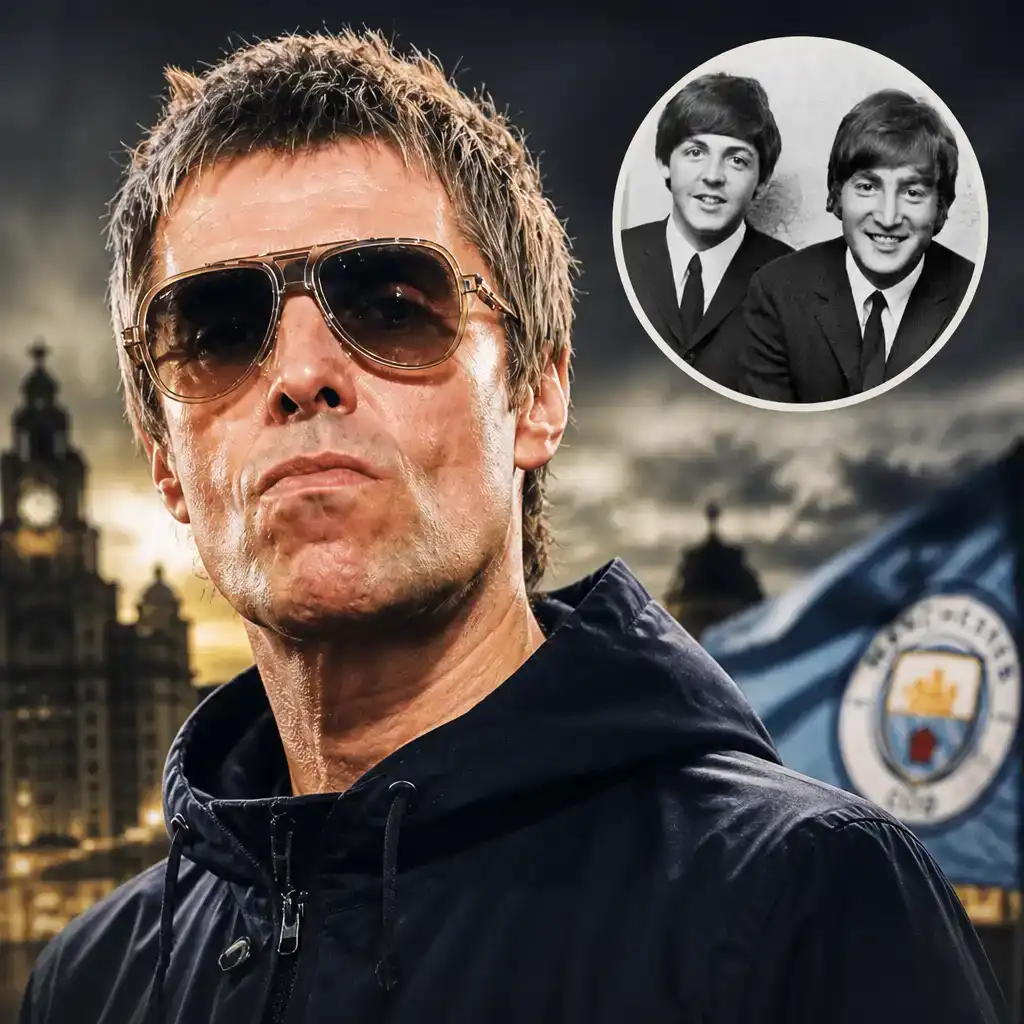
There was also a neat footballing footnote beside him. John Stones, who plays for Manchester City, stood nearby. Manchester City are, of course, the club supported by Liam Gallagher and Noel Gallagher. Sometimes football symbolism arrives with all the subtlety of a stadium PA system.
The moment landed partly because it was not a forced bit of tournament branding. It felt like a crowd choosing a song they already owned, even if Oasis might still technically have the publishing rights.
What songs are on England’s World Cup playlist?
Each country at the World Cup submitted a playlist of tracks they wanted played before and after matches. England’s selections included some fairly obvious crowd-pleasers, because this is not the moment for obscure B-sides and artistic restraint.
The list includes:
- Oasis’ Wonderwall
- The Beatles’ Hey Jude, often sung in honour of Jude Bellingham
- Neil Diamond’s Sweet Caroline
Sweet Caroline has already become a familiar soundtrack to England football celebrations in recent years. Hey Jude has an easy connection to Bellingham, whose name practically invites the chant. But Wonderwall seems to be cutting through in a different way, helped by the current wave of Oasis nostalgia.
That nostalgia has been hard to avoid since Liam and Noel announced their reunion for a major tour. Britain has been going through another round of Oasis fever, and England fans have now folded it neatly into the World Cup.
Why Oasis’ hit still works for a football crowd
Wonderwall was released in 1995 and, despite becoming one of the most recognisable British songs of the past three decades, it never reached number one in the UK. It peaked at number two, then kept returning to the charts over the years as if it had misplaced its coat and come back for another chorus.
Its staying power is easy enough to explain. The guitar line is simple, Liam’s vocal is instantly identifiable, and the lyrics sound big enough to attach almost any feeling to them. That makes it ideal for a football crowd, where precise harmony is less important than collective volume.
The song also occupies a strange place in the culture. Liam has previously compared it to John Lennon’s Imagine, in the sense that it exists somewhere between universal affection and universal irritation. He has admitted there have been times when he was sick of it, but has also accepted that the “song is bigger than us.”
That is probably true. Wonderwall belongs now to weddings, late-night taxis, student kitchens, festival fields and, apparently, England’s World Cup campaign.
John Stones once asked Noel Gallagher about the song
Stones’ connection to Oasis is not just a Manchester City coincidence. In 2018, he teamed up with Noel Gallagher to compile a playlist for NME, and both Don’t Look Back In Anger and Wonderwall appeared on it.
Stones said the team “always walk in” to Wonderwall. Noel, not exactly known for pretending to like everything, questioned the choice.
“Would you not prefer Rock And Roll Star? Wonderwall is a bit ‘end of the night, my bird’s left me’ and all that kind of thing. It doesn’t strike me as something you play before the derby,” he said.
Stones replied that people sang it who he “wouldn’t have expected to.”
Noel’s response was simple: “Well, I’m honoured.”
That exchange now looks oddly prophetic. A song Noel once considered slightly too melancholy for a derby has become the soundtrack to England players celebrating a World Cup win in Texas.
Why the song’s success still surprises Oasis
Part of the charm, and the comedy, is that Wonderwall’s popularity still seems to mildly bewilder the Gallagher brothers. For a song that missed the UK number one spot, it has become the Oasis track with the widest global reach.
Before the band’s comeback was announced, Rolling Stone estimated that Wonderwall was earning about $2,650, or roughly £2,000, in recorded-music royalties on Spotify every 24 hours. That works out at about $1 million a year from Spotify recorded-music royalties alone.
It also remains Oasis’ only major breakthrough in North America, standing as the band’s sole Top 10 hit on the US charts. That helps explain why it works in a World Cup stadium far from home. Even fans who do not know every Oasis album can usually find the chorus.
For England supporters, the song now sits alongside the team’s more recent football staples. It is familiar, emotional, easy to sing and just dramatic enough for a post-match moment. In other words, it does exactly what a football anthem needs to do, even if Noel might still prefer Rock And Roll Star.