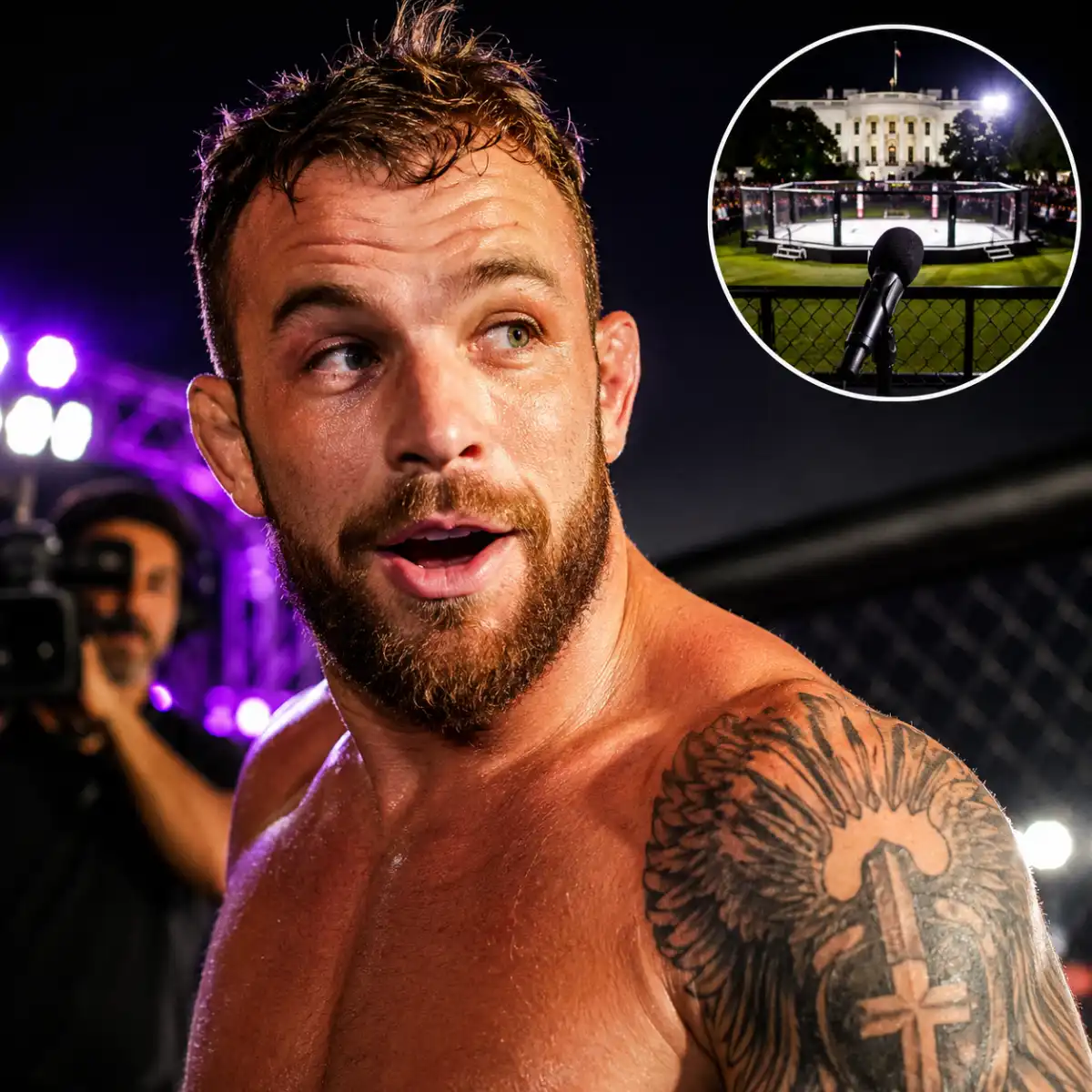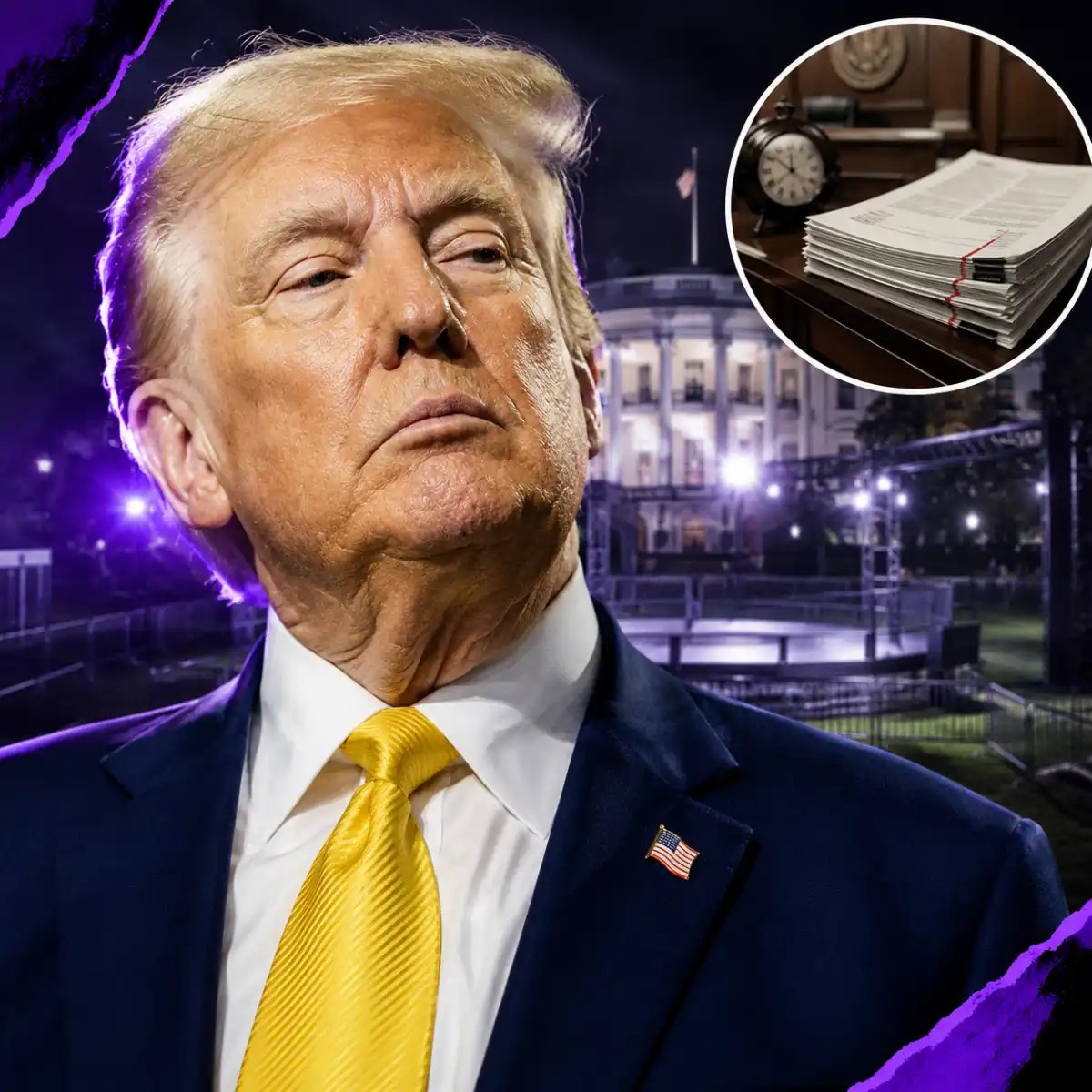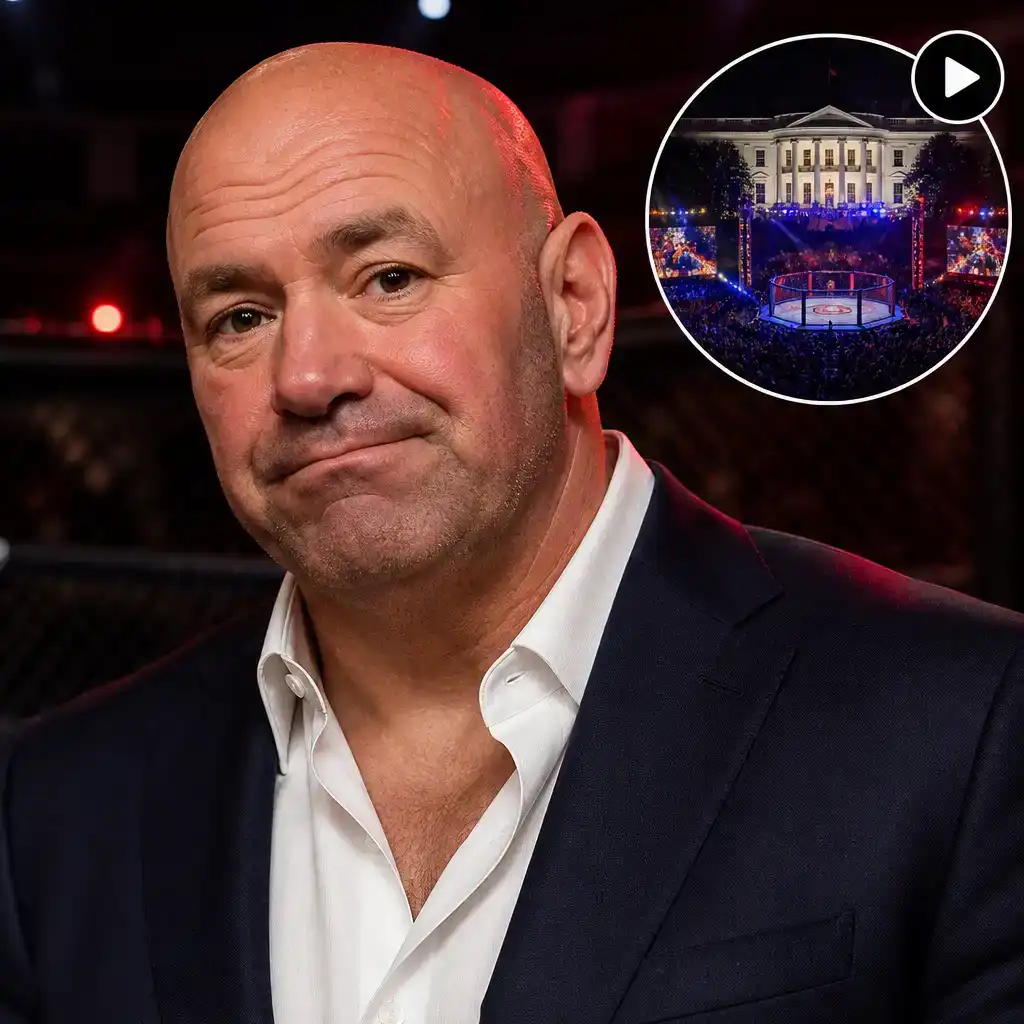
The UFC Freedom 250 event at the White House generated an estimated $30 million loss for TKO Group, confirming the financial hit the company had expected from the unusually elaborate production. The figure was not an unexpected overrun, but it shows the price of staging a showcase fight card on the South Lawn rather than in a conventional arena.
TKO Chief Financial Officer Andrew Schleimer told investors on Monday that costs were significantly higher than for a normal UFC event. Sponsorship sales covered part of the bill, but not enough to prevent the loss from weighing on UFC and group-wide profit margins.
Why did the White House event cost so much?
The Associated Press and The Washington Post reported that UFC spent about $60 million to stage Freedom 250. That included construction of a temporary outdoor arena, weather contingencies and coordination with at least seven federal agencies.
The South Lawn venue seated roughly 4,000 people. A separate fan festival on the Ellipse was free to attend. Reports before the event said wealthy guests could buy premium access packages, with some reportedly priced at $1.5 million. UFC sources confirmed to BBC Sport that such packages existed but did not verify the reported price.
Front Office Sports reported that UFC expected to recover about half of its spending through media rights, sponsorships and other revenue. Schleimer said the company had sold out its available global partnership inventory.
“Given the event’s profile, which as anticipated, resulted in an approximate $30m loss, our margins at UFC as well as on a consolidated basis were meaningfully impacted,” he told investors.
The loss amounted to about 5.6% of UFC’s reported quarterly revenue of $535.7 million. That makes it substantial, though hardly an existential problem for a business operating under a multibillion-dollar media agreement.
How many people watched Freedom 250?
UFC said the event reached an estimated 34 million total global viewers, making it one of the most widely seen mixed martial arts cards. That figure needs some qualification.
It was not an average worldwide audience, as some early reports described it. UFC’s total included modeled viewing estimates in certain markets. The promotion reported an average U.S. audience of seven million and 17 million total viewers across Paramount+ in the United States and Latin America.
UFC also credited the event with:
- An estimated $1.1 billion in broadcast and online media value
- 126 billion social-media views
- Five billion social-media engagements
- 536,000 new followers
- Merchandise sales twice as high as its previous record
Those are UFC’s own estimates, and promotional media value is not revenue. Still, the figures help explain why TKO treated the event partly as an audience-building exercise rather than a conventional fight card expected to turn an immediate profit.
UFC President Dana White told Front Office Sports that Paramount Chief Executive David Ellison was pleased with the event’s effect on streaming. The card was shown exclusively on Paramount+, giving the platform a prominent early showcase for its relationship with UFC.
Was the loss part of a larger media strategy?
TKO previously described the production as a strategic investment intended to attract Paramount+ subscribers and introduce more viewers to UFC programming. In that context, the $30 million loss functioned partly as a customer-acquisition and global marketing expense.
TKO signed a seven-year, $7.7 billion U.S. media-rights agreement with Paramount in 2025, with the company becoming UFC’s new American broadcast home in 2026. UFC’s second-quarter revenue rose 29% from the same period a year earlier to $535.7 million.
That increase included an additional $64.7 million in media-rights revenue, driven by the Paramount agreement. The financial picture is therefore mixed: one unusually expensive event reduced quarterly margins, while the broader broadcast deal continued to lift revenue.
White described the White House production as “amazing,” but he was less enthusiastic about repeating the exercise. Citing the cost, outdoor weather risks and logistical demands, he told the Associated Press: “I’ll never do the Sphere again and we’ll never do this again.”
The comment suggests Freedom 250 was designed as a one-off spectacle, not a new business model. Temporary arenas at federal landmarks are apparently not the easiest route to predictable margins.
What political questions did the event raise?
The card coincided with President Donald Trump’s 80th birthday and drew attention because of his long friendship with White. It also blurred the boundary between a commercial sports promotion and an event staged on prominent public property.
Reuters reported that Trump purchased between $15,001 and $50,000 in TKO shares while publicly promoting the event. A federal lawsuit alleged that the use of White House grounds improperly benefited Trump and UFC.
U.S. District Judge Amit Mehta declined to block the event. That ruling allowed it to proceed but did not turn the commercial and ethical questions into a financial footnote.
For TKO, the enforceable outcome is straightforward: the event happened, the company absorbed approximately $30 million in losses, and no repeat is planned. The harder-to-measure return lies in subscriptions, global exposure and future audience growth, all of which may be valuable but are less definite than the cost already recorded.