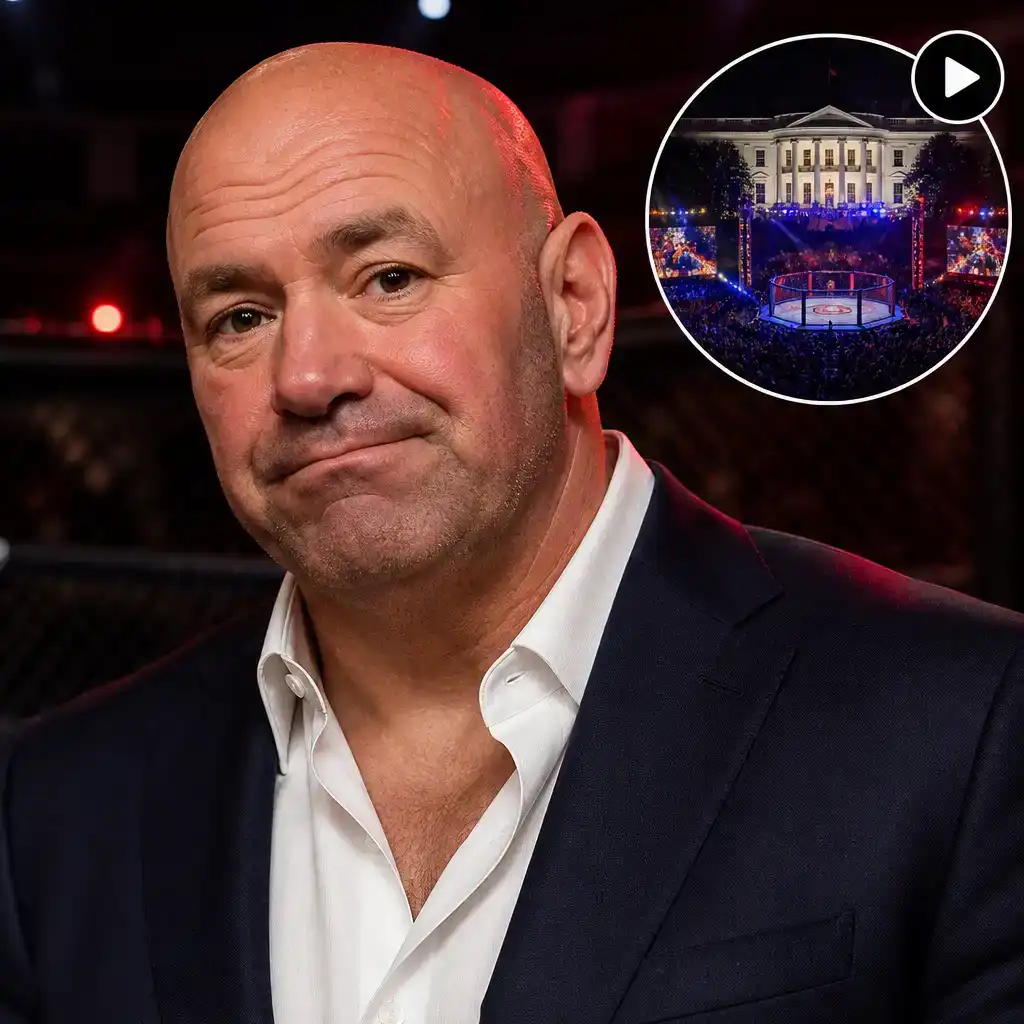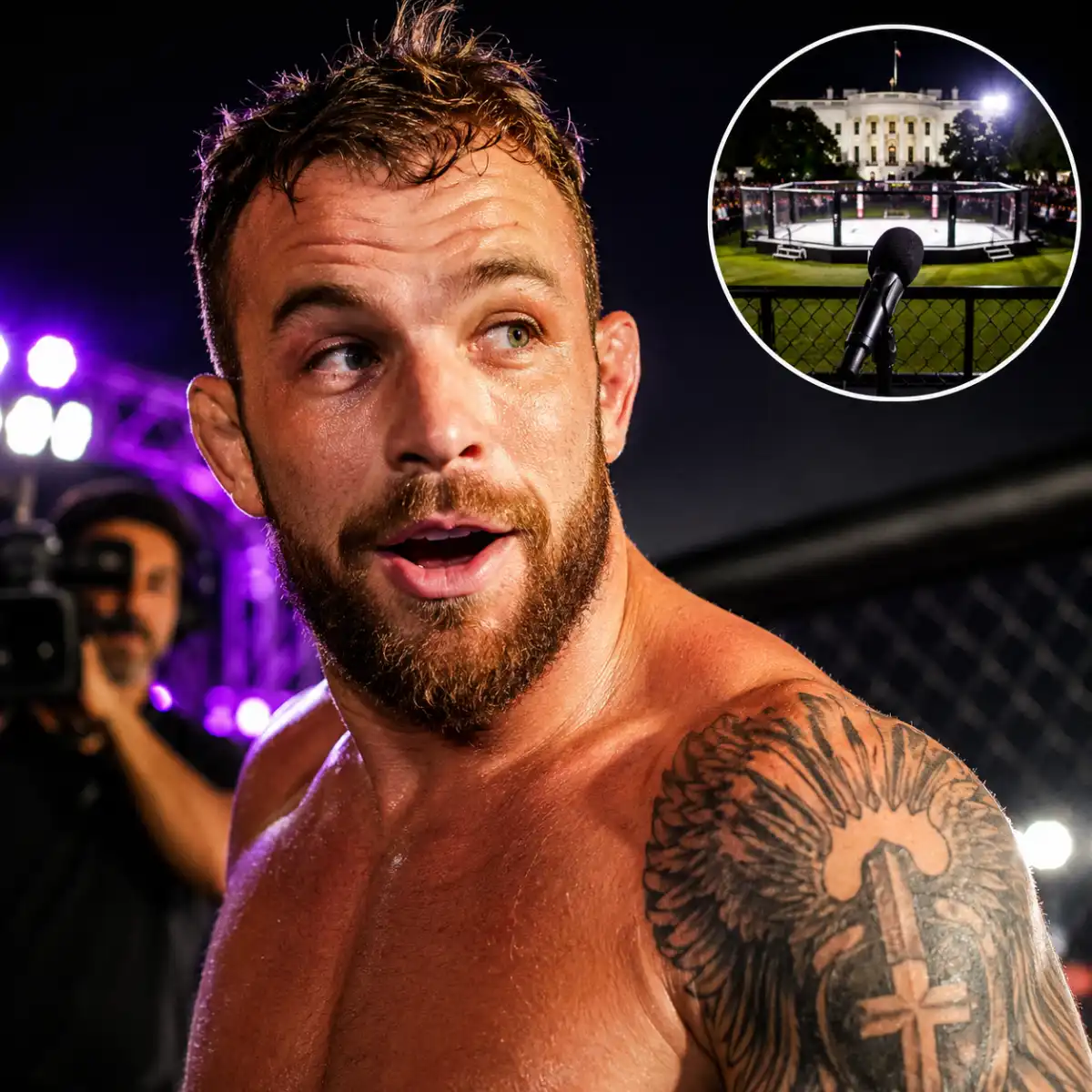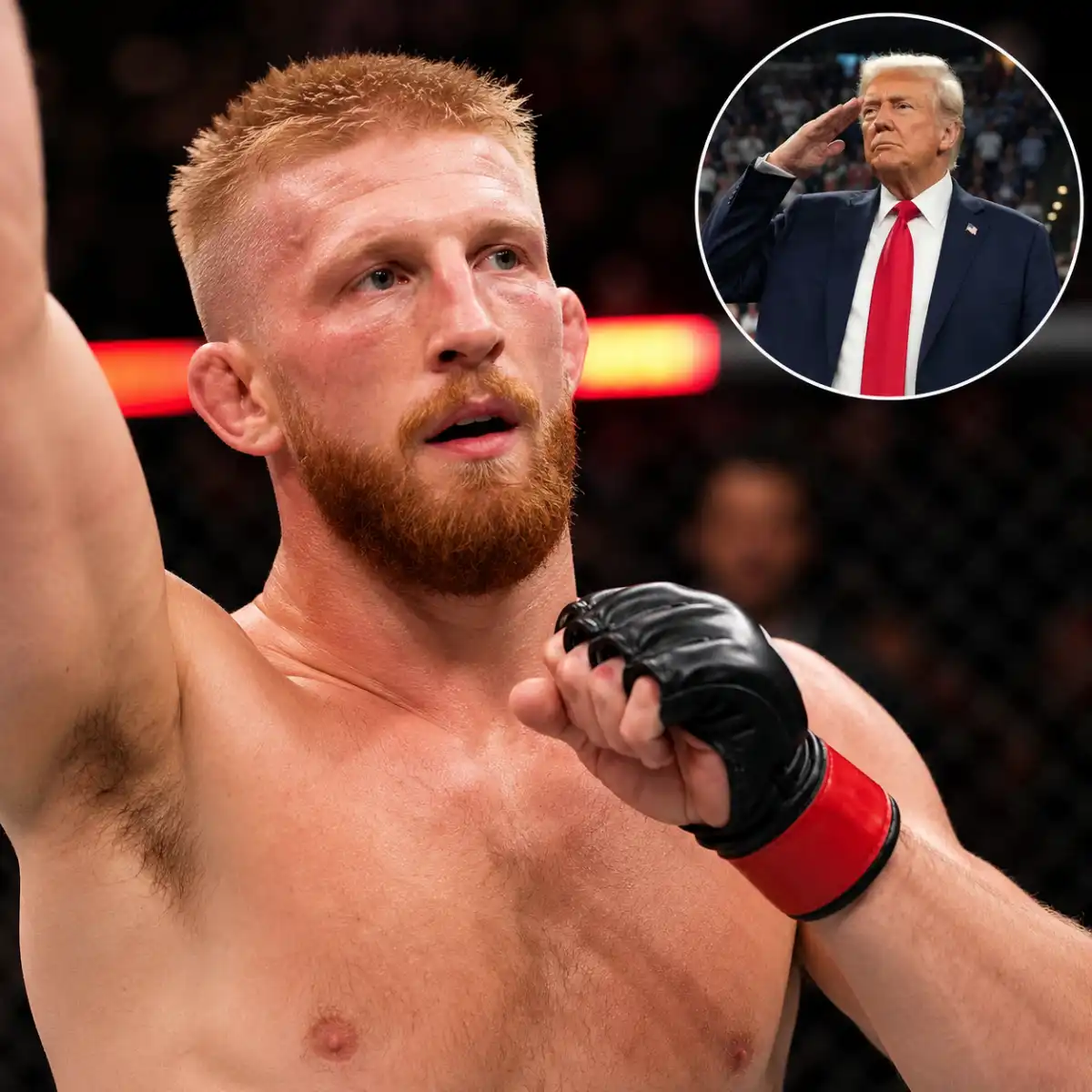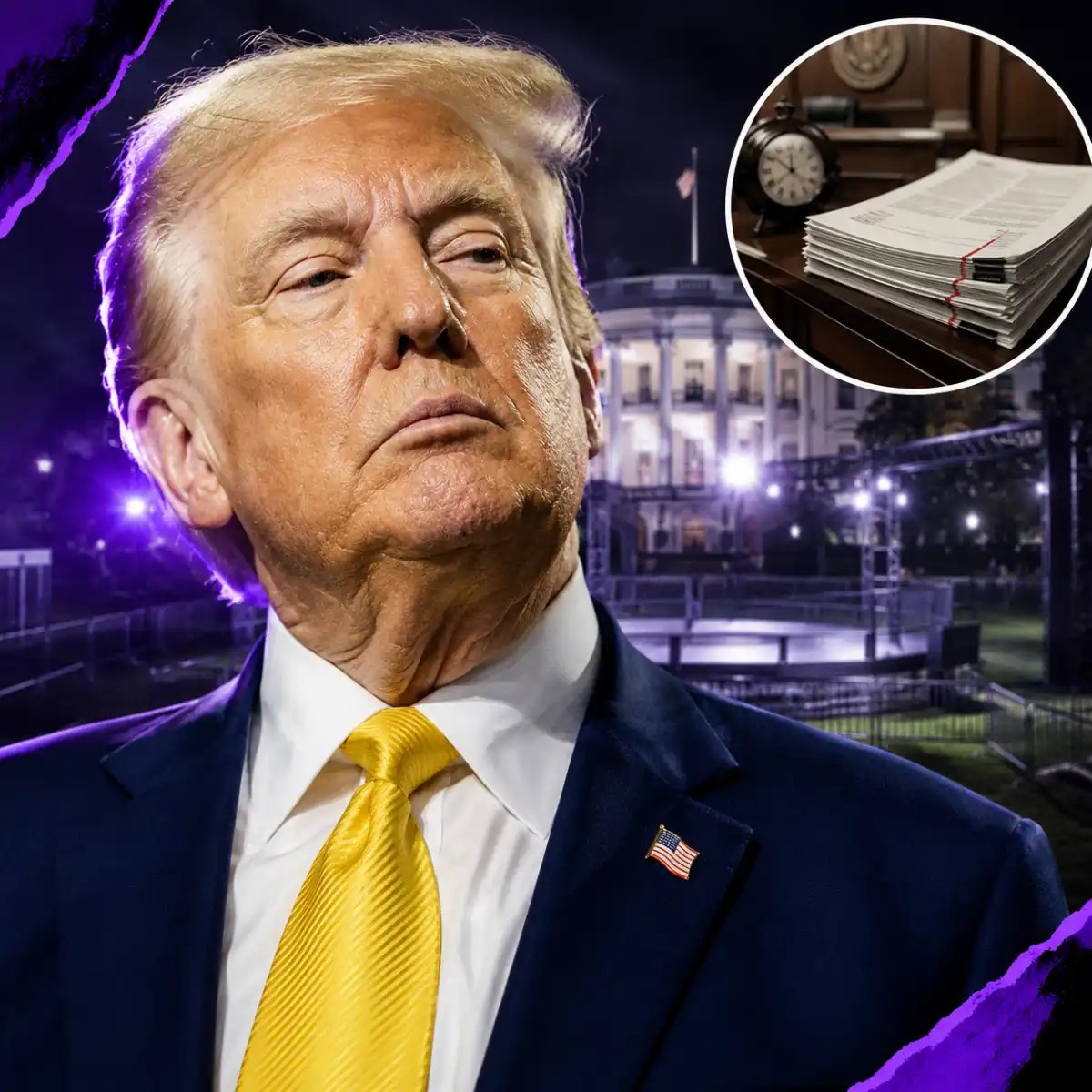
The Trump administration is asking a federal court to let UFC Freedom 250 go ahead on the White House lawn this weekend, arguing that a lawsuit trying to stop the event arrived far too late in the fight card to change the outcome.
Two Virginia residents sued the National Park Service and the Department of the Interior earlier this week, seeking an emergency injunction to block the mixed martial arts event. In their filing, they described the planned White House UFC show as “deeply corrupt” and asked a judge to halt it before the first bout.
Why the administration says the lawsuit is too late
In its response, the administration is leaning heavily on timing. The government says the event has been in development for roughly a year, while the plaintiffs waited until the final days before the scheduled weekend event to take legal action.
That timing, officials argue, matters because an emergency injunction would not simply cancel a few folding chairs and a broadcast cue sheet. According to the government, more than $60 million and tens of thousands of labor hours have already gone into preparing UFC Freedom 250.
The administration says stopping the event now would impose major financial losses on the federal government. That is the central pitch to the court: whatever objections the plaintiffs have, the government argues they should not be allowed to detonate a year of planning at the last possible moment.
How the White House lawn argument is being framed
The administration is also pushing back on the idea that staging a major public-facing event on White House grounds is unusual in itself. In its filing, it points to previous events hosted there by past presidents.
Among the examples cited:
- Former President Joe Biden hosted an Elton John concert at the White House in 2022.
- President Andrew Johnson held a baseball game on the lawn in 1865.
The comparison is doing a lot of work. A UFC event is not an Elton John concert, unless the piano has become much more aggressive since anyone last checked. But the administration’s legal point is that the grounds have long been used for public events, including entertainment and sports-adjacent gatherings.
By citing those precedents, the government is arguing that UFC Freedom 250 fits within a broader history of White House lawn events, rather than standing as some unprecedented breach of civic decorum.
What the plaintiffs want from the court
The two Virginia residents are asking the judge for emergency relief, specifically an injunction that would prevent the National Park Service and the Department of the Interior from allowing the event to proceed.
The original lawsuit characterizes the fight as corrupt and seeks to force a stop before the weekend. The administration’s response does not appear, based on the filing, to focus first on defending the cultural merits of hosting UFC at the White House. Instead, it is making the more practical courtroom argument: the train, or in this case the octagon, is already built.
For the government, the late filing is the key issue. Courts weighing emergency injunctions often consider whether the party asking for relief acted quickly and whether stopping an event would cause significant harm. The administration is clearly trying to frame both factors in its favor.
What happens next
The government is asking the court to deny the emergency injunction and allow UFC Freedom 250 to take place as scheduled this weekend.
That leaves the judge with a compressed decision: accept the plaintiffs’ request and freeze the event at the eleventh hour, or side with the administration’s argument that the legal challenge came too late to justify the disruption.
Either way, the case has turned a planned White House spectacle into a second contest outside the cage, with the main event less about takedowns and more about deadlines, precedent, and who pays when a massive production is stopped at the door.