For streamers, viewer counts are not just numbers on a dashboard. They affect reputation, business, and trying to look successful online. Now, Twitch viewer caps aimed at suspected viewbotting were hit hard, with FaZe Banks, Mitch Jones, Cyr, and others seeing sharp drops after the platform’s latest enforcement change.
In early May 2026, Twitch said it would limit the displayed viewership of channels it suspected of using viewbots, meaning automated software used to inflate audience numbers. By May 29, the system appeared to be in effect, and Streams Charts was already tracking major changes across several well-known broadcasters.
Which streamers saw major drops after the cap
Streams Charts highlighted steep declines for FaZe Banks, Cyr, and Mitch Jones after Twitch’s anti-botting measure appeared to take effect.
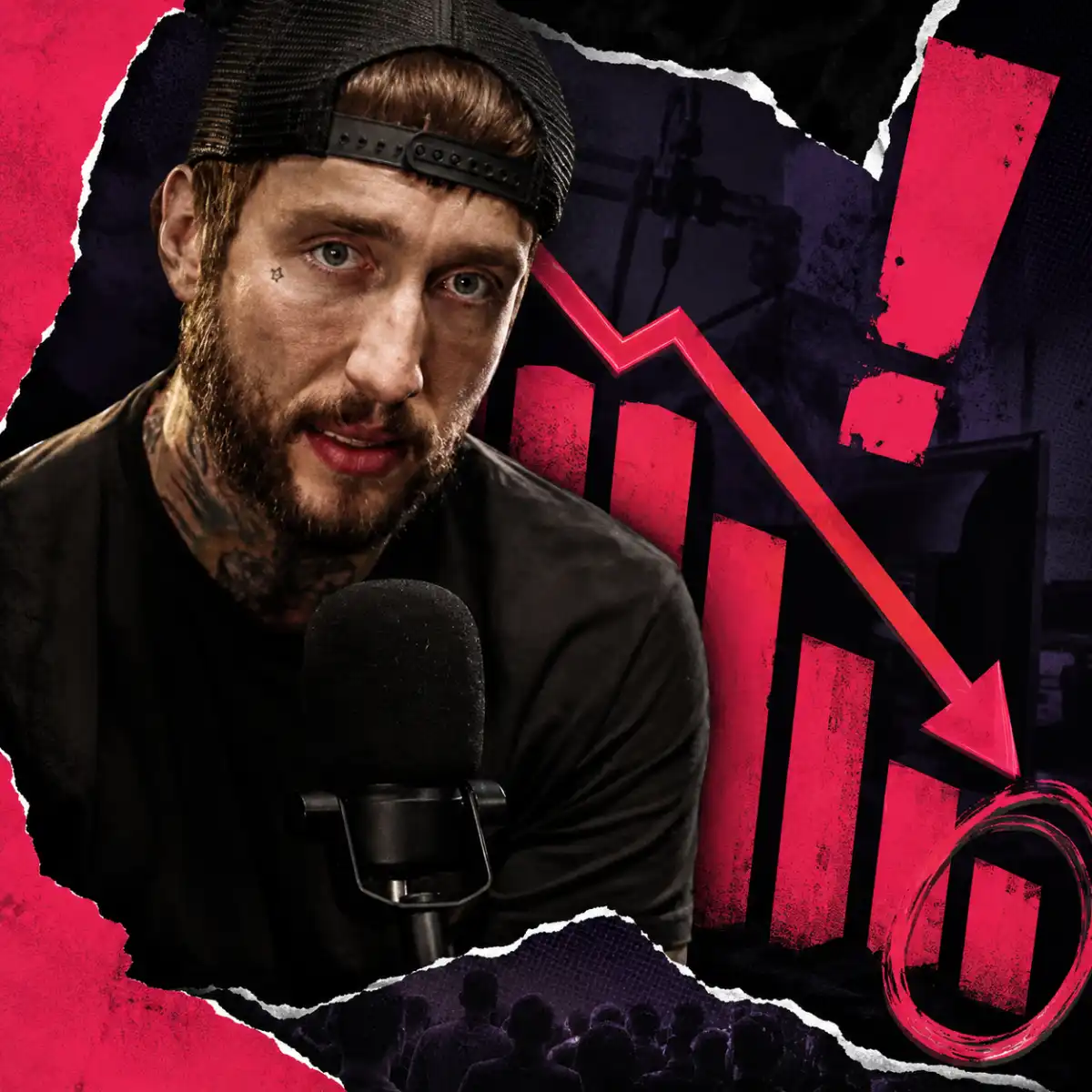
Banks went live on May 28 for the first time in a week, and his numbers looked very different. According to the data, he fell from a reported peak of 49,000 average viewers to 2,293 after the change. That is not a dip. It is a cliff with branding.
His stream, titled “Emergency Meeting,” lasted under 40 minutes. During it, Banks told viewers he wanted to appear on stream to show he was still committed to his new podcast, “Market Bubble.”
Other broadcasters also saw their numbers shrink. Cyr, a member of OTK, reportedly dropped from a usual range of about 2,000 to 4,000 average viewers to around 1,200. Longtime streamer Mitch Jones went from roughly 12,000 average viewers on May 27 to just under 3,000 the following day.
Why Mitch Jones pushed back publicly
Mitch Jones was one of the clearest voices against Twitch’s view-capping plan, arguing that the policy could punish streamers even if they are not responsible for suspicious traffic on their channels.
During a May 28 stream, He was worried the system could make harassment worse.
“I’m being fked here,” he said. “They capped me at 3K. I have more than 3K! This is ridiculous. This incentives people that don’t like me to just viewbot me so I get fking capped. That’s all this does. I know for a fact everything I’ve been doing is legit.”
He continued: “I honestly might switch platforms. This is ridiculous. …why am I being used as a guinea pig?”
His concern points to a messy problem for Twitch. Viewbotting can be done by streamers trying to inflate their own popularity, but it can also be done by outside actors trying to cause trouble. In other words, a channel’s suspicious traffic is not always proof of the streamer’s intent.
Twitch is keeping its enforcement details quiet
Twitch has not publicly confirmed that any of the named streamers were viewbotting. The company has also said it will not share details about how it enforces channel view caps, likely to avoid giving bad actors a guidebook. That may make sense from a platform security standpoint, but it leaves affected streamers with very little clarity.
The change has already stirred debate across the livestreaming world. Kick co-founder Bijan Tehrani responded by suggesting Twitch should instead “kill discoverability” for channels suspected of botting, rather than capping their visible viewer counts.
Twitch Chief Executive Officer Dan Clancy has also addressed concerns from smaller creators who feared bot-assisted channels were pushing them out of recommendations and discovery areas. Clancy argued that view bots do not actually help offending broadcasters get discovered.
For viewers, the drama is partly about numbers. For streamers, it is more personal. A sudden drop can look like exposure, punishment, or a technical mystery, depending on where you sit. Twitch’s challenge now is enforcing against fake engagement without turning every suspicious spike into a public trial by dashboard.