The short version: Tupac Shakur’s likeness is in the game, and his estate signed off on it. That detail matters, because there is a fairly wide emotional and ethical gap between “licensed appearance” and “digital afterlife as a business model.” Gaming, somehow, has made that gap feel even stranger.
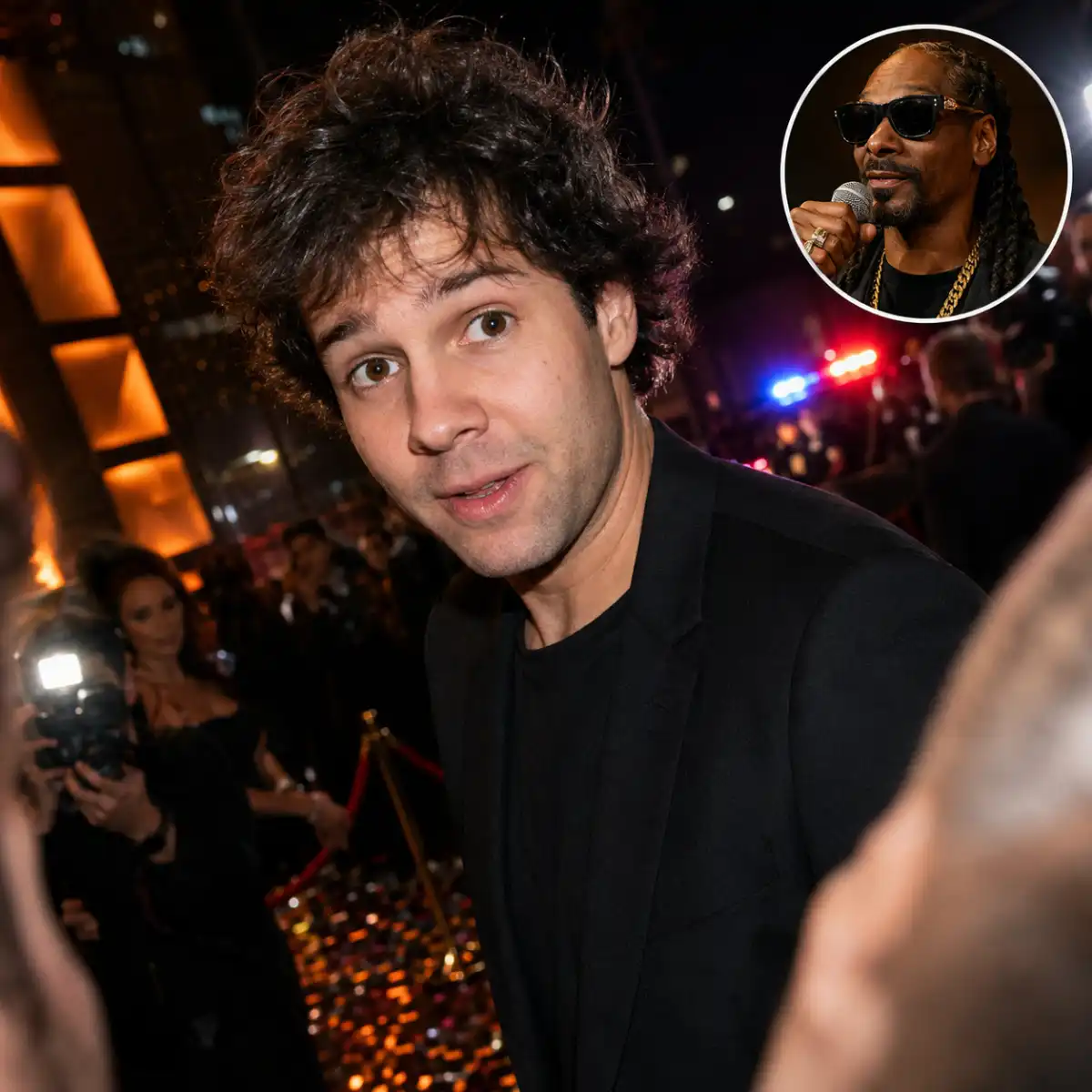
RGG executive director Masayoshi Yokoyama announced the cameo during Summer Game Fest, where the studio also confirmed the game’s release date: January 15, 2027. Snoop Dogg, who was already confirmed for the project, appeared at the event as well and explained that Shakur’s presence in the trailer came with the approval of the late artist’s estate.
What was announced at Summer Game Fest?
Yokoyama introduced a new trailer for Stranger Than Heaven, the next major project from the developers behind the Like A Dragon and Yakuza series. The game is already drawing attention for its period-hopping story, which moves through different decades of 20th-century Japan.
The new detail, naturally, is the inclusion of Tupac Shakur, whose likeness appears digitally in the game. Shakur died in 1996, roughly nine years before the first Yakuza game came out, which makes the reveal feel like a timeline glitch. Not a legal one, apparently, but a human one.
Snoop Dogg’s involvement had already given the game an unexpected celebrity angle. Adding Shakur’s image pushes it into more complicated territory, even with estate approval. For some players, that blessing will settle the issue. For others, the question will be less about permission and more about taste, tone, and what exactly the studio plans to do with the likeness.
Why the Tupac cameo raises questions
Shakur’s estate approved the use of his likeness. That is not a small footnote. It is the dividing line between an unauthorized stunt and an officially sanctioned appearance.
Still, the reveal arrives at a moment when digital recreations of late performers are being watched closely across film, television, music, and games. If Stranger Than Heaven simply uses Shakur’s appearance as the basis for a fictional character, the way RGG has handled some likeness casting before, it may land as odd but manageable. If the game uses synthetic voice work or tries to simulate Shakur as a speaking, acting version of himself, the conversation will become much louder, and probably not more relaxed.
That distinction is important because audiences are becoming more sensitive to how deceased artists are brought back into commercial work. Consent from an estate answers one part of the question. It does not always answer whether viewers or players will feel comfortable watching it happen.
He is not the only late performer in the game
Shakur is not the first deceased public figure confirmed for Stranger Than Heaven. Japanese actor Bunta Sugawara, who died in 2014, is also set to appear in the game with his family’s consent.
Sugawara’s inclusion fits more neatly into RGG Studio’s long-running habit of building characters around recognizable actors and public figures. The studio has frequently leaned on likeness casting to give its crime dramas a cinematic texture. The results can be memorable, but they also make every casting choice feel loaded, especially when the person involved is no longer alive to speak for themselves.
That is where Stranger Than Heaven becomes more than a flashy trailer reveal. It is also a test of how much distance audiences are willing to accept between homage, licensing, and digital resurrection. A video game can be respectful and still uncanny. Sometimes both things are true at once, because apparently one complication was not enough.
What is Stranger Than Heaven about?
Beyond the celebrity cameos, Stranger Than Heaven has a big piece of franchise history at its center. The game follows Makoto Daito, a half-Japanese, half-American protagonist whose story eventually leads to the founding of the Tojo Clan.
For longtime Like A Dragon and Yakuza players, that name carries real weight. The Tojo Clan is the powerful yakuza organization tied to Kazuma Kiryu, one of the series’ defining characters. By moving back into earlier decades, the game appears to be building an origin story for one of the franchise’s most important institutions.
The premise also includes band management, street fighting, and movement across multiple eras of Japanese history, which is exactly the kind of genre mixture RGG Studio tends to treat as perfectly normal. The studio has made a brand out of melodrama, crime, side activities, and emotional whiplash, so the tonal range is not the surprising part. The surprise is who, living or otherwise, is now part of it.
The release date is now set
Stranger Than Heaven is scheduled to launch on January 15, 2027. That gives RGG Studio plenty of time to clarify how Shakur and Sugawara are being used, and whether their appearances are limited to likeness-based characters or something more technically ambitious.
For now, the announcement leaves players with two things to process: a firm release date and a casting reveal that is likely to keep generating debate. The game’s story sounds genuinely intriguing, especially for anyone invested in the origins of the Tojo Clan. But its use of late performers may become just as central to the conversation as its plot, combat, or setting.
That is a strange place for a crime saga to be. Then again, this is the series that has never been especially interested in choosing one tone and staying there.