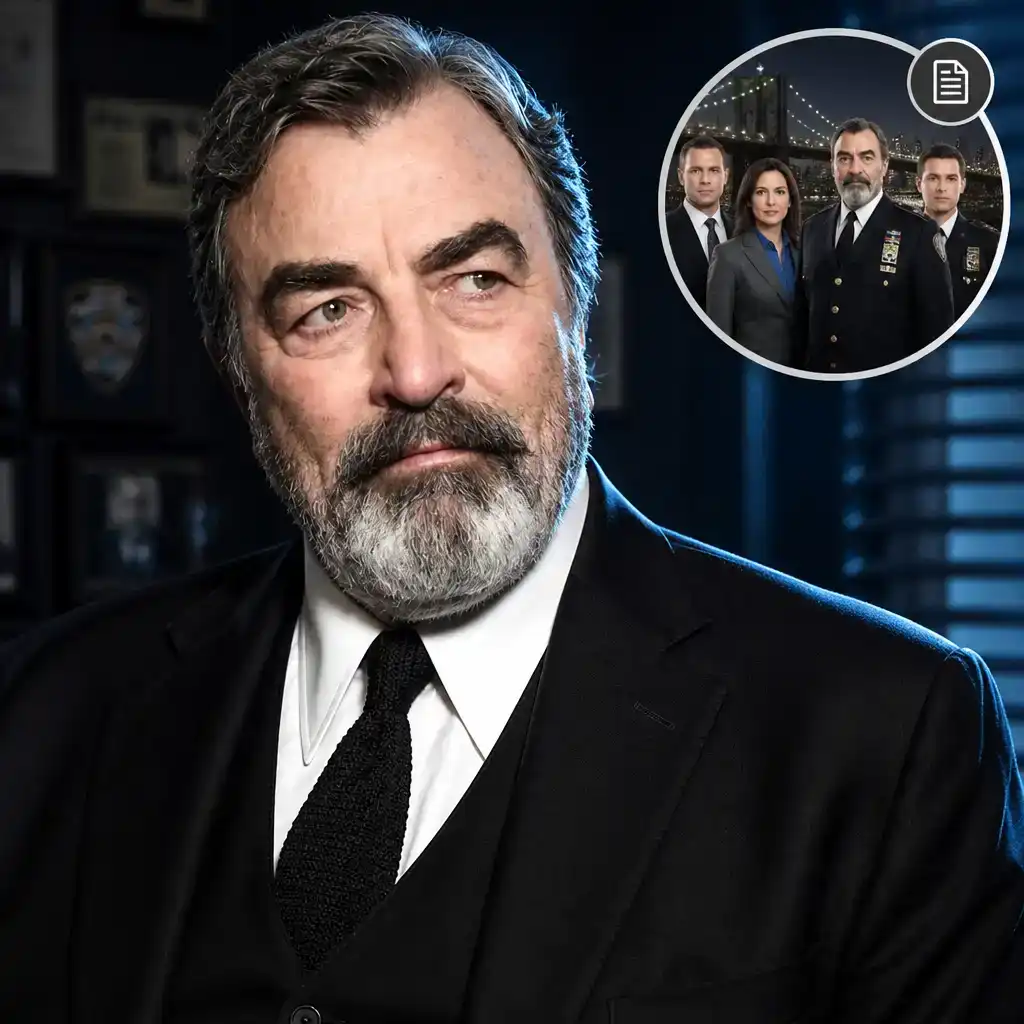
Tom Selleck says the Blue Bloods pay cut was part of a wider effort by the cast to save the long-running police drama. Before CBS ended the series with its 14th season, he and his costars had already accepted 25 percent less money and were willing to make other concessions to continue.
Speaking during a live taping of Ted Danson’s Where Everybody Knows Your Name podcast, published July 28, Selleck said the decision remained frustrating because the cast was united and the show was still performing strongly.
Why the cast accepted lower salaries
“The real truth to that is in the last year of Blue Bloods, at our last family dinner, everybody wanted to come back,” Selleck said. “We’d already taken a 25 percent cut in salary.”
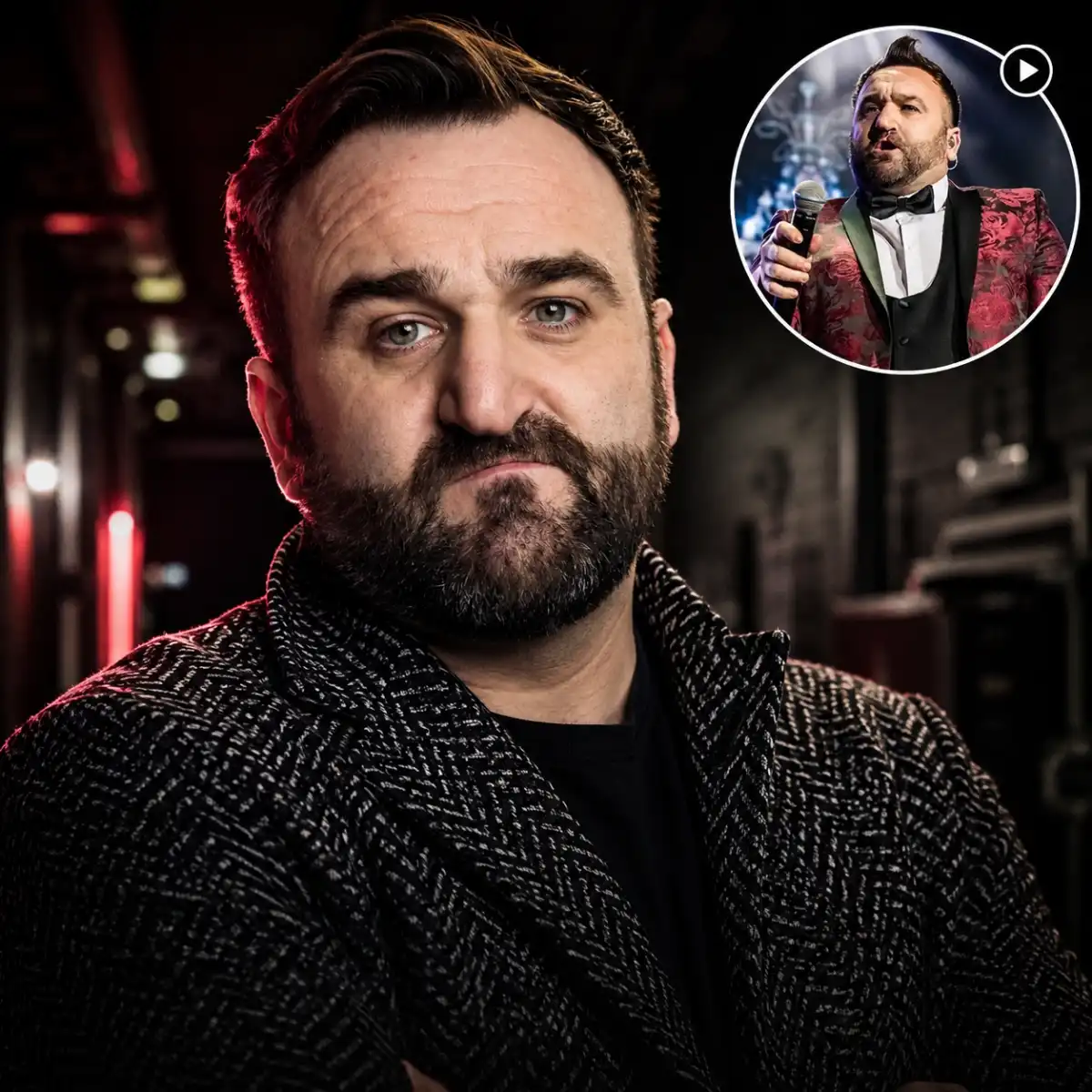
The ensemble included Donnie Wahlberg, Bridget Moynahan and Len Cariou, many of whom had worked together since the series premiered in 2010. Selleck said they agreed to “all sorts of things to keep the show going,” reflecting how closely the cast had come to identify with a production they regarded as a “labor of love.”
“Nobody wanted to leave. Everybody was gonna stay on,” the former Magnum P.I. star said. “That’s hard to get. It may be some kind of record to have the same cast intact for that length of time.”
That continuity mattered to viewers as well. The drama was built around the Reagan family, not simply its weekly cases, and its regular family dinner scenes gave the cast’s real-life longevity an unusually visible place on screen.
Why the cancellation still frustrates Selleck
CBS announced in 2023 that Blue Bloods would conclude with its 14th season. Selleck argued that the ending felt premature, particularly because the procedural remained one of broadcast television’s stronger performers late in its run.
“Out of the top 100 shows on broadcast television, Blue Bloods was number six in our 15th year,” he said.
The series followed New York City Police Commissioner Frank Reagan, played by Selleck, and several generations of his family working across law enforcement and the legal system. Its appeal depended heavily on that familiar ensemble, making the cancellation more than an ordinary job loss for cast members who had spent well over a decade together.
Selleck remembers a notably stable set
Despite his disappointment over how the series ended, Selleck spoke warmly about the experience of making it. He contrasted the production with television sets where status battles and personality conflicts can make long-running work difficult.
“A lot of shows become miserable to work on,” he said. “You get a lot of egos and ‘I’m not coming out of my dressing room until he’s coming out’ and it’s miserable.”
By his account, Blue Bloods avoided that fate. The actors wanted to return, the audience was still watching, and the cast had already agreed to earn less. None of it changed the network’s decision, but it helps explain why Selleck continues to view the ending as a loss rather than a natural conclusion.