The Tom Hardy Mad Max feud is back in the conversation as people revisit new reporting around a firing connected to MobLand, Hardy’s recent crime drama. The two stories are not the same, but they do sit in the same uncomfortable corner of entertainment news: what happens when pressure, power and personality collide on a set where everyone is already working at full heat.
What happened between Tom Hardy and Charlize Theron on Mad Max: Fury Road?
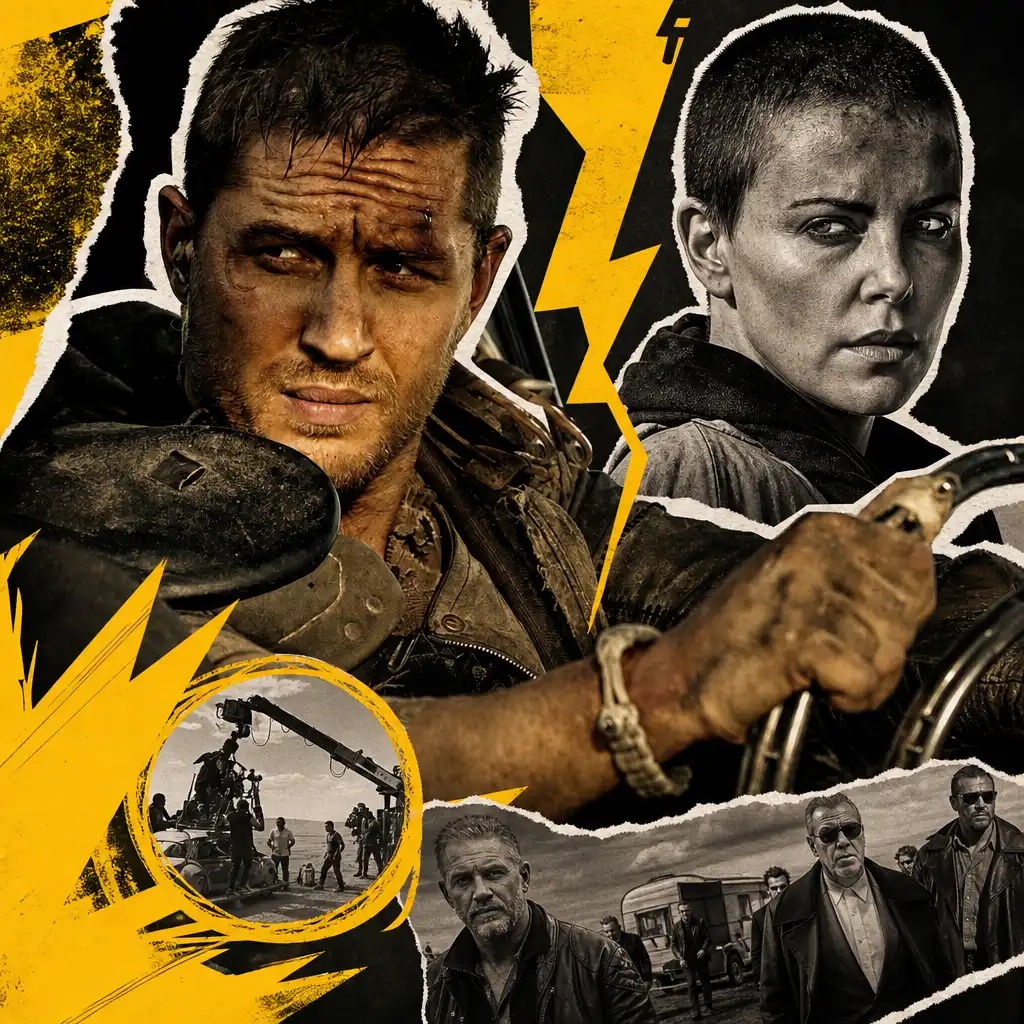
Hardy and Charlize Theron starred opposite each other in George Miller’s 2015 film Mad Max: Fury Road, with Hardy taking over the role of Max Rockatansky and Theron playing Imperator Furiosa. The movie became a critical and awards-season force, but the shoot itself have been described as brutal.
Much of the best-known detail comes from the book Blood, Sweat & Chrome: The Wild and True Story of Mad Max: Fury Road by Kyle Buchanan, which collected accounts from the cast and crew.
The tension between Hardy and Theron was not presented as a small creative disagreement. Crew members and the actors themselves described a difficult working relationship during a shoot marked by long days, remote locations and the kind of logistical stress that makes glamour look like a clerical error.
One widely reported flashpoint involved Hardy arriving late to set while Theron was already in costume and makeup. Camera operator Mark Goellnicht said Theron confronted Hardy after the delay and called for him to be fined, reportedly saying: “Fine the fing c a hundred thousand dollars for every minute that he’s held up this crew.”
According to Goellnicht, Hardy responded by moving toward her and asking: “What did you say to me?” Theron later said the exchange left her feeling unsafe.
How did the actors describe the conflict later?
Theron has spoken about the strain of the shoot with some reflection rather than a clean attempt to win the argument years later. In the same oral history, she said: “I was in survival mode; I was really scared s***less.”
She also acknowledged that fear and pressure affected the way she handled the situation, saying: “I think because of my own fear, we were putting up walls to protect ourselves instead of saying to each other, ‘This is scary for you and it’s scary for me, too. Let’s be nice to each other.’ In a weird way, we were functioning like our characters: everything was about survival.”
Hardy also looked back on the situation critically. He admitted he was under intense pressure and suggested he had not been the kind of scene partner Theron needed at the time.
“In hindsight, I was in over my head in many ways,” Hardy said. “The pressure on both of us was overwhelming at times. What she needed was a better, perhaps more experienced partner in me. That’s something that can’t be faked.”
That is not exactly a red carpet anecdote, but it is unusually direct by Hollywood standards, where everyone often discovers “creative differences” only after the publicist arrives.
Why is MobLand now part of the conversation?
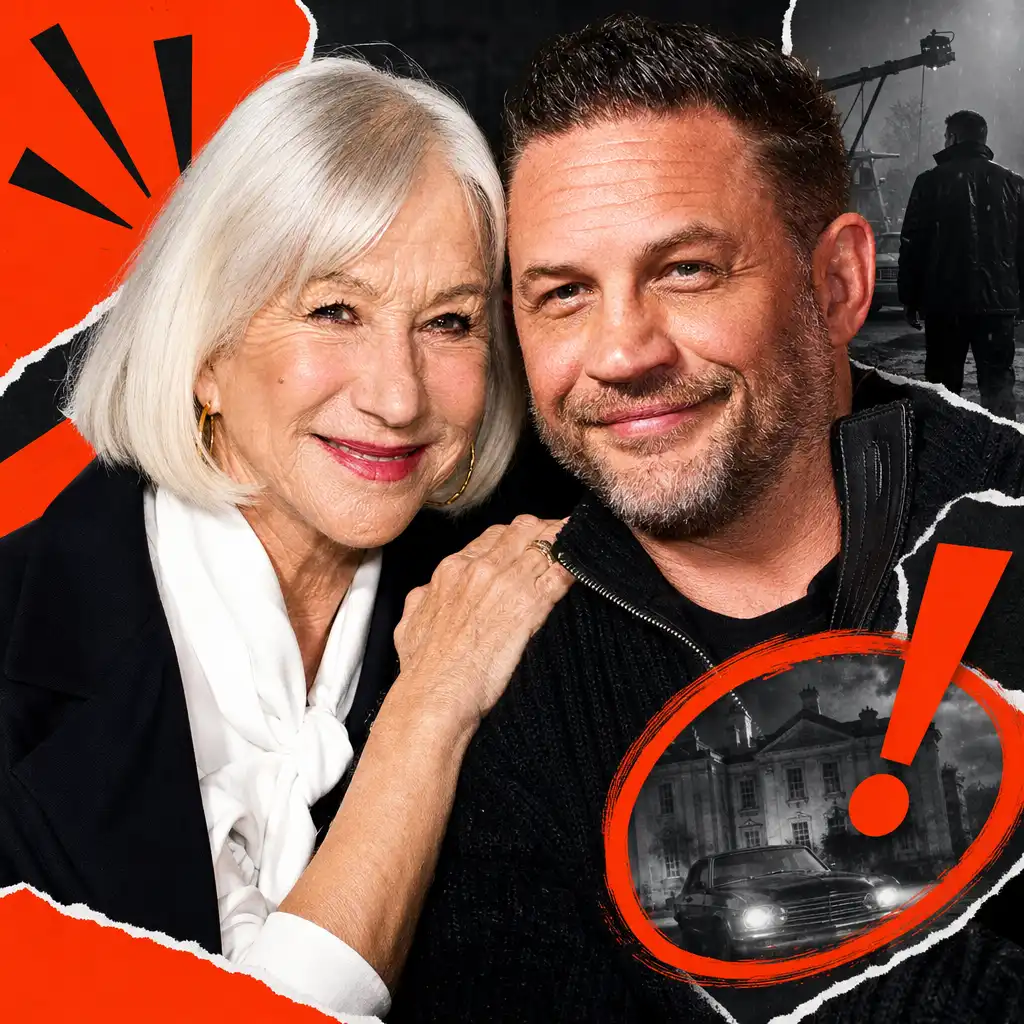
Hardy’s name is also attached to MobLand, the crime series from Paramount+ that features a major cast including Pierce Brosnan and Helen Mirren. The show has put Hardy back in the middle of a high-profile ensemble, which naturally brings renewed attention to stories about how large productions function behind the scenes.
The available source material refers to new details emerging about a MobLand firing, but it does not identify in the provided text who was fired, what role they held, when the decision happened or what official explanation was given. Without those specifics, the responsible thing is not to pretend the missing paragraphs have politely introduced themselves.
What can be said clearly is that the renewed interest in Hardy’s past on-set tension with Theron plays into a wider conversation about conduct, hierarchy and accountability during major film and television shoots.
Why does this story still follow the actors?
The Mad Max: Fury Road feud continues to draw interest because it complicates the usual story of a celebrated movie. The film was widely praised, won six Academy Awards and helped make Furiosa one of the defining action characters of the 2010s. It was also, by several accounts, made under conditions that left its leads strained and isolated.
That contrast matters to audiences. Viewers often meet a film as a finished object, edited, scored and polished until the human difficulty behind it disappears. Stories like this pull the curtain back, not always in a flattering way.
They also show how actors can later revisit a conflict with more honesty than defensiveness. Theron and Hardy have both described the situation as frightening, pressurised and mishandled in different ways. Neither version turns the shoot into a tidy lesson. It was messy, expensive, physically demanding and emotionally volatile.
What is the bigger issue for productions?
The bigger question is not whether talented people sometimes clash. They do. The issue is how productions respond when pressure becomes unsafe or when one person’s behaviour affects the entire crew.
Big-budget sets involve hundreds of workers whose time, safety and livelihoods depend on the decisions of a few powerful figures. When conflicts reach the point where actors feel threatened or crew members are left waiting for hours, the impact goes well beyond the names on the poster.
For Hardy and Theron, Mad Max: Fury Road remains a landmark film and a reminder that great work can come from difficult circumstances. That does not make the circumstances noble. It just means the finished product and the experience of making it are not always the same story.