Minor spoilers for the plot of Disclosure Day follow.
Disclosure Day is a big Steven Spielberg sci-fi movie with a premise that is almost suspiciously tidy: aliens are real, and the government has been hiding the evidence. The twist, or at least the practical question, is why a United States president would not simply reveal the secret, especially in an era when public comments and social media posts are not exactly models of restraint.
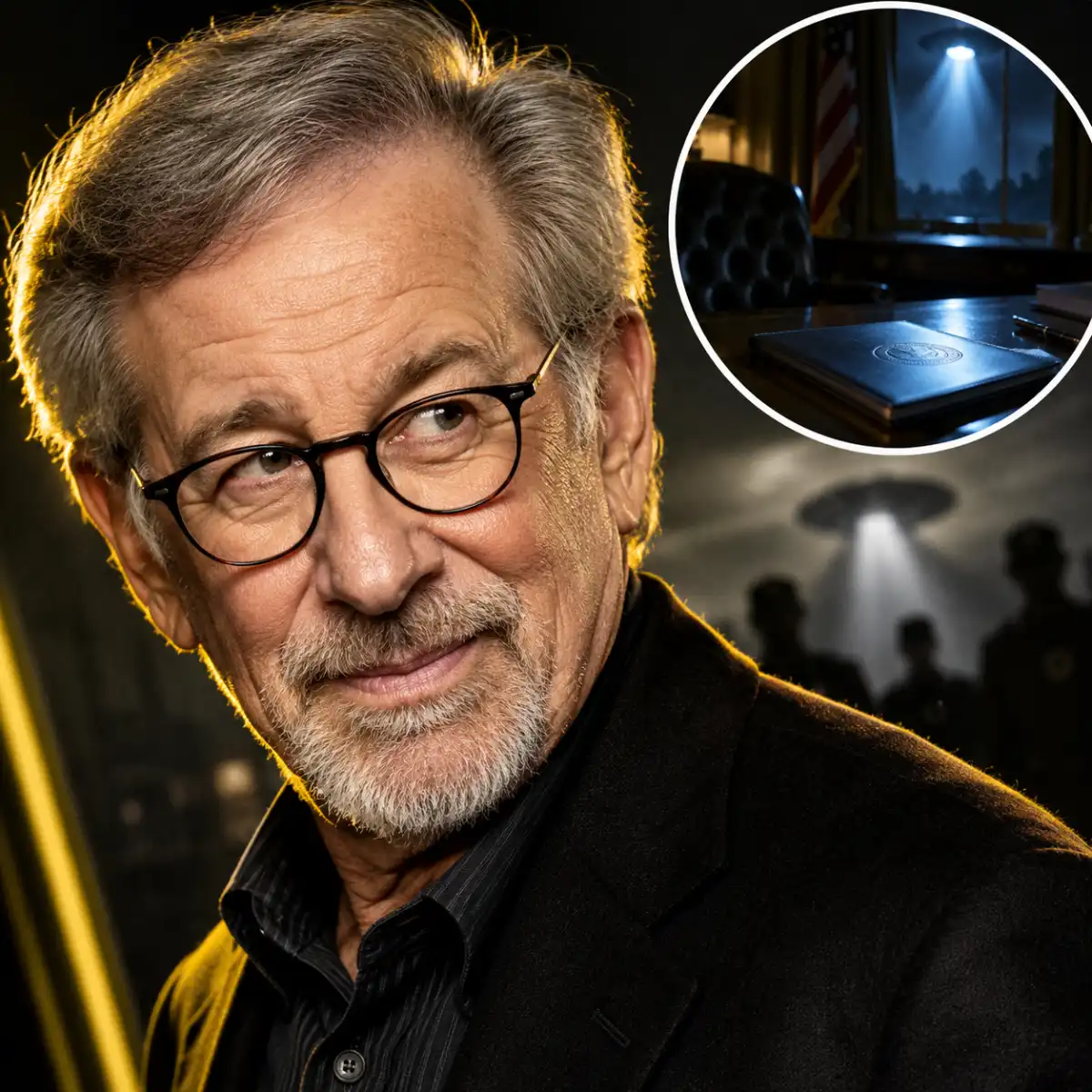
Spielberg’s answer is not just a screenwriting workaround. In a new interview with Polygon, said the idea reflects how he thinks secrecy can work in the real world.
Why the president is kept out of the alien secret
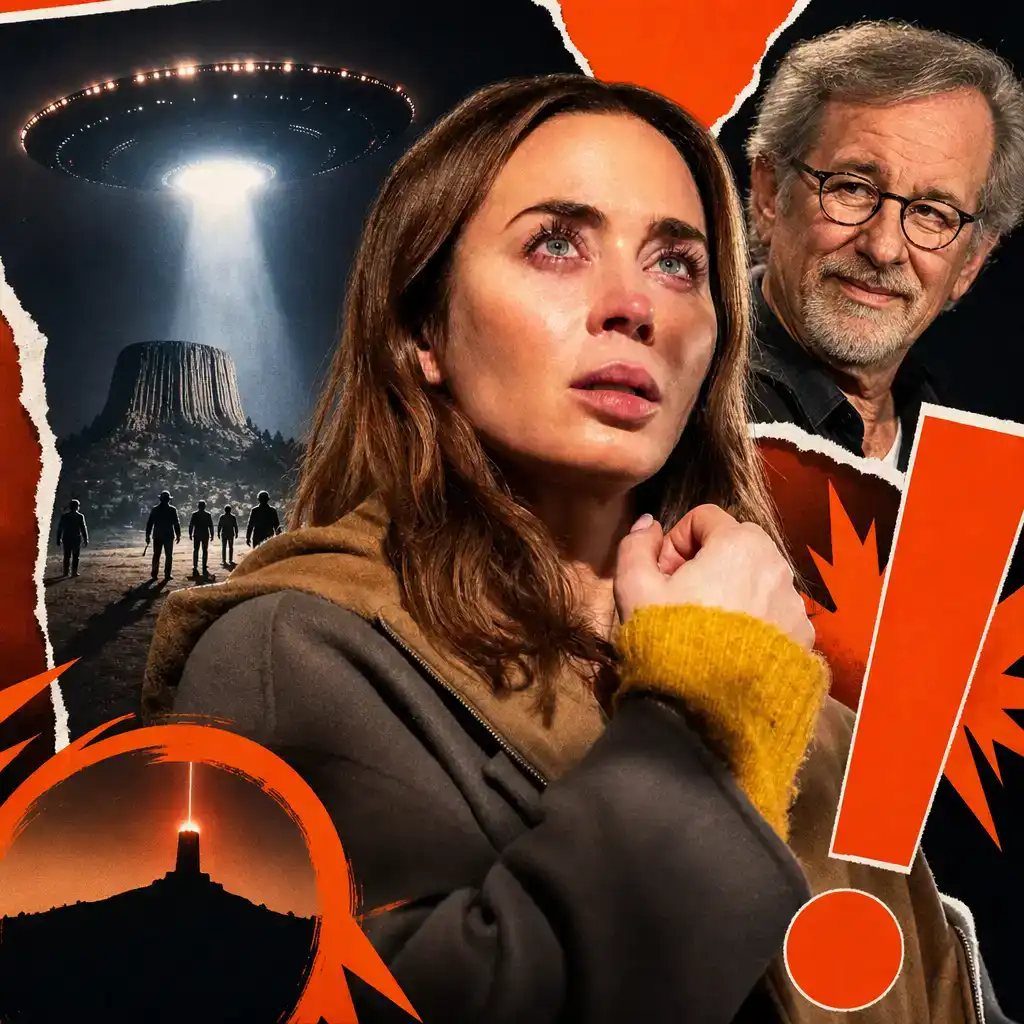
Early in the film, viewers learn about Wardex, a private military company that has been working with the federal government to keep the extraterrestrial cover-up quiet since the 1947 Roswell incident in New Mexico, if not before.
The movie then offers a blunt explanation for why presidents are not briefed on the situation: they can only serve up to eight years in the White House before returning to civilian life. What’s less flattering is the basic assumption: elected leaders are temporary staff. Not exactly flattering, but efficient.
For many sci-fi fans, the line might land as a clever bit of internal logic. Spielberg, however, apparently aligns with how he sees the issue.
“I do believe that,” Spielberg told Polygon. “I do believe that presidents are civilians after eight years and there is no reason to read them in on what's been happening on something that is probably controlled more by deep-state contracting companies than by the elected officials.”
That is quite a sentence, particularly coming from the director of one of the summer’s major studio releases.
Spielberg and David Koepp share the same suspicion
Spielberg is not alone in that thinking. David Koepp, who co-wrote Disclosure Day, made similar comments in an earlier Polygon interview while discussing the film’s premise and its connection to real-world secrecy claims.
“What became undeniable to me,” Koepp said, “is that governments — not just the United States, but many governments — have engaged in an 80-year campaign of disinformation and suppression.”
Describing the movie’s point of view, Koepp added: “We’re not coming out in favor of conspiracies. We’re coming out in favor of truth.”
That helps explain why the film treats its alien mythology less like pure fantasy and more like a pressure test for public trust. The drama is not only whether humanity can handle proof of alien life. It is whether institutions would ever willingly admit they had hidden it.
For audiences, that gives the blockbuster machinery a sharper emotional edge. The spectacle may involve extraterrestrials, but the anxiety is very human: who gets to know the truth, who decides, and how long the rest of us are expected to wait politely.
Who wrote the line remains unclear
If Spielberg and Koepp agree on the idea, the more granular mystery is who actually wrote the line about presidents being left out of the loop.
Spielberg said the process was too collaborative to separate cleanly.
“I wrote the story and David adapted the story and wrote a draft and then David and I together collaborated on about 45 sets of revisions over the next eight months,” Spielberg said. “And when you work that closely with a writer — I have no memory or recollection of who said what and who's responsible for this line or that line.”
So the origin of that particular piece of dialogue may remain unresolved. Conveniently, the movie is already about secrets that may or may not ever be declassified, so at least the ambiguity is thematically tidy.
Disclosure Day is in theaters now.