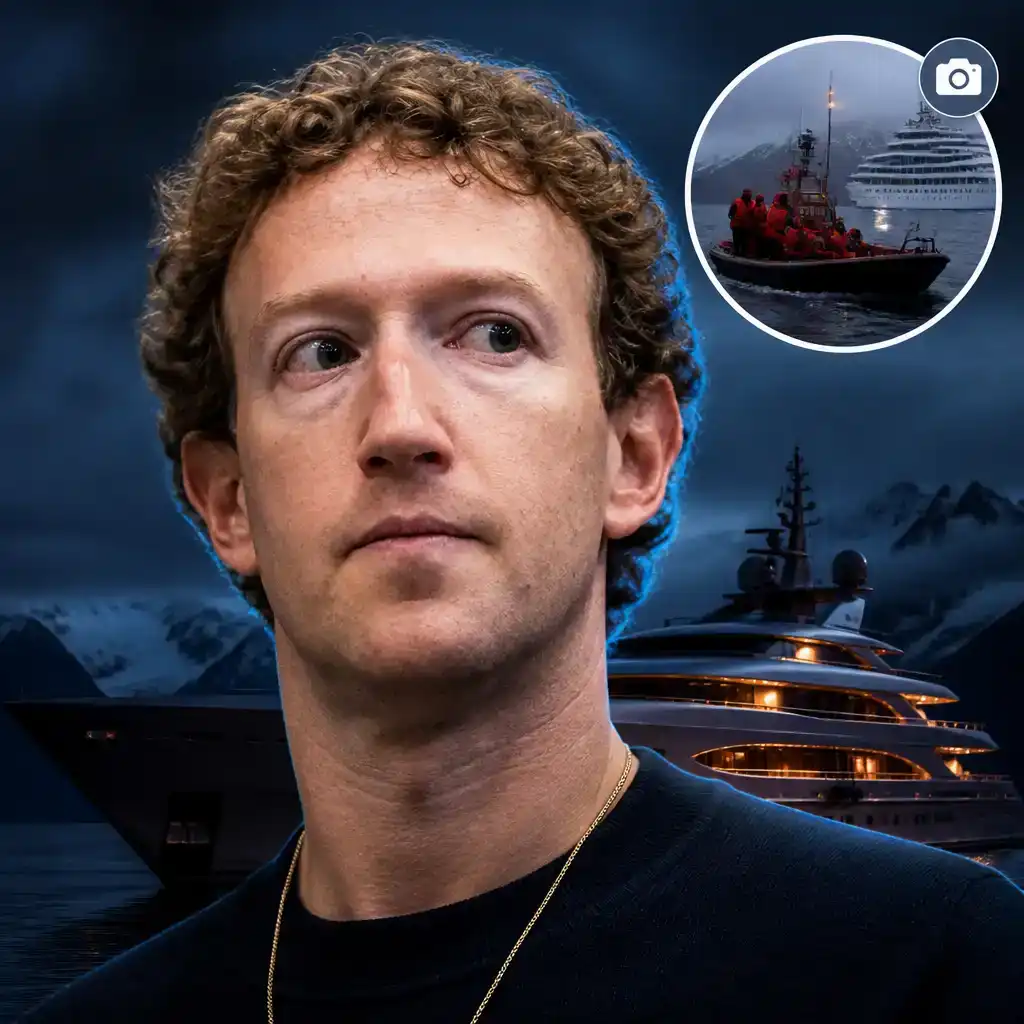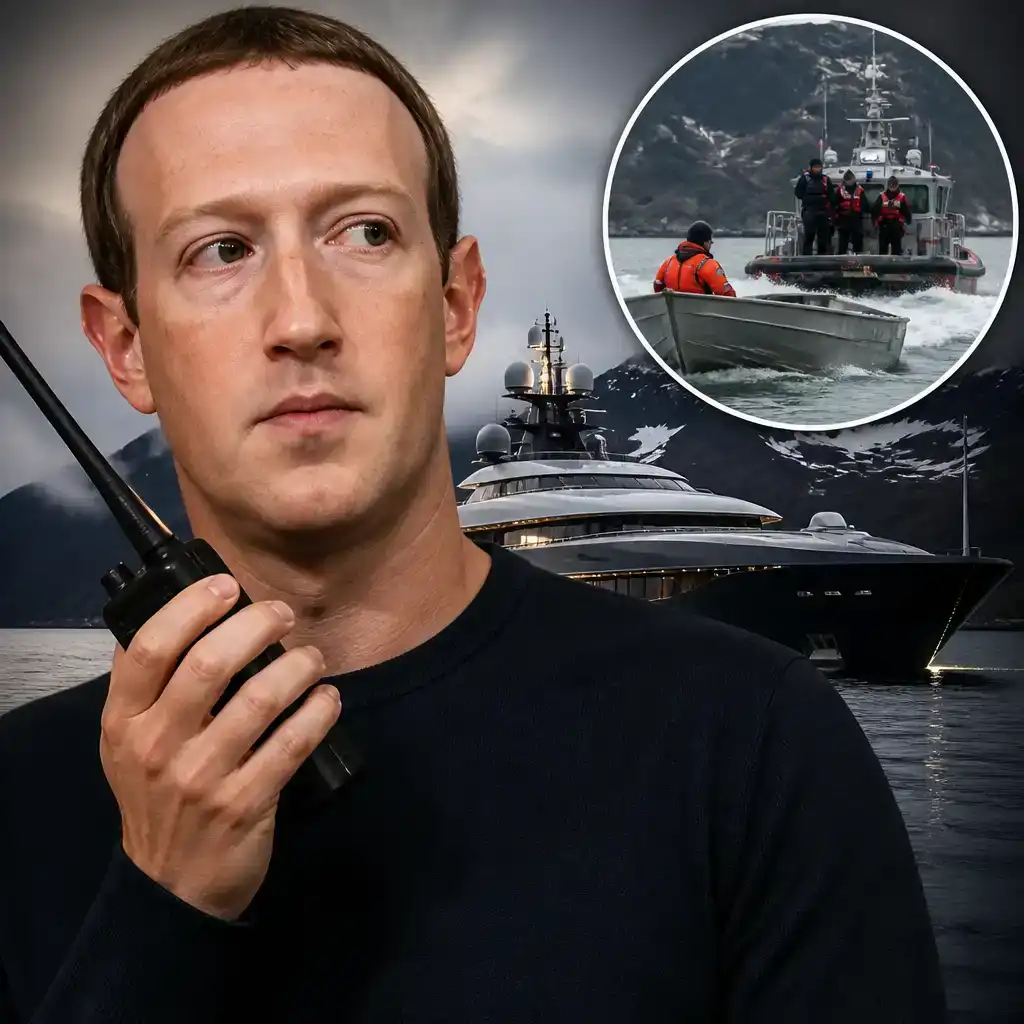
The Mark Zuckerberg yacht dispute began with an easily shared scene: a 21-foot skiff had run out of fuel in Alaska, while the 387-foot superyacht Launchpad sat nearby and did not initially respond. Social media quickly supplied a verdict. The official timeline, however, shows a vessel needing assistance rather than facing immediate danger, plus two sharply conflicting accounts of what the yacht’s crew heard.
What happened in Farragut Bay?
At about 9:32 p.m. on August 3, the skiff contacted the United States Coast Guard on VHF Channel 16 after running out of fuel. Two women, a child and a dog were aboard.
By 9:56 p.m., the Coast Guard had determined that the boat was not in distress and issued a general marine-assistance request. The Marine Exchange of Alaska repeated the broadcast and successfully contacted Wilderness Legacy, an UnCruise Adventures vessel carrying tourists.
Wilderness Legacy reached the skiff at roughly 10:58 p.m., towed it into Farragut Bay and supplied fuel. The smaller boat was safely anchored by 12:50 a.m.
That sequence matters. Some online posts described a rescue from an emergency, while the Coast Guard classified the situation as a request for assistance. Running out of fuel after dark is plainly not ideal, but officials did not consider the passengers to be in immediate danger.
Why did Launchpad fail to answer?
Meta spokesperson Brian Baker said Zuckerberg and his wife, Priscilla Chan, were not aboard Launchpad during the incident. He also denied that the crew knowingly rejected the request.
“The boat was not in distress, and by the time the crew reviewed the Coast Guard contact on a different radio channel from the one they were operating on, the assist was already underway,” Baker said. “We’re grateful all parties are safe.”
Passenger Michael Love offered a different account. He said the captain of Wilderness Legacy told passengers that Launchpad had “repeatedly refused to respond.” Love also wrote that passengers reacted with “near unanimous booing.”
The allegation is therefore secondhand, while Baker’s explanation comes from Zuckerberg’s representative. No public statement from Launchpad’s captain has settled the disagreement. The Associated Press reported that the Coast Guard opened no investigation and imposed no penalty.
Was the yacht legally required to help?
Maritime-law specialist Ian Ralby told Alaska Public Media that the Coast Guard’s classification was crucial. Because the skiff needed routine assistance rather than emergency rescue, he said nearby vessels were not under the same legal obligation to respond.
“It’s the difference between calling AAA and 911,” Ralby said. “Both concerning, both needing assistance, but the legal obligations to respond are very different.”
That addresses the legal question, but not the operational one. A yacht of Launchpad’s size failing to hear a Coast Guard assistance broadcast naturally invites questions about which radio channels its crew was monitoring. There has been no official finding that the crew broke any rule, and the available reporting does not establish why the message was missed beyond Baker’s explanation.
In other words, absence of a legal duty does not automatically produce excellent public relations. A nearby vessel valued at around $300 million will attract more attention than an ordinary fishing boat, particularly when another ship has to complete the tow.
How did the claim become a global controversy?
Launchpad was delivered in 2024 and reportedly cost about $300 million. Forbes described it as the largest yacht built by Feadship at the time of delivery. Its scale, combined with Zuckerberg’s public profile, ensured that an unresolved radio exchange in Alaska would not remain a local boating story for long.
Online accounts compressed several separate claims into one accusation: the yacht did not respond, therefore its crew refused, therefore Zuckerberg personally ignored stranded passengers. The first point is established. The second remains disputed. The third is false because Zuckerberg was not aboard.
The confirmed outcome is less dramatic. Wilderness Legacy answered the request, brought the skiff to safety and provided fuel. Everyone was unharmed. What remains unanswered is whether Launchpad’s crew missed the broadcast or knowingly declined it, a distinction social media generally found less convenient than a billionaire-and-superyacht scandal.