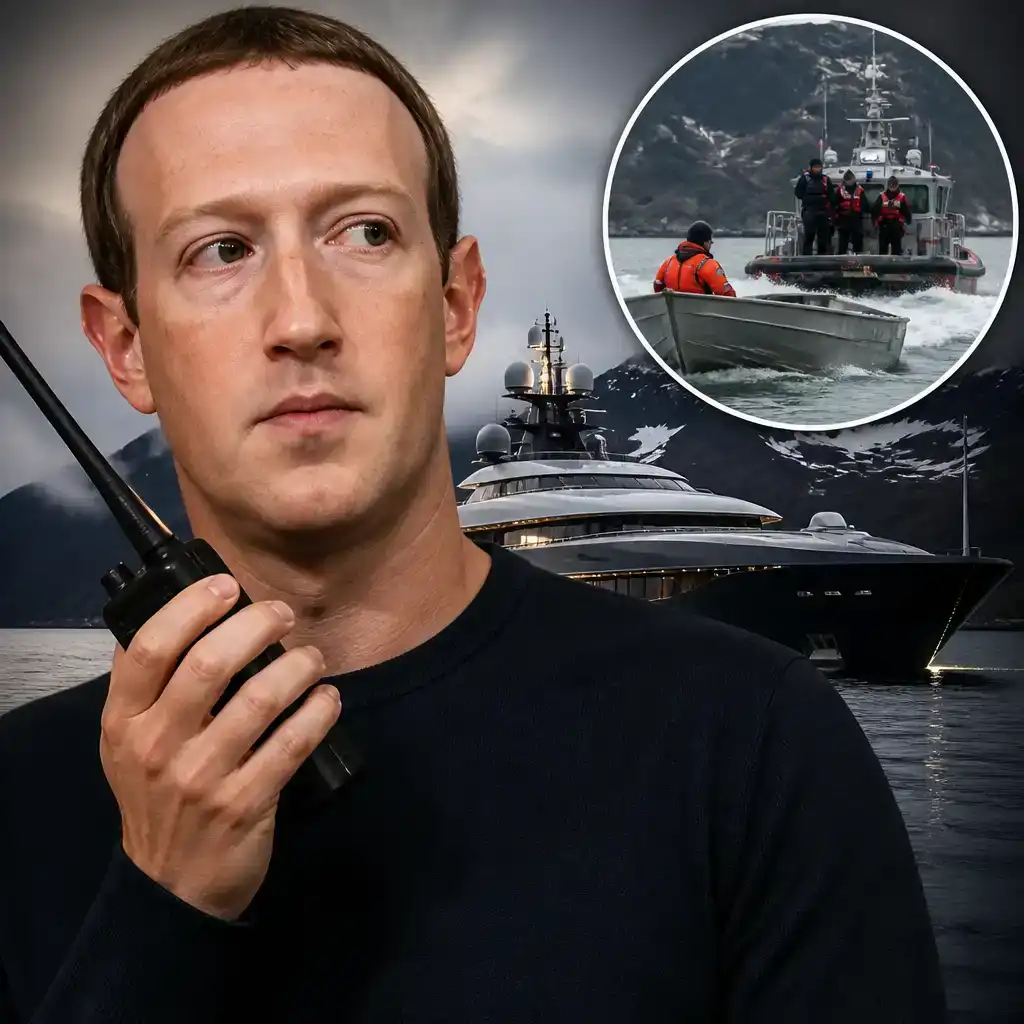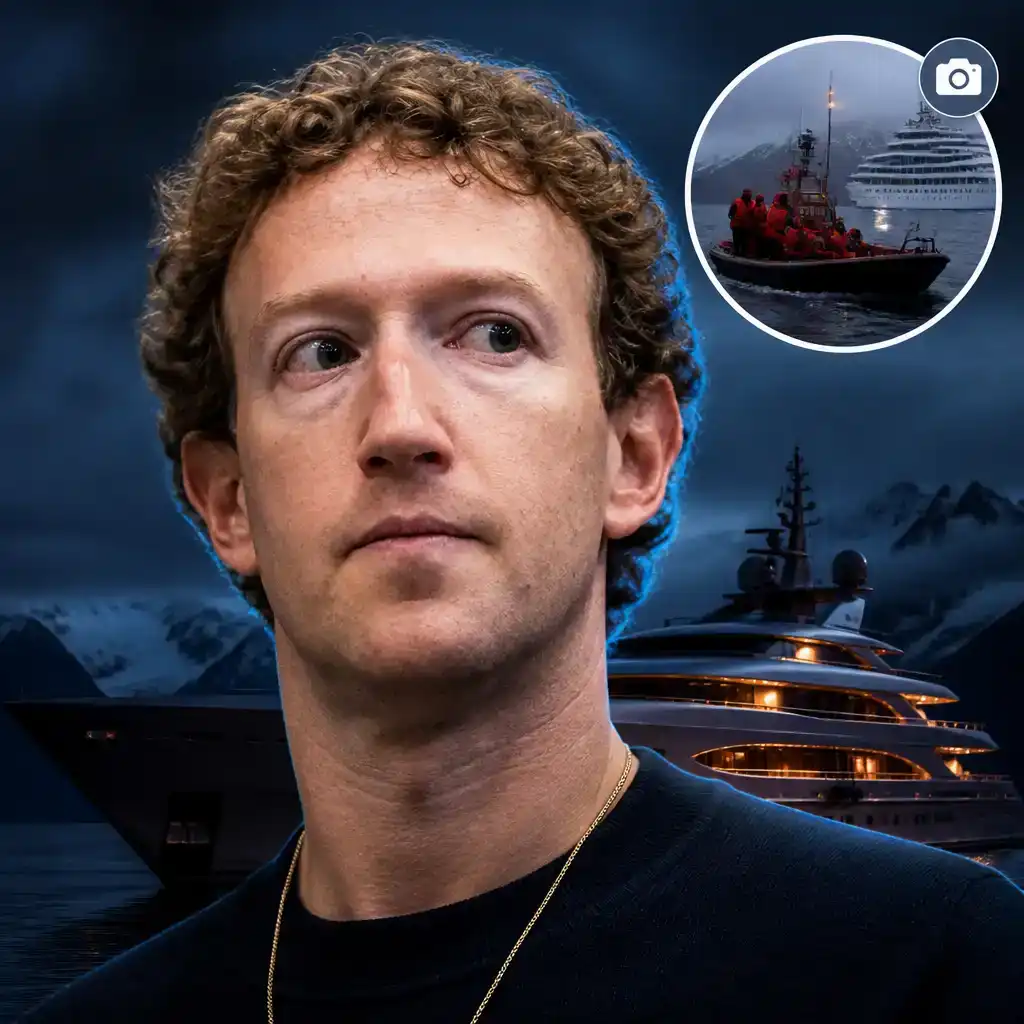
The Mark Zuckerberg yacht Launchpad is facing criticism after a nearby cruise vessel helped a 21-foot skiff that had run out of fuel in Southeast Alaska. Zuckerberg was not aboard, the U.S. Coast Guard did not classify the situation as an emergency, and no enforcement action followed. That has not stopped a fairly routine marine-assistance call from becoming a billionaire-sized argument.
What happened in Farragut Bay?
The incident unfolded on Monday night in Farragut Bay, where the skiff needed fuel and shelter. The Coast Guard received the request shortly after 9:30 p.m. and reportedly classified it as a non-distress situation at about 9:56 p.m.
Launchpad, Zuckerberg’s 387-foot yacht, was closer to the skiff than the vessel that eventually responded. The yacht reportedly stopped nearby but did not answer the assistance broadcast.
UnCruise Adventures’ 192-foot Wilderness Legacy then changed course, sailed around Launchpad and reached the smaller boat. Its crew towed the skiff farther into Farragut Bay and provided fuel. Wilderness Legacy can carry up to 86 passengers and operates with roughly 29 crew members.
Passenger Michael Love wrote on Bluesky that the ship’s captain told guests the yacht had not helped despite being closer. According to Love, passengers responded with “near unanimous booing.” He argued that Zuckerberg had missed a chance to assist someone and collect some favorable publicity in the process, apparently the rare marine resource more valuable than fuel.
Was the skiff actually in distress?
The Coast Guard’s classification matters. Officials said they issued a general request for marine assistance, not a distress call. The skiff needed help, but authorities did not determine that its occupants were in immediate danger of being lost.
That distinction also affects the legal question. Federal law requires a vessel’s master to help people who are “in danger of being lost,” provided assistance can be given without seriously endangering the responding vessel or those aboard. A voluntary request for fuel does not automatically meet that threshold.
The Associated Press reported that there was no investigation, citation or enforcement action connected to the incident. Everyone involved was safe, and the skiff was ultimately refueled.
Love alleged that Launchpad “repeatedly refused to respond.” However, Zuckerberg’s representative gave a different account, saying the yacht’s crew did not initially hear the Coast Guard message because it was monitoring another radio channel.
The available reporting therefore supports two points at once: Launchpad was closer and did not respond, but the Coast Guard did not treat the situation as an emergency requiring a rescue.
Why Zuckerberg may not be the person responsible
Launchpad is reportedly worth about $300 million, which helps explain why Zuckerberg’s name quickly became the focus. But large yachts are operated by professional masters and bridge crews, and the Meta chief executive was not aboard when the incident occurred.
Zuckerberg spokesperson Brian Baker said: “Mark and his family were not on board at the time of the incident. As the Coast Guard noted, the boat was not in distress, and by the time the crew reviewed the Coast Guard contact on a different radio channel from the one they were operating on, the assist was already underway. We’re grateful all parties are safe.”
That shifts the practical question away from what Zuckerberg personally did and toward how Launchpad’s crew handled its radio watch. If the broadcast was missed because the bridge was using another channel, the failure to answer may have been procedural rather than a deliberate refusal.
It also remains unclear which channel carried the Coast Guard request, when Launchpad’s crew became aware of it and whether the yacht had been contacted directly. Those details would be necessary to establish whether the crew ignored the request or simply received it too late.
What remains after the criticism?
The broad outline is not disputed. A small boat ran out of fuel, Launchpad was nearby, and Wilderness Legacy provided the assistance. Zuckerberg and his family were absent, while the Coast Guard judged that the skiff was not in distress.
The sharper accusation, that the yacht knowingly refused to help people in danger, is not supported by any official finding. It rests largely on Love’s account and the cruise captain’s reported announcement to passengers. The explanation from Zuckerberg’s representative is that the professional crew missed the original broadcast and reviewed it only after help was already on the way.
With no investigation or penalty, the episode currently sits somewhere between an awkward communications failure and an avoidable public-relations problem. Launchpad’s crew may still face questions about its radio procedures, but the evidence so far does not establish an unlawful refusal to conduct a rescue.