The BBC is seeking pitches for a Play School reboot, 38 years after the long-running children’s programme left television screens. Producers have been asked to create a “new and modern take” on the preschool classic, although modernization apparently stops at evicting the residents of its famous toy collection.
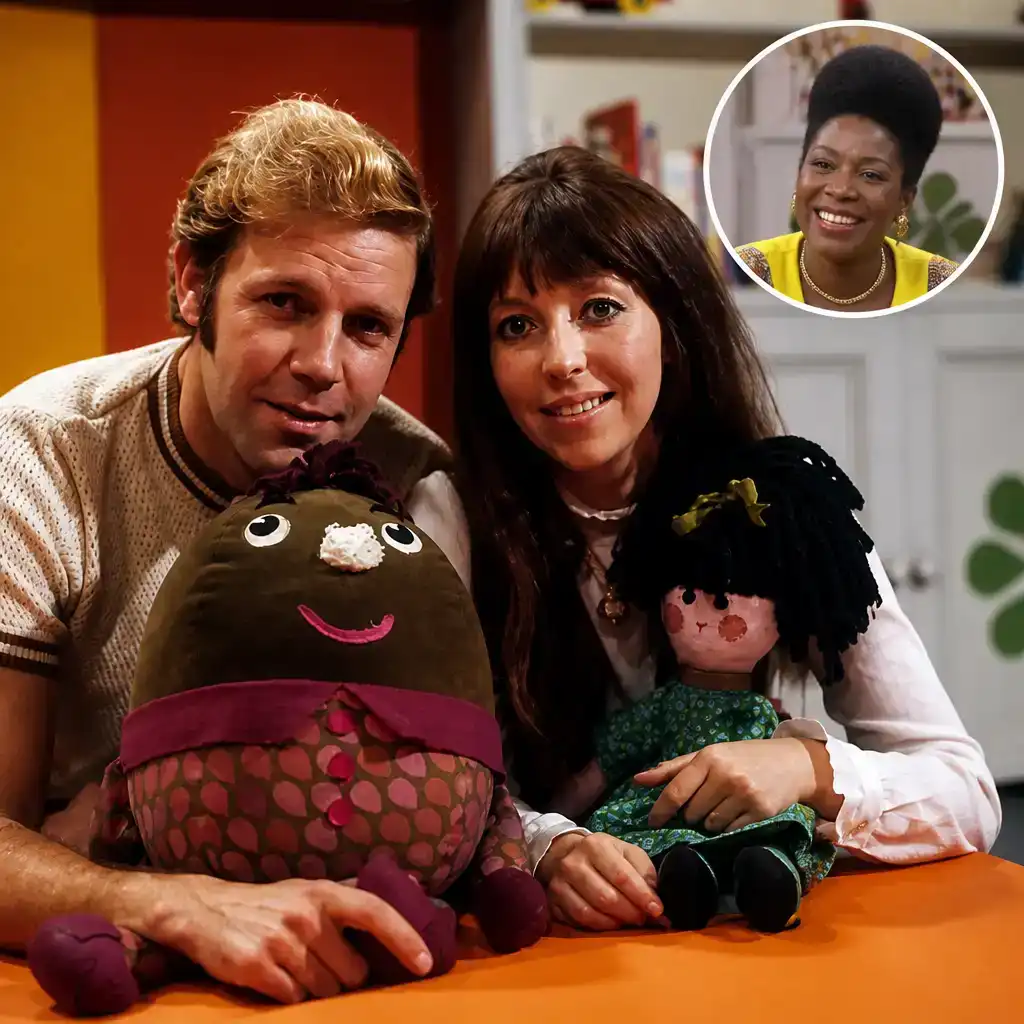
According to the broadcaster’s pitch document, any proposed revival must include the original characters Humpty, Jemima, Big Ted, Little Ted and Hamble. Quite how they will appear remains open to interpretation, with the BBC willing to consider traditional appearances, new companions and even animated versions.
Which original Play School toys will return?
The production brief makes clear that the familiar toys are central to the programme’s identity, rather than nostalgic decorations to be placed quietly in the background.
“The toys remain some of the most cherished elements of Play School and are fondly remembered by generations of viewers.”
The BBC wants producers to update the characters for younger audiences without losing what made them recognizable in the first place.
“We would like the new version of the programme to bring to life a version of the toys in a contemporary capacity aligned to the expectations of today’s children.”
Possible approaches could include restoring the entire original group or adding new characters alongside them. The brief also allows for different formats, including animation. That gives production companies considerable freedom, provided nobody decides Big Ted is surplus to requirements.
No presenter, launch date or final format has yet been announced. The project remains at the pitching stage, so viewers may have some time to wait before discovering whether the programme will once again invite children to look through one of its windows.
Why does the BBC revival matter?
Play School originally ran from 1964 until 1988, producing 6,866 episodes during its 24-year television life. Its simple combination of stories, songs, activities and direct interaction with young viewers made it one of the BBC’s best-known preschool programmes.
The series also helped establish the careers of presenters including Dame Floella Benjamin and Brian Cant. Benjamin, who now sits in the House of Lords, welcomed the reported revival in a post on X.
“I’m so thrilled to hear this fantastic news as the new #Playschool will inspire the nation’s children and future generations for life just as before because ‘Childhood lasts a lifetime.’”
Her reaction quickly prompted calls from some viewers for her to return as a presenter. Whether the BBC plans to involve former hosts has not been confirmed, but the enthusiasm suggests the broadcaster has inherited a highly attentive audience before commissioning a single episode.
How have viewers reacted to the news?
Many former viewers responded warmly, recalling the programme decades after they last watched it. One X user, who said they were now 54, wrote that they could still remember how much they loved the series and described the prospect of a new version as “amazing.”
Another said the news made them “very happy,” adding that they could still remember Benjamin’s soothing voice more than 50 years later. A third called Play School an institution that “should never have left our screens.”
Not every response was unqualified celebration. One viewer urged the BBC to retain the original format, arguing that the programme was too important to children’s development to be extensively altered.
Michael Savage, media editor at The Guardian, raised a broader question about whether the format can compete in a market filled with children’s content from around the world. He also asked whether anyone under 40 knows what Play School is.
That is the challenge facing the BBC: produce something recognizable enough for longtime viewers, but relevant to children who have no reason to care what their grandparents watched. At least the toys already have job security.