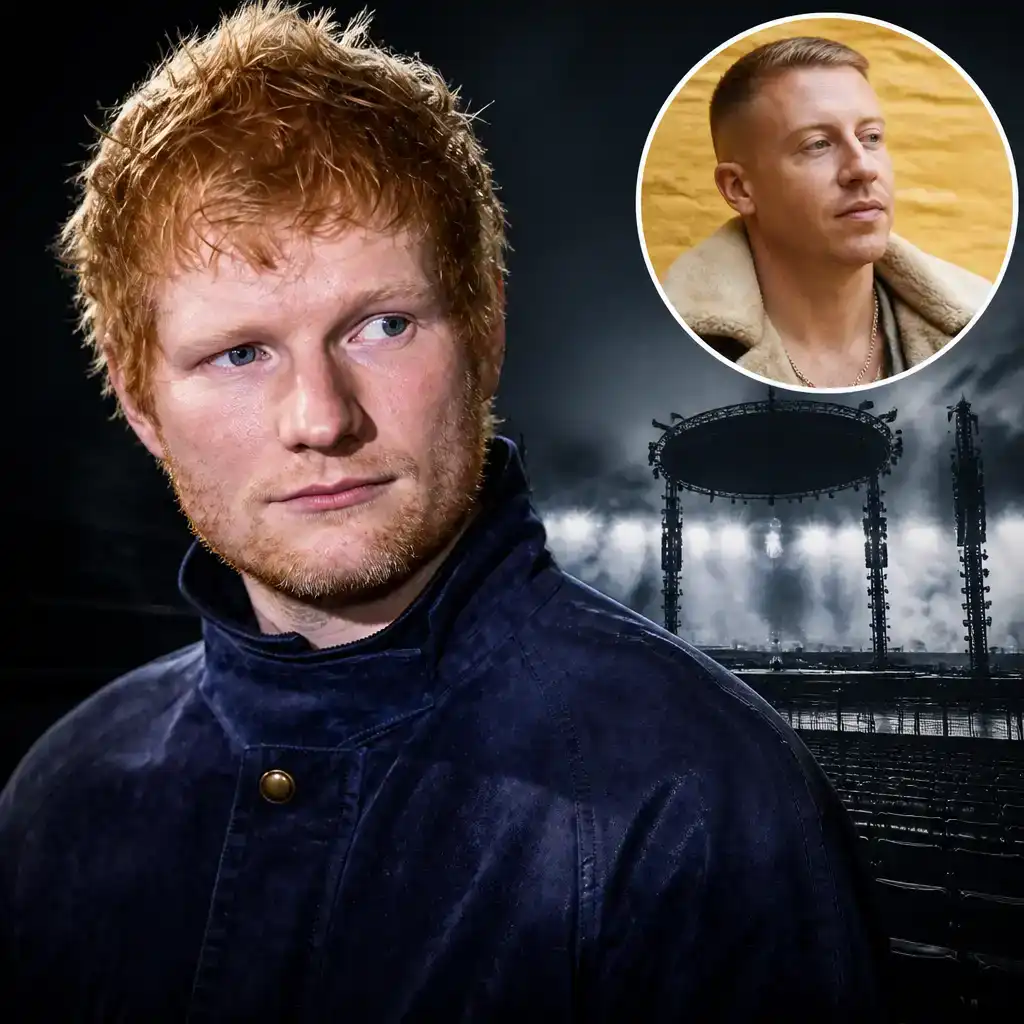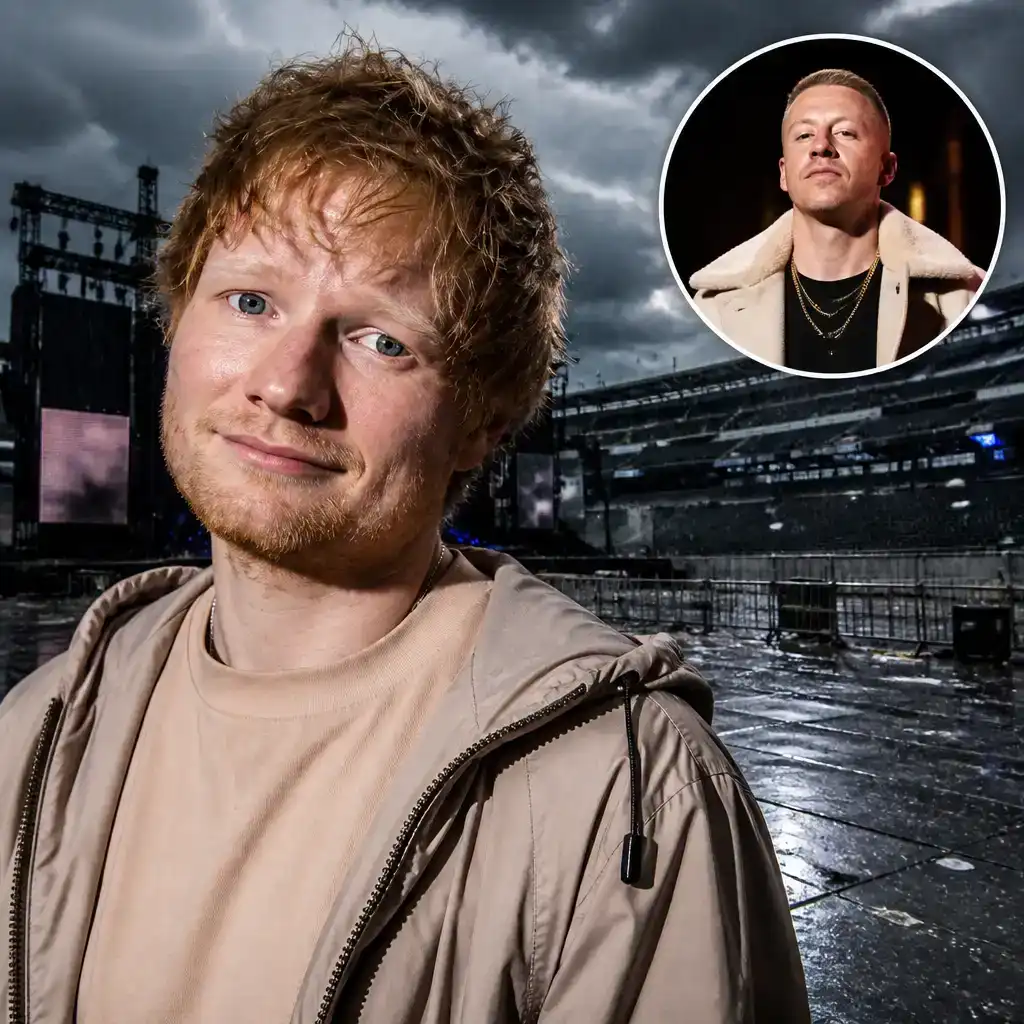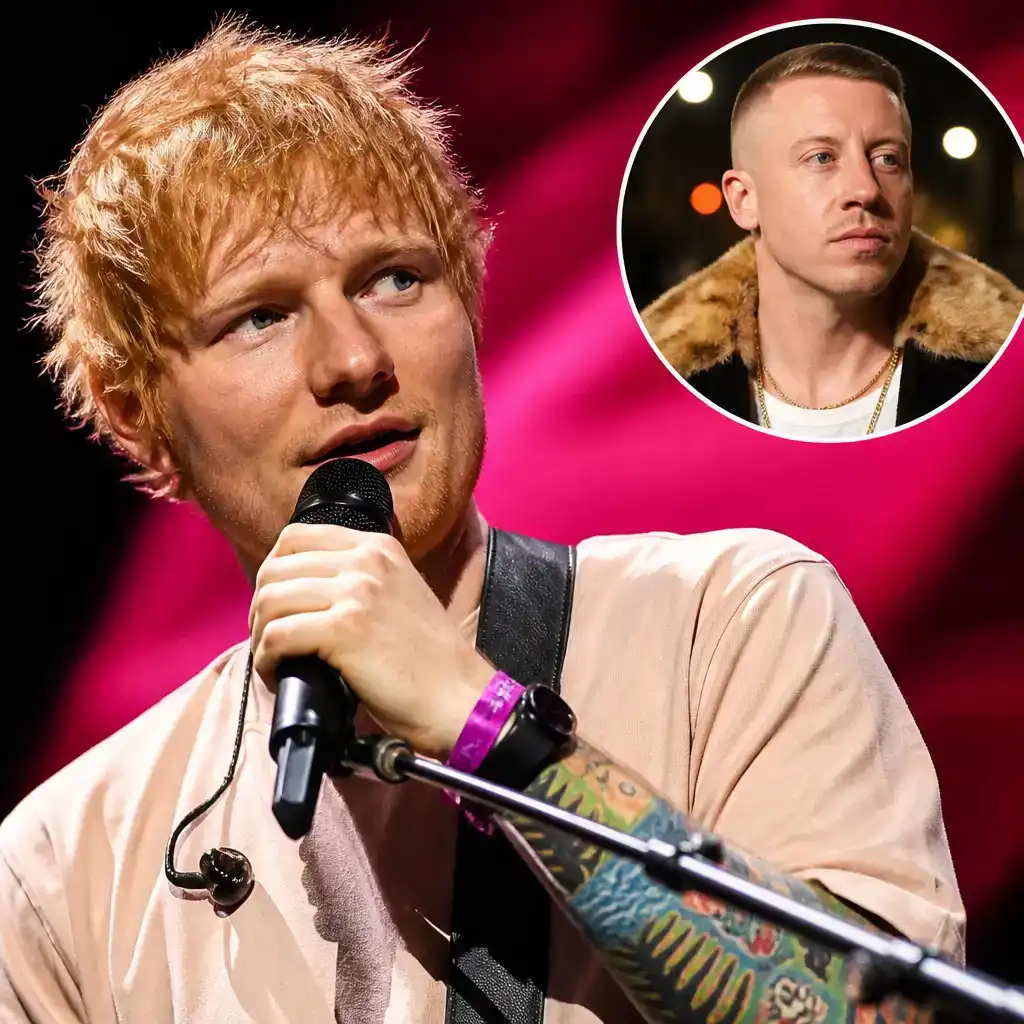
Nadiya Hussain has responded to the Ed Sheeran apology by sharing a video that accuses the singer of using “white tears” to centre himself in the controversy surrounding his Loop Tour.
The chef, television presenter and former Great British Bake Off winner reposted the clip without adding her own comment. In it, British therapist Megan Cooper argues that Sheeran’s emotional appearance shifted attention away from the dispute that triggered the tour’s sudden and rather comprehensive collapse.
Why did Ed Sheeran apologise on stage?
Sheeran addressed the controversy during a concert at Lincoln Financial Field in Philadelphia on Saturday, 19 September. It was his first Loop Tour performance since rapper Macklemore was removed from the remaining dates over pro-Palestinian remarks made during a performance.
Macklemore said in a statement last week that he had been dropped after Gillette Stadium owner Robert Kraft gave Sheeran an “ultimatum”. Following the rapper’s removal, every other support act announced that they would also leave the tour, turning one personnel decision into a much larger crisis.
Protesters gathered outside Sheeran’s Philadelphia concert as the singer spoke to the audience about the fallout. The 35-year-old became tearful and admitted that he had made errors while dealing with the dispute.
“I’ve had to take and make difficult decisions, and I am making mistakes and I’m so, so sorry for them,” he said.
Sheeran added that he had never intended to become an activist musician but now found himself caught in “an important and passionate argument about freedom of speech and the most complex political issue on the planet”.
What did Sheeran say about the personal toll?
The singer told the crowd that he had been uncertain whether the tour would continue. He also described feeling abandoned by friends, relatives and other people close to him as pressure mounted for the shows to be cancelled.
“I really didn’t know whether this tour would be carrying on,” Sheeran said. “In these situations, you really find out who your friends are and it’s been a weird week. I just feel like it happened very quickly.”
He said ticket sales in Philadelphia had offered some reassurance because fans were still buying seats rather than cancelling them.
“Everyone’s telling me to cancel and I’m feeling all of my friends and family and people I know abandon me,” he continued.
The remarks placed considerable emphasis on Sheeran’s distress and the effect the backlash had on him. That approach was not universally welcomed, which may be the least surprising development in a dispute involving celebrity, politics, free speech and an imploding stadium tour.
Why did Hussain share the “white tears” criticism?
Hussain reposted a video by Megan Cooper, who describes herself as a trauma-informed holistic coach and therapist. Cooper said she did not want to analyse Sheeran’s entire statement, but instead focused on how his tears functioned within the wider argument.
“For those of us in white bodies, we need to understand and educate ourselves on white tears,” Cooper said.
She described “white tears” as a cultural tactic in which emotion, whether used consciously or not, can deflect accountability, attract sympathy and place a white person at the centre of a conflict involving racism or oppression.
Cooper also argued that gender and social power shaped the response to Sheeran’s display of emotion.
“Not only does emotion meet whiteness, but it also meets patriarchy,” she said. “So what we have [are] not just tears, it’s power.”
According to Cooper, emotional attention can allow the person facing criticism to assume the role of victim while the original issue receives less scrutiny.
“Our emotion is now prized above the actual issue, in this case, genocide,” she continued. “What this shines a light on is whose tears get to be seen, listened to, and heard in our society, and whose don’t.”
Hussain did not provide a caption explaining her own position, but sharing the clip placed Cooper’s criticism before her followers. Sheeran has apologised for his decisions, though the departures, protests and public criticism suggest the argument is not going to disappear simply because the microphone caught a difficult moment.