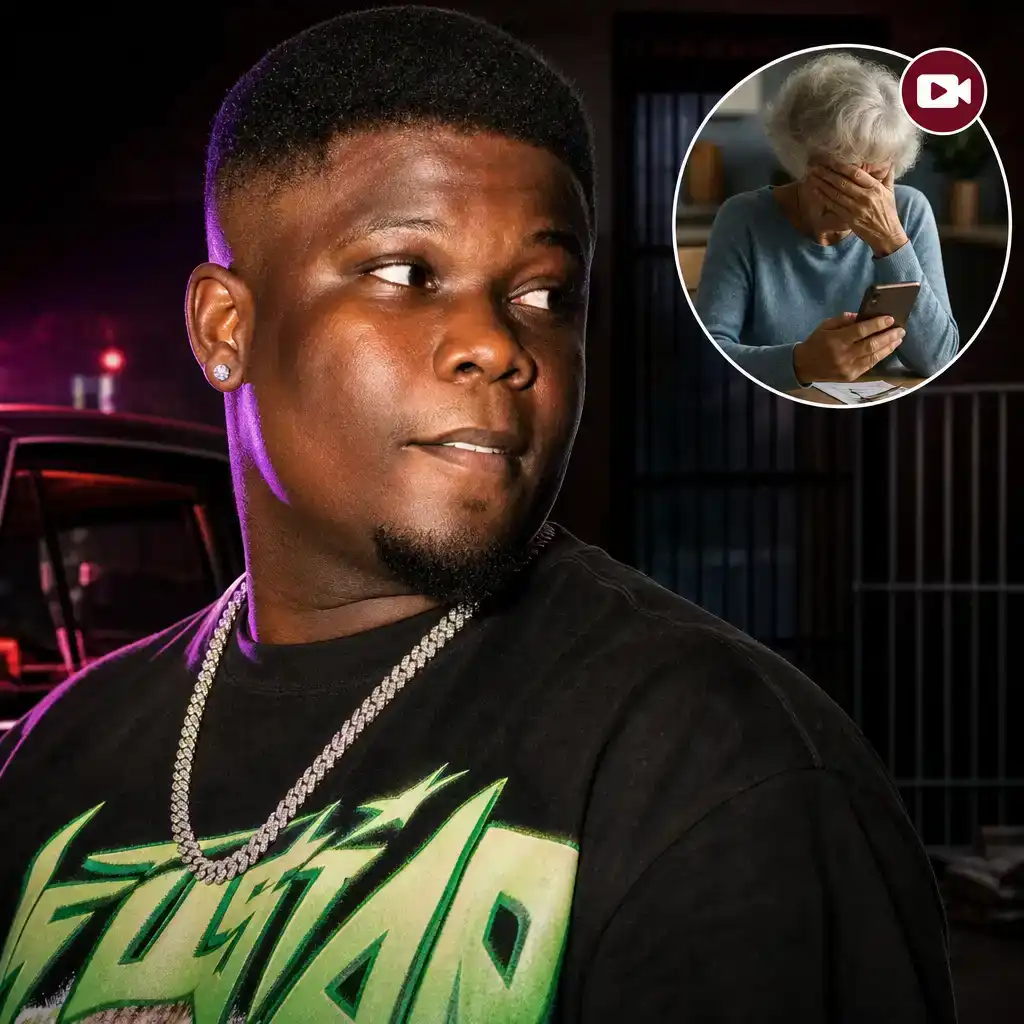
A Canadian man posed as a pilot for free flights, securing hundreds of bookings before federal authorities caught up with him. Dallas Pokornik, 33, has pleaded guilty to wire fraud in Hawaii and faces sentencing in December 2026.
The case involves more than stolen travel perks. Court records indicate Pokornik repeatedly requested access to cockpit jump seats, raising questions about how airlines verify employees across shared systems. Airlines generally prefer the person asking to sit behind the pilots to be an actual pilot.
How did the alleged scheme work?
Pokornik previously worked as a flight attendant for a Toronto-based airline, leaving the job in 2019. While employed, he could legitimately use non-revenue travel benefits, including free or discounted standby flights.
Prosecutors said he kept using those privileges after his employment ended. Armed with fictitious employee credentials, he allegedly presented himself as a commercial pilot and obtained hundreds of flights from major US carriers.
The identity of his former employer remains unclear. Court documents describe a Toronto-based airline, but Air Canada told CBC News and the Associated Press that it had no record of employing him. Porter Airlines said it could not confirm any involvement.
A federal grand jury in Hawaii indicted Pokornik on October 2, 2025, on two wire-fraud counts. Authorities later arrested him in Panama and extradited him to the United States. He initially pleaded not guilty before changing his plea.
While the case proceeded, a judge released him on a $50,000 unsecured bond. He surrendered his passport and could travel only within Oahu.
How many flights did he book?
The original case covered more than 200 bookings involving four airlines: Hawaiian Airlines, United Airlines, American Airlines and the unnamed Canadian carrier.
Prosecutors accused Pokornik of obtaining hundreds of flights between January and October 2024. His plea agreement requires him to pay restitution to three airlines, although the amount will not be decided until sentencing.
Hawaiian Airlines declined to discuss the pending litigation. United Airlines and American Airlines did not respond to requests for comment from the Associated Press.
Reports initially suggested that Pokornik had travelled in cockpit jump seats. The available court records establish only that he requested jump-seat access on multiple occasions, not that airlines actually allowed him to sit there.
That distinction matters. Employee standby travel concerns an empty passenger seat and the value of a ticket. A cockpit jump seat is inside the flight deck, where access is subject to considerably stricter identity and security checks.
Did airline verification systems fail?
Airlines use industry databases and internal systems to confirm whether someone qualifies for employee travel. Pokornik’s apparent ability to keep making bookings years after leaving his airline job suggests that outdated or inaccurate employment information may have survived somewhere in that process.
John Cox, a retired pilot and aviation-safety consultant, called the apparent verification failure “surprising.” He told the Associated Press that Pokornik may still have appeared as an active employee in an industry database.
The allegations do not establish exactly which system failed, whether several systems contained incorrect information, or whether staff accepted convincing credentials without completing every check. They do show why shared employee records require prompt updates when someone leaves an airline.
Ordinary non-revenue travel is a standard industry benefit. Cockpit access is another matter entirely, particularly when the applicant has no pilot’s licence. Free staff travel can be generous. Flight-deck security is not meant to rely on professional-looking identification and confidence.
What sentence could Dallas Pokornik receive?
Wire fraud carries a statutory maximum sentence of 20 years in federal prison and a fine of up to $250,000. Those figures are legal ceilings, not a prediction of what Pokornik will receive.
A federal judge must consider sentencing guidelines, the details of the offence and other statutory factors. The restitution owed to the three airlines will also be determined at the December hearing. No later court development had been reported as of August 11, 2026.
The case has prompted comparisons with Frank Abagnale, whose claimed exploits as an airline pilot impostor inspired Catch Me If You Can. The resemblance is obvious enough for social media. The more consequential issue, however, is less cinematic: whether airline verification systems allowed obsolete employee credentials to remain useful long after they should have been disabled.