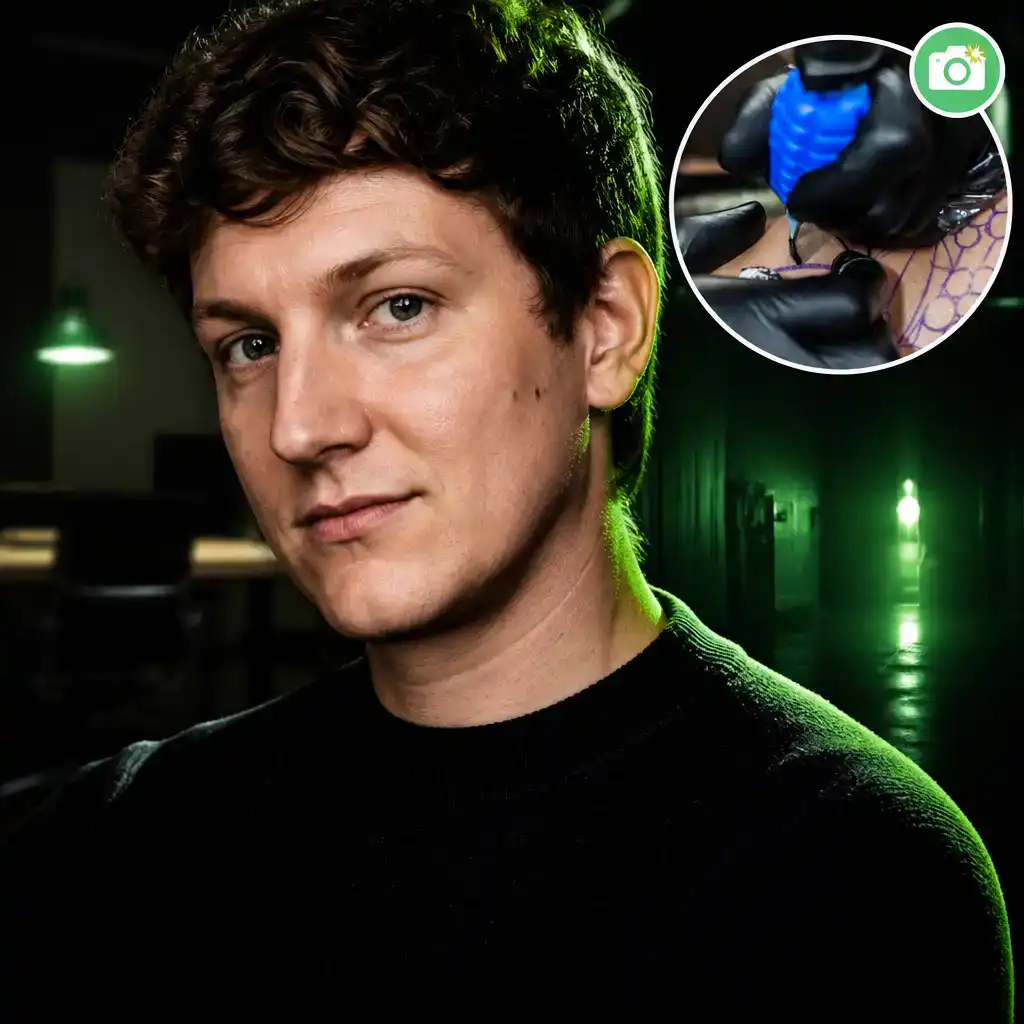
A LemonLime tattoo job interview offer has left the San Francisco AI startup apologizing, disputing what happened and facing uncomfortable questions about consent. The company invited party guests to receive permanent tattoos in exchange for an immediate interview, linking a lasting decision to the possibility of employment. Recruitment can be demanding, but it does not usually require aftercare instructions.
Chief executive Jordan Zietz later called the promotion “reckless” and acknowledged “the pressure and power dynamic created by connecting tattoos to hiring.” Yet conflicting accounts remain over whether participants actually received the company’s lemon-wedge logo and whether everyone pictured was even looking for work.
What happened at LemonLime’s party?
LemonLime hosted an afterparty at its office during Y Combinator Startup School. In a since-deleted LinkedIn post, Zietz said the event was intended to meet “exceptional people” and identify those who were “just as crazy as we are.”
The company hired a tattoo artist for the party and promised an instant interview to anyone who received what Zietz described as a LemonLime tattoo.
“We are bold, we take risks, and we do things that haven’t been done before,” he wrote.
According to Zietz’s original post, seven people accepted the offer. Inc reported that the company said all seven remained under consideration for a position, while three also agreed to go skydiving with the team.
That account became less clear once criticism arrived. Zietz told the San Francisco Standard that nobody had received the corporate logo, despite his original description of the offer. The Standard confirmed that seven attendees were tattooed but found conflicting reports about the designs.
Participants dispute the company’s version
Attendee Dimple Amitha Garuadapuri told the San Francisco Standard that Zietz’s denial was “100% incorrect.” She said “almost everyone else” received the company logo. Another attendee said they saw at least one person tattooed with a lemon.
Zietz used the same phrase, “100% incorrect,” to reject Garuadapuri’s account.
Inc also reported a separate consent dispute involving her photograph. Garuadapuri said LemonLime used an image of her without permission and presented her existing personal tattoo as though she had received it while pursuing a job. She said she was not seeking employment with the company.
That claim complicates LemonLime’s statement that all seven tattooed attendees remained candidates. It also shifts the controversy beyond an ill-judged recruitment stunt. The dispute now concerns how an attendee’s image and intentions were represented publicly, with no reported resolution as of August 4.
No subsequent report has identified any participant as hired, rejected, formally interviewed or seeking tattoo removal.
What did Jordan Zietz say in his apology?
After the LinkedIn post drew criticism, Zietz issued a lengthy apology on X. He described the event as reckless and conceded that tying permanent body art to access to a job interview created an inappropriate imbalance between an employer and potential applicants.
He also offered to cover tattoo removal expenses for anyone experiencing what he called “delayed regret.” No participant has publicly been identified as accepting that offer.
A Y Combinator spokesperson told Inc that companies backed by the accelerator operate independently and make their own hiring decisions. The spokesperson added that using permanent ink in recruitment “may be a new one.”
The concern is not simply that tattoos are permanent. Candidates often feel pressure to demonstrate enthusiasm, flexibility and commitment, particularly when applying to small startups where founders control the process directly. Offering privileged access to an interview in return for a permanent physical change turns that pressure into something unusually visible.
What does LemonLime actually do?
Y Combinator lists LemonLime as an active member of its Summer 2026 batch, not a graduate of the program. The company was founded in 2026 by Jordan Zietz and Daniela Muñoz and has a five-person team.
Its product is described as no-code software that connects with a company’s business tools, studies internal information and creates artificial intelligence agents and automated workflows. The San Francisco Standard reported no apparent outside financing beyond Y Combinator’s standard $500,000 investment.
The company’s advertised culture is demanding even without tattoos. Zietz has said the entire team works from the office seven days a week. He also said more than a dozen applicants withdrew after objecting to evening or weekend work.
That context helps explain why the tattoo offer drew such a strong response. It was not presented in isolation, but as part of a workplace identity built around unusually intense commitment. For applicants, the difference between voluntary enthusiasm and implied pressure can become narrow when an interview is the reward.
How can applicants now get an instant interview?
LemonLime remains listed as active by Y Combinator, although its profile showed no advertised vacancies as of August 4. Zietz has since promoted a different route to an instant interview that does not involve needles.
Applicants can submit an email address and achieve a perfect score in LemonLime’s lemon-versus-lime game. The replacement still favors unconventional screening, but the consequences are limited to time spent playing rather than a permanent mark.
Whether any of the seven tattooed attendees ultimately joins LemonLime remains unknown. The larger issue is already clear: a hiring stunt intended to advertise boldness instead highlighted how much power employers hold when candidates believe an opportunity depends on proving just how far they are willing to go.