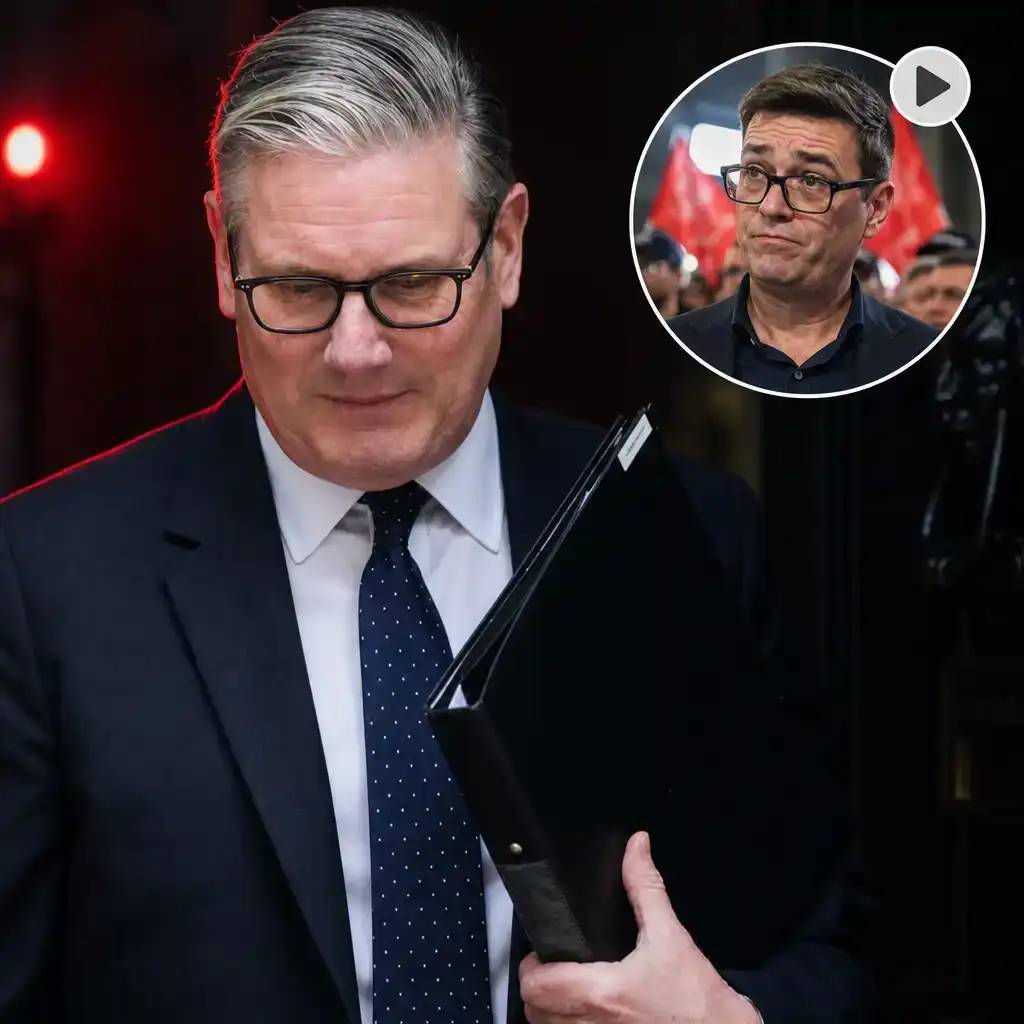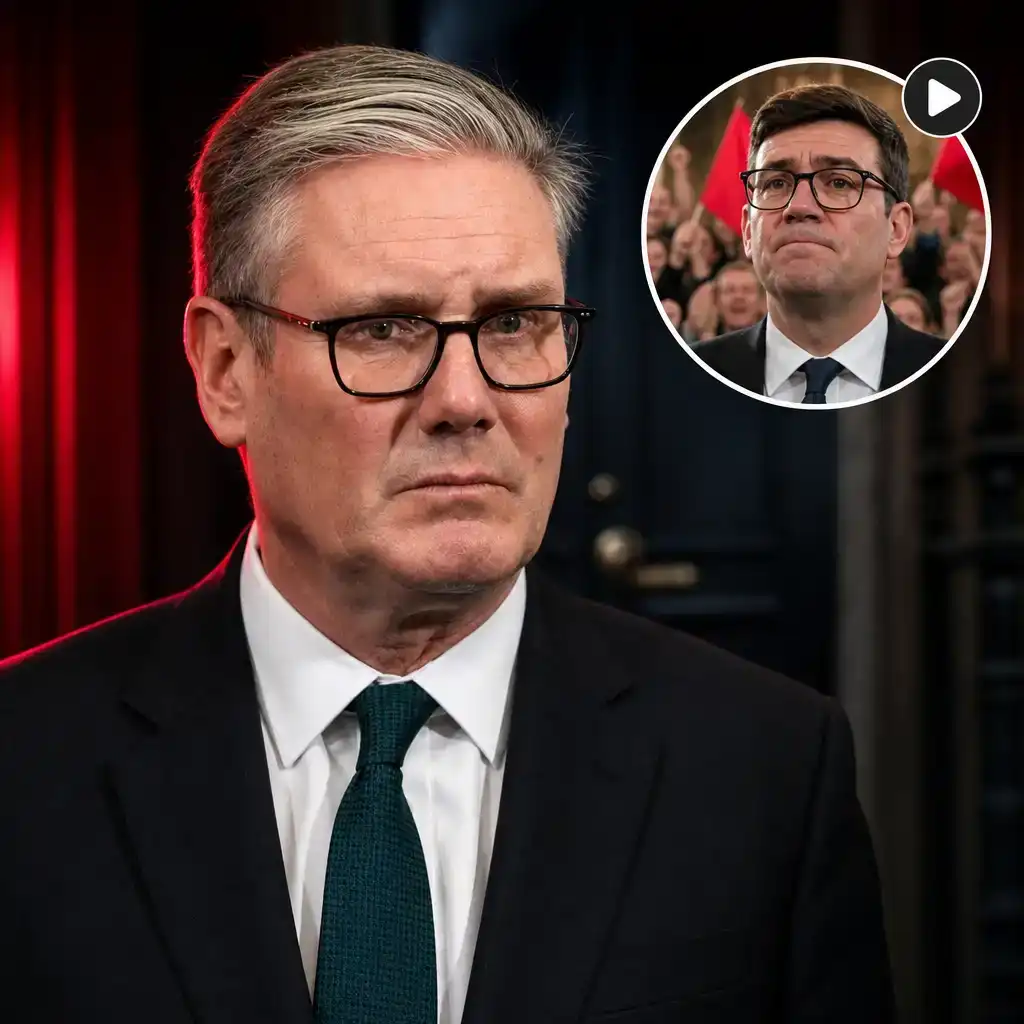
Keir Starmer resigns after a turbulent two-year run in Downing Street, ending a premiership that began with a sweeping Labour victory and finished with record-low approval ratings, party infighting, and a very public loss of confidence from his own side.
The Prime Minister announced on Monday that he would step down as leader of the Labour Party, saying he had spoken to King Charles III earlier that morning to confirm his decision. It was a stark reversal for a leader who took Labour into government in July 2024 with a landslide mandate and a long list of promises to repair Britain’s battered public services.
Why did Keir Starmer step down?
Starmer’s resignation followed months of pressure inside Labour, with mounting scandals and deteriorating public support leaving his leadership increasingly exposed. The immediate political blow came after former Greater Manchester mayor Andy Burnham won a by-election to enter Parliament as the new MP for Makerfield.
Burnham’s victory was more than another Westminster result for people to pretend they had calmly predicted. It gave Labour MPs a clear alternative figure at the very moment many were asking whether Starmer could lead the party into the next general election.
Burnham is now widely tipped to succeed Starmer as Prime Minister after a surge of internal support. According to the reported timetable, he could take over as early as September.
What did Starmer say outside Downing Street?
Speaking from 10 Downing Street, Starmer opened by defending his record in office, listing what he described as major achievements across the economy, public services, workers’ rights, defence, immigration and child poverty.
He said his government had delivered “an economy that is stronger,” with wages rising faster than inflation every month since Labour came to power. He also pointed to infrastructure investment, “an end to austerity,” and what he called “the fastest fall in NHS waiting lists for 17 years.”
Starmer also cited improvements in rights for workers and renters, the largest rise in defence spending since the Cold War, falling small boat crossings, the closure of asylum hotels, and new measures aimed at protecting young people from social media.
But the tone shifted as he acknowledged that Labour’s central question had changed. The issue, he said, was no longer who had been best placed to change the party and return it to government.
“The question my party is asking now is whether I am best placed to lead us into the next general election,” Starmer said. “I have heard the answer of my parliamentary party to that question, and I accept that answer with good grace.”
What happens next for Labour?
Starmer said his resignation was in the national interest, saying: “Every decision I have taken has been about putting the country I love first — that is why I will resign as leader of the Labour Party.”
His departure leaves Labour facing a rapid leadership transition while still in government. Burnham’s return to Parliament has shifted the internal balance of power, and his support among Labour MPs could make him the clear frontrunner to take over both the party leadership and the premiership.
The handover, if it proceeds on the expected timetable, would bring another change at the top of British politics after years of rapid turnover. For voters, it means yet another Prime Minister may arrive without a general election immediately preceding the change, that is legal and familiar, but not exactly calming.
How unusual is another Prime Minister resigning?
Starmer’s resignation marks the sixth departure of a U.K. Prime Minister in 10 years. He follows Rishi Sunak, Liz Truss, Boris Johnson, Theresa May and David Cameron, a list that reads like a quick tour through Britain’s recent political instability.
For Labour, the emotional stakes are sharper because Starmer’s premiership began with such a commanding win. The party was handed a rare chance to govern with authority, but internal confidence collapsed before he could make the case for a second term.
Now Labour must decide whether Burnham can provide the political reset MPs appear to want, while the public waits to see whether another change in leader brings stability or simply a new name on the lectern.