Italy’s coach search has moved from a contest between two decorated managers to a debate about what the national team is actually trying to become. Pep Guardiola and Carlo Ancelotti have reportedly declined approaches from the Italian Football Federation, leaving Andrea Pirlo as the emerging favorite to inherit a side that has now missed three consecutive World Cups.
Corriere della Sera reported on July 24 that Guardiola turned down the position, saying he was honored by the offer but wanted to spend time away from football with his family. Globo also reported his refusal and Pirlo’s rise in the discussions. L’Équipe had reported a day earlier that Ancelotti declined as well.
The federation, known as the FIGC, had started with two of the most successful coaches available in theory. Availability in practice proved slightly less cooperative.
Why Guardiola and Ancelotti were approached
New FIGC technical director Paolo Maldini confirmed that officials spoke with both managers. Maldini and special adviser Leonardo recently spent three days in Barcelona discussing the role with Guardiola, according to reporting by Sky Sport.
“We can’t hide that we also talked with Carlo Ancelotti before talking with Pep,” Maldini said. “Honestly, it seemed right to start with the best in the world, to see their general availability.”
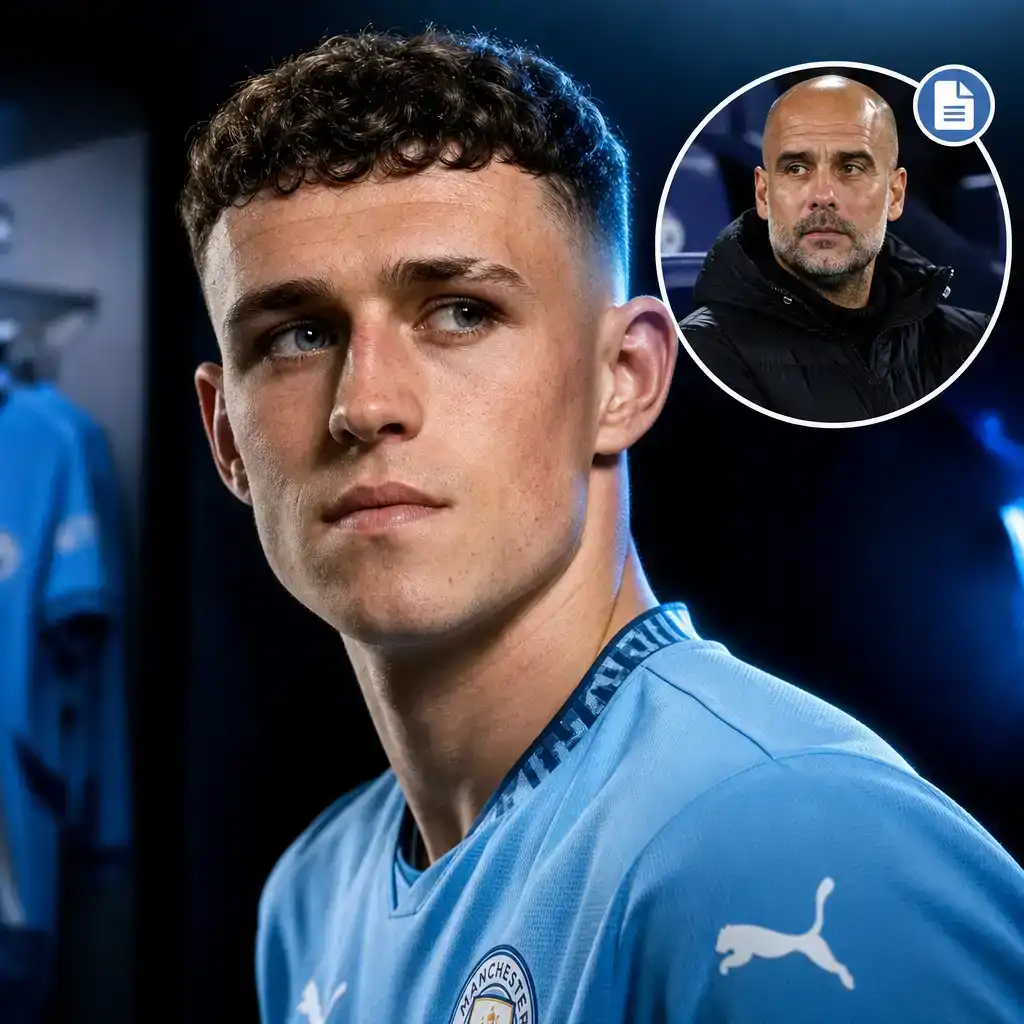
Guardiola, 55, left Manchester City at the end of last season after a trophy-heavy 10-year spell. Across jobs with Barcelona, Bayern Munich and City, he has won 35 major titles and built teams around a highly specific possession-based system.
Ancelotti, 67, is the only coach to have won the Champions League five times. He has also collected domestic league titles in Italy, England, France, Spain and Germany. But he signed an extension with Brazil in May that runs through the 2030 World Cup, even after Brazil exited the latest tournament in the round of 16 following a 2-1 defeat by Norway.
Former Italy midfielder Demetrio Albertini also questioned whether Guardiola’s methods would suit the available players, arguing that “Italy cannot play like Spain.” The comment captured the larger issue: recruiting a famous coach is easier than importing an entire football culture.
How Pirlo became the leading candidate
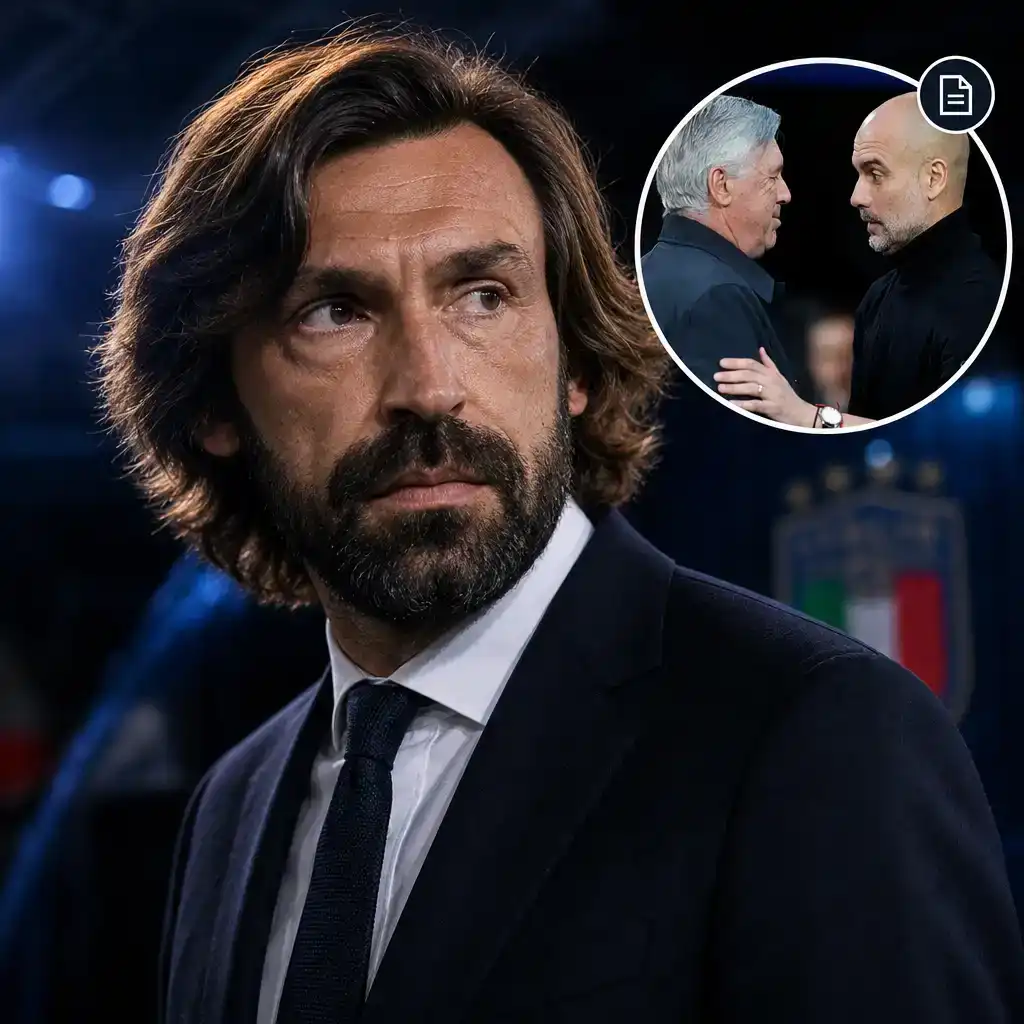
With Guardiola and Ancelotti reportedly out, Pirlo has moved to the front of the field. The former Juventus and AC Milan midfielder helped Italy win the 2006 World Cup and later coached Juventus, where he won the Coppa Italia and Supercoppa Italiana.
His candidacy also appears to reflect an internal argument over direction. AS reported that Maldini and Leonardo favor Pirlo as part of a longer rebuilding project, while FIGC president Giovanni Malagò and Serie A clubs prefer a more experienced appointment such as Roberto Mancini or Antonio Conte. Those options would likely carry higher costs as well as more established records.
Mancini led Italy to the European Championship title in 2021 before leaving the position in 2023. Conte previously managed the national team from 2014 to 2016. However, Conte told AS, “Nobody has contacted me,” complicating reports that he was already an active candidate.
Malagò had said discussions with Guardiola remained open before the reported rejection. He has identified July 28 as a possible date for announcing the next coach, although Maldini has insisted that the federation would rather wait for its preferred choice than make a rushed appointment.
“The best thing would be to announce the new coach this week, but even more to wait for the person we really want,” Maldini said. “So there’s urgency, but not so much inside us.”
Italy’s latest World Cup failure raised the stakes
The vacancy followed another grim qualifying campaign. Italy was eliminated by Bosnia and Herzegovina on March 31 after a 1-1 draw and a penalty shootout defeat, rather than a regulation-time loss. The Azzurri played part of the match with 10 men against a team ranked 66th in the world.
Bosnia joined Sweden, Turkey and the Czech Republic as Europe’s playoff qualifiers, according to FIFA. For four-time champion Italy, the result confirmed a third consecutive failure to reach the World Cup. The country will have gone at least 16 years without playing a match at the tournament.
The defeat prompted the resignations of FIGC president Gabriele Gravina and coach Gennaro Gattuso. Gattuso had replaced Luciano Spalletti only the previous June, after Spalletti was dismissed with qualification already in trouble following an opening defeat in Norway.
That sequence has made the coaching decision more than a familiar exercise in replacing the person nearest the technical area. Italy has cycled through accomplished managers while the underlying problems have remained stubbornly employed.
Can a new coach fix the wider system?
Maldini, the former Italy and AC Milan defender appointed technical director at the beginning of July, has indicated that his project extends beyond the senior team. The aim is to establish a common identity across Italy’s national sides, linking youth development with the way the senior squad is selected and trained.
That gives the Pirlo debate a different shape. Hiring him would not simply mean choosing the least unavailable name after Guardiola and Ancelotti. It would signal support for Maldini’s longer-term plan, even if Pirlo lacks the international experience and extensive club résumé of Mancini or Conte.
Choosing a veteran, meanwhile, could provide immediate authority during a crisis but would not automatically solve the development and tactical questions exposed by three failed qualifying campaigns. Italy won Euro 2020 under Mancini, then missed the following World Cup. The contrast is not subtle.
The FIGC now has several recognizable candidates but no painless option. Pirlo represents continuity with Maldini’s proposed rebuild. Mancini offers a recent history of success. Conte brings experience and intensity, assuming somebody contacts him first.
After pursuing two global coaching heavyweights, Italy’s decision has narrowed into a more important question: whether the federation wants a short-term rescue or a system designed to prevent the next one.