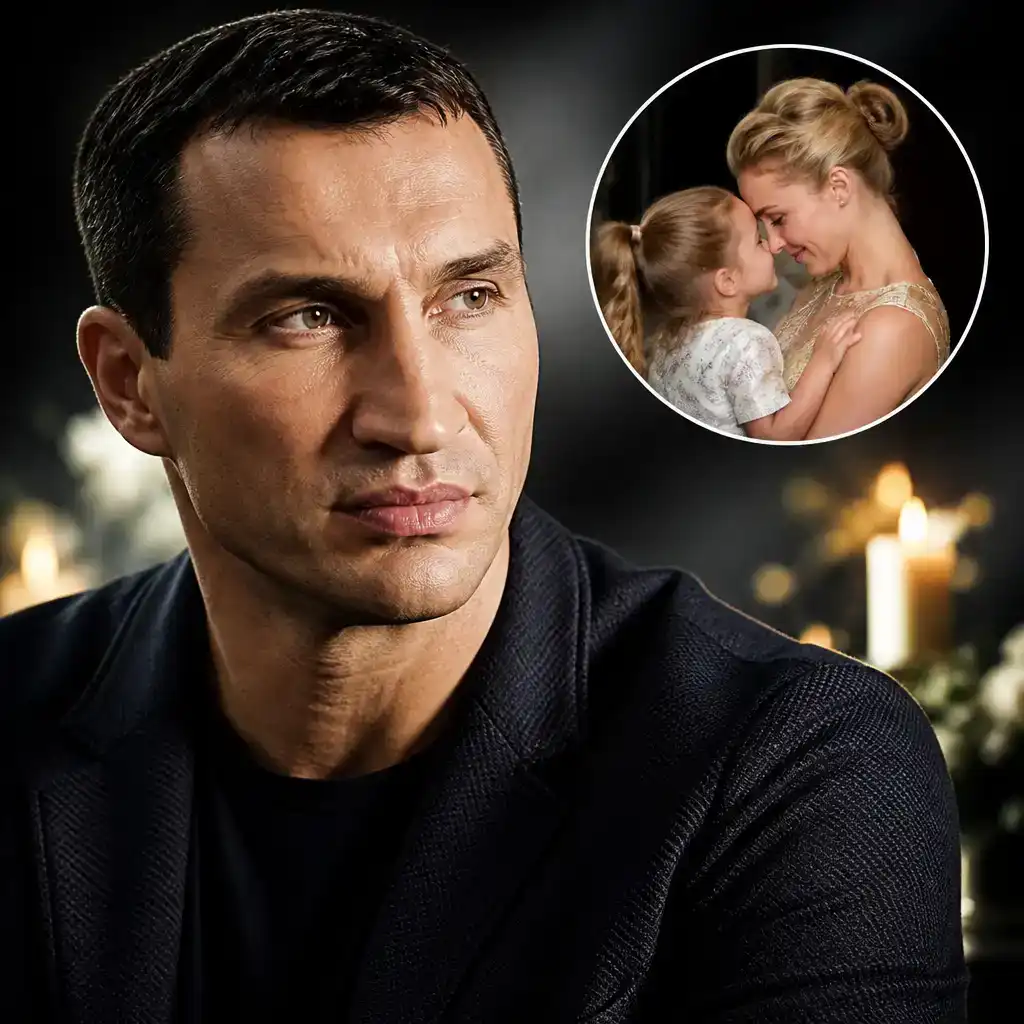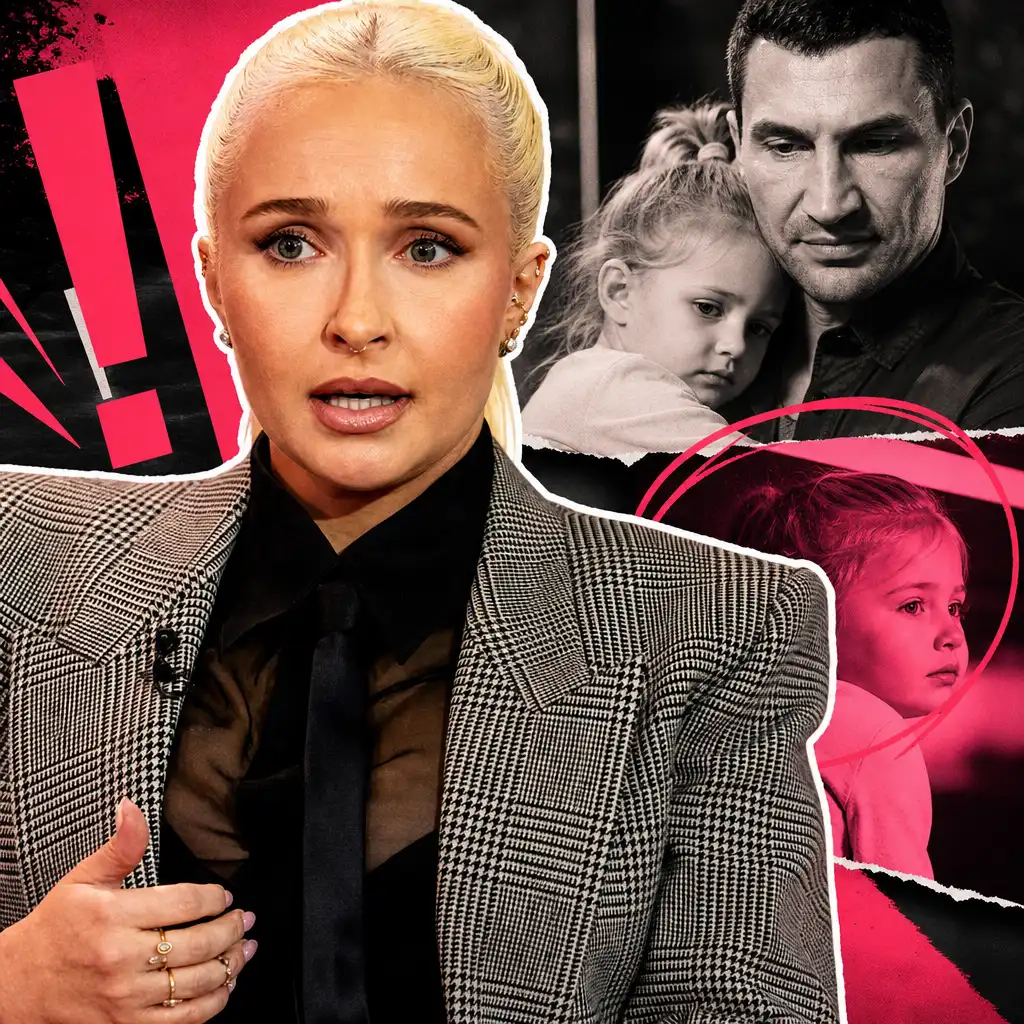
Hayden Panettiere’s custody decision was often reduced to the blunt claim that she “gave up” her daughter. Her own accounts described something more complicated: legal pressure, addiction treatment, severe postpartum depression and a child whose life had already become established with her father, Wladimir Klitschko, in Ukraine.
Before her death at 36, Panettiere spoke repeatedly about the pain of living apart from 11-year-old Kaya. She also said protecting her daughter’s stability and privacy mattered more than forcing a different arrangement for appearances. Celebrity family life rarely fits neatly into a headline, inconvenient though that may be.
Was the custody arrangement entirely her choice?
Panettiere and former heavyweight boxing champion Wladimir Klitschko welcomed Kaya in December 2014. By 2018, while the actress was struggling with addiction and mental-health problems, Kaya began living full-time with her father in Ukraine.
In her 2026 memoir, This Is Me: A Reckoning, Panettiere recalled initially resisting when Klitschko sought full custody. She later accepted the arrangement after seeing how stressful repeated travel between the United States and Ukraine had become for Kaya, and how settled her daughter appeared with her father.
But Panettiere had previously challenged the idea that she freely chose every part of the process. Speaking to ABC News in 2022, she said it “wasn’t fully my decision” and explained that Klitschko requested full custody while Kaya was already in Ukraine.
That distinction matters. Saying a mother simply surrendered custody strips away the legal and practical circumstances she described. Panettiere eventually decided not to disrupt Kaya’s established life, but that was not the same as enthusiastically signing up for years of transnational parenting.
She remembered the paperwork with painful clarity: “No mother could forget a single thing about the day she signed her child away.”
How did postpartum depression affect Panettiere?
Kaya’s birth was life-threatening for Panettiere. In a July 2026 interview with parenting outlet Momé, she said she haemorrhaged during the delivery, required seven blood transfusions and underwent surgery to repair failing blood vessels.
“I closed my eyes and just prayed for my daughter to be OK,” she said. “I truly was ready to go if it was my time. Kaya being safe and healthy was all that mattered.”
Days later, however, Panettiere said she felt “nothing” when looking at her baby. She was diagnosed with postpartum depression and first entered treatment when Kaya was four months old. The Centers for Disease Control and Prevention estimates that roughly one in eight women with a recent live birth experiences symptoms of the condition.
Panettiere said alcohol became a way to get through each day. Her drinking progressed into dependency, while opioids and medication used for sleep added to her problems. She underwent several periods of treatment, including an eight-month stay in rehabilitation in 2020, and described withdrawal symptoms including insomnia and severe headaches.
She later argued that treatment initially focused on her substance use without properly addressing the depression beneath it.
“I wish more people had known what it was at the time,” she told Momé. “Maybe I wouldn’t have waited so long to get help.”
What did she say about living apart from Kaya?
On Jay Shetty’s On Purpose podcast, recorded only weeks before her death, Panettiere said the prospect of no longer seeing Kaya every day had been almost impossible to process.
“That was incredibly difficult,” she said. “The fact that my child wasn’t going to be with me all day every day was just ... you can’t put words to it.”
Her memoir was equally direct. Panettiere called living under a different roof from Kaya “the most gut-wrenching experience of my life” and wrote about feeling sadness, resentment and anger.
“I grieve that I’m not the mother I thought I’d be and definitely not the mother I want to be,” she wrote, adding that “no one should ever have to raise a child on FaceTime.”
Even so, she described their bond as “incredibly strong” and said they spoke regularly. In the Momé interview, Panettiere called Kaya a “mini-me” and said she was proud of the young woman her daughter was becoming.
She also defended Kaya’s right to remain outside the machinery of public celebrity. “She didn’t ask to be born into the limelight or my chaos,” Panettiere wrote. “I want her to have every choice that I didn’t, including the ability to live a private life.”
Her hope, she said, was that Kaya would eventually understand why her mother could not always be physically present.
How did childhood fame shape her later struggles?
Panettiere entered the entertainment industry before she could walk, appearing in a commercial at 11 months old. Recurring soap roles followed, along with performances in A Bug’s Life and Remember the Titans.
At 17, she became internationally recognised as cheerleader Claire Bennet in Heroes. She later spent six seasons playing country singer Juliette Barnes in Nashville, a character who also experienced postpartum depression.
In her memoir, Panettiere alleged that members of her professional circle exposed her to drugs and predatory behaviour while she was still a teenager. She said someone on her team began giving her “happy pills” at 15 to make her appear energetic during interviews.
She also described several alleged incidents involving powerful men in entertainment. Panettiere said a trusted person placed her in bed beside an undressed famous man when she was 18. She alleged that a network executive kissed her without permission at a party, and that an award-winning actor tricked her into looking through his open fly when she was 19.
The memoir also addressed her sexuality, her addiction and the death of her younger brother, Jansen Panettiere. He died in 2023 at 28 from an enlarged heart. That loss, she said, profoundly affected her recovery.
After five years away from film and television, Panettiere returned as Kirby Reed in 2023’s Scream VI.
What is known about her death?
Panettiere was found unresponsive at an apartment in Greenville, South Carolina, on August 16, 2026. According to a police report obtained by The Associated Press, paramedics attempted CPR before she was pronounced dead at 2:31 p.m.
Her on-and-off boyfriend, Brian Hickerson, and his brother Zach were at the apartment, the report said. An autopsy found no trauma, and police reported no apparent evidence of foul play or suspicious circumstances. The official cause of death remains undetermined.
Dispatch audio cited by People reportedly included the terms “cardiac arrest” and “overdose,” but neither description constitutes an official finding. Details about medication at the apartment and parts of officers’ conversation with Hickerson were redacted from the report.
Hickerson previously pleaded no contest to two counts of injuring a spouse or partner. He received jail time, probation and anger-management requirements. Panettiere’s mother, Lesley Vogel, has accused him of repeatedly “enabling” her daughter. That allegation has not been substantiated, and police have not connected Hickerson to criminal conduct in Panettiere’s death.
Her father, Skip Panettiere, called his daughter “an incredible light and a force of nature” who brought love and joy to those who knew her and watched her onscreen.
How have Klitschko and her colleagues responded?
Klitschko said Panettiere “left this world far too soon” and promised to make sure Kaya remembers her mother “with respect.” His statement placed their daughter where Panettiere had consistently placed her in public comments: at the centre, but protected from unnecessary exposure.
Former Nashville co-star Connie Britton remembered Panettiere as “bursting with brilliance.” Viola Davis wrote that the actress’s “tests became your testimony.” Gayle King offered a more sombre assessment, saying that although Panettiere described herself as healthier during an interview in May, she appeared “clearly still struggling.”
Panettiere never presented her recovery as simple or complete. Nor did she describe motherhood from a distance as painless. She said she missed Kaya so much that her “heart aches,” while also insisting that her daughter deserved stability, privacy and choices her own childhood in Hollywood had denied her.
That fuller account is less tidy than saying she gave up custody. It is also considerably closer to what Panettiere actually said.