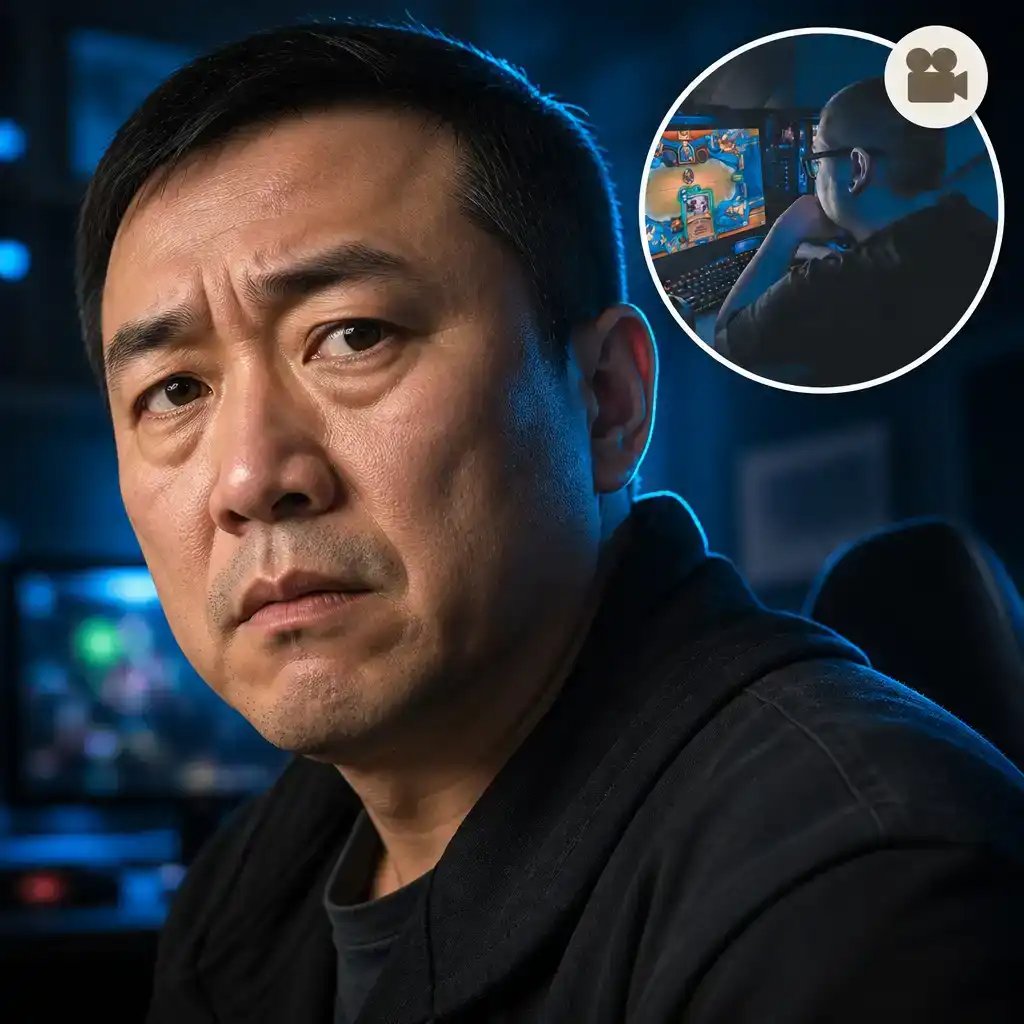
A father in China has filed a video game addiction lawsuit against four major publishers, asking for just 10 yuan, about $1.50, after alleging their safeguards failed to stop his son from playing excessively.
The man, identified only by his surname Qin, brought the case in Tanghe County, Henan province. He is suing Tencent, NetEase, miHoYo, and 37 Interactive Entertainment.
The token compensation is deliberate. Qin says the case is not really about money, which the requested sum makes reasonably clear. He wants the court to push gaming companies to enforce protections intended to limit how long minors can play.
How much time did Qin’s son spend gaming?
Qin said his son played online games for years and would sometimes remain awake until 3 or 4 a.m. on weekends.
Records from one account reportedly showed 1,868 hours of play since March 2024, an average of 2.44 hours per day. The teenager allegedly avoided age restrictions by opening an account using identification belonging to his adult sister.
That detail sits at the center of Qin’s complaint. China already requires online gaming companies to use identity checks and time limits for younger players, but borrowed adult credentials can undermine those controls. Qin argues that the companies should do more than simply have restrictions on paper.
China introduced strict national limits for underage players in 2021. Minors are generally allowed to play online games only from 8 p.m. to 9 p.m. on Fridays, weekends, and official holidays.
What happened before the lawsuit was filed?
The legal action came roughly one month after a serious medical emergency involving Qin’s son, who turned 18 earlier in 2026.
On May 23, the teenager swallowed 18 fever-reducing pills. He later became severely ill, collapsed, and was taken to a hospital, where doctors diagnosed drug poisoning. He recovered after receiving treatment.
The teenager has not told his family why he took the medication. Qin believes the incident may have been related to his son’s gaming behavior, but no connection has been established.
That uncertainty matters. The hospital episode gives the case its emotional urgency for the family, but it does not prove that gaming caused the teenager’s actions. Qin’s confirmed legal argument concerns whether the companies adequately applied their anti-addiction systems.
When will the case be heard?
A hearing was initially scheduled for July 6. It was postponed after several of the defendants challenged whether the Tanghe County court had jurisdiction over the dispute.
No replacement hearing date has been announced, leaving the lawsuit at a procedural stage before its broader claims can be examined.
The case also raises a difficult enforcement question: how far should a platform be expected to go when a minor uses an adult relative’s identity? China’s rules place substantial responsibility on game operators, while Qin’s allegations suggest identity-based checks can still be bypassed inside a household.
Have families sued gaming companies before?
Qin’s claim follows other lawsuits that have accused major gaming businesses of encouraging compulsive play or harmful spending.
In 2023, a mother in Arkansas sued companies including Activision Blizzard, Electronic Arts, Epic Games, Microsoft, and Ubisoft. She sought damages over what she described as her son’s gaming addiction.
In a separate case, a young player sued Nintendo over microtransactions in Mario Kart Tour after making purchases with his father’s credit card. The complaint characterized the transactions as “immoral.”
Qin’s requested award is far smaller than the sums typically associated with corporate litigation. But the modest figure is part of the point: he is seeking a ruling that could test whether China’s tightly written restrictions are being enforced effectively when families say the technology has failed them.