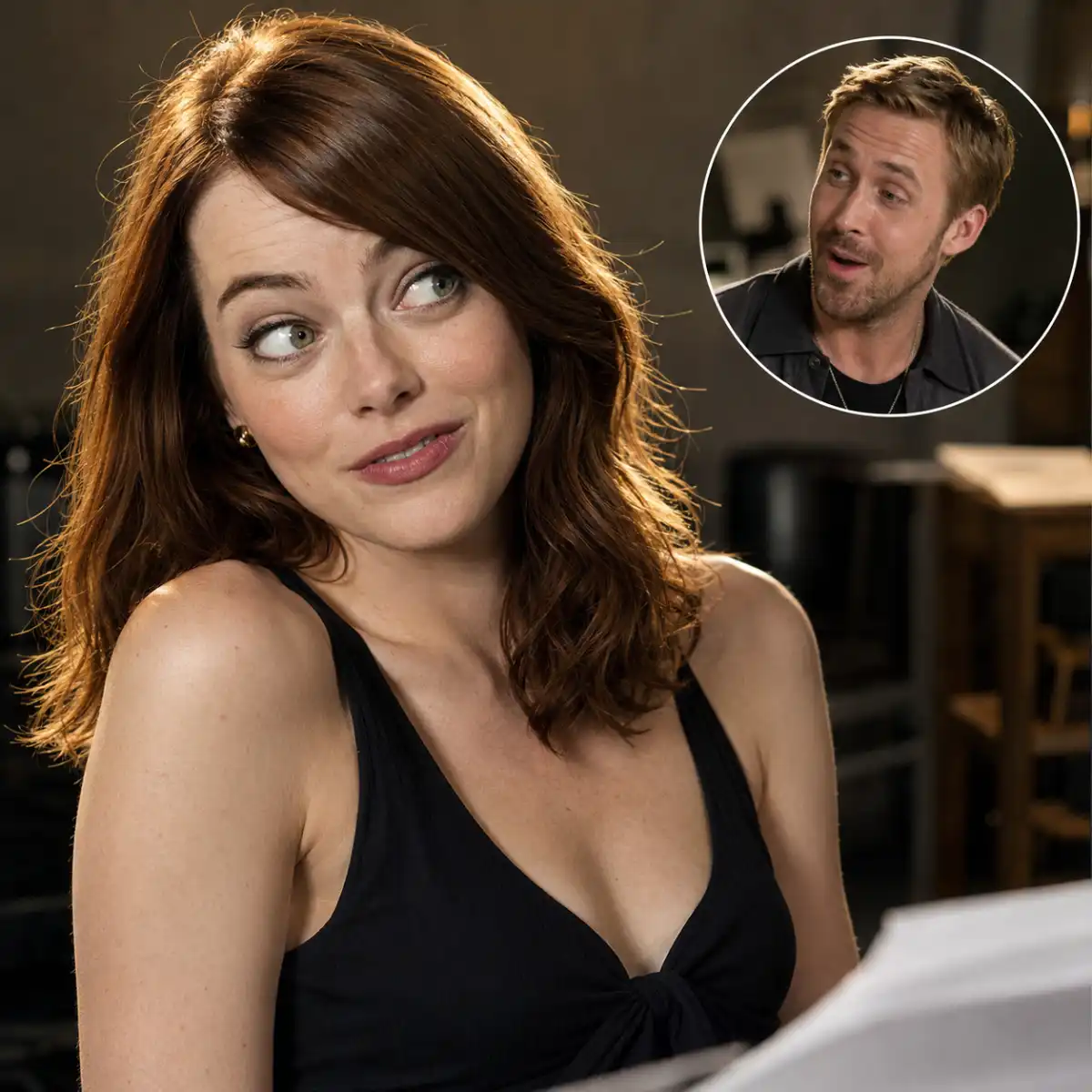
Emma Stone’s Crazy, Stupid, Love audition succeeded because she treated Ryan Gosling less like an intimidating movie star and more like a colleague who had just missed his line. When Gosling stumbled during the reading, Stone immediately teased him. Directors Glenn Ficarra and John Requa saw the relaxed, quick chemistry they needed and ended their search.
The moment also forecast how the pair would work together on screen. Their scenes relied on playful improvisation, giving the film’s central romance a warmth that could not be manufactured by casting two attractive people and hoping everyone ignored the machinery.
Why did Emma Stone get the role?
Ficarra told People in an interview published July 29, 2026, that the filmmakers had spent a full day auditioning actresses opposite Gosling. Many gave strong readings, but some became visibly unsettled when he entered the room, even though, according to Ficarra, Gosling was simply being himself.
Stone, who was in her early 20s at the time, reacted differently. When Gosling flubbed a line while reading off camera, she replied without hesitation: “Oh, you’re killing this. You’re doing great.”
Her teasing made the decision straightforward. Ficarra said the filmmakers immediately thought, “Okay, that’s it. That’s the person.” He and Requa, who later directed Whiskey Tango Foxtrot, came away wanting to work with her “desperately.”
The exchange showed that Stone could match Gosling’s humor without appearing overwhelmed by him. That mattered because Hannah Weaver and Jacob Palmer, their characters in the 2011 romantic comedy, needed to feel like two people discovering an unexpected connection, not performers carefully completing a chemistry test.
How improvisation shaped the romance
In the film, Jacob begins a relationship with Hannah before learning that she is the daughter of Cal Weaver, played by Steve Carell. Cal’s disapproval adds conflict, but the relationship works emotionally because Hannah and Jacob seem comfortable enough to surprise each other.
Ficarra identified their bedroom montage as a standout sequence. Rather than following a tightly controlled romantic scene, the directors kept cameras running for hours and allowed Stone and Gosling to experiment. Requa recalled that the actors watched YouTube videos, traded impressions and repeated bits the directors had noticed away from the set.
“We just kept saying, ‘Do that thing you were doing when we were standing over in video village the other day. Do that thing,’” Requa said. He added that the crew and actors thought the directors had “lost our minds.” The resulting montage feels spontaneous because much of it was.
Stone offered a similar account to Interview magazine in 2012. She said the sequence left her “knocked out” and explained that Ficarra and Requa had given her and Gosling a day simply to spend time together. The filmmakers were not only recording jokes. They were creating enough trust for the characters’ intimacy to look lived-in.
How the film launched a lasting screen partnership
Stone joined the project after her breakout lead performance in 2010’s Easy A. Crazy, Stupid, Love then became the first of three films pairing her with Gosling.
They reunited for:
- Gangster Squad in 2013
- La La Land in 2016
Stone won her first Academy Award for La La Land, while the pair’s musical romance drew on the same basic quality that distinguished their first audition together: an ability to move between teasing, vulnerability and affection without making the transitions feel forced.
The original film also found a substantial audience. According to The Numbers, it cost about $50 million to produce and earned approximately $145 million worldwide, around 2.9 times its reported budget. Its ensemble included Carell, Julianne Moore, Marisa Tomei and Kevin Bacon, but the Stone-Gosling pairing became one of its most durable legacies.
That endurance helps explain why the casting story keeps returning. It offers a neat human answer to a difficult industry question: how do filmmakers recognize chemistry before audiences can see it? In this case, they watched one actor make a mistake and another make him laugh.
The anniversary coverage got ahead of the calendar
The July 2026 report referred to the cast and crew celebrating the film’s 20th anniversary. IMDb records the United States release date as July 29, 2011, meaning the occasion was actually the 15th anniversary. The calendar, regrettably, remains difficult to improvise around.
The anecdote itself was also a revival rather than a new disclosure. Yahoo Entertainment quoted Ficarra telling essentially the same story in 2016. In that version, Stone responded to Gosling’s missed line with, “Oh, you’re killing this buddy.” FandomWire repeated the account in 2024.
The wording has shifted slightly across retellings, but the substance has remained consistent for at least a decade. Stone’s refusal to be intimidated demonstrated the humor and confidence the role required. The same instinct later shaped the improvised bedroom montage and helped establish a screen partnership that filmmakers would revisit twice more.
So the audition story is old, and the anniversary label was five years early. Still, the reason it remains appealing is clear. Stone did not win the role by delivering a grand dramatic speech. She noticed a nervous moment, responded like a person rather than an applicant and gave the directors the relationship they were trying to cast.