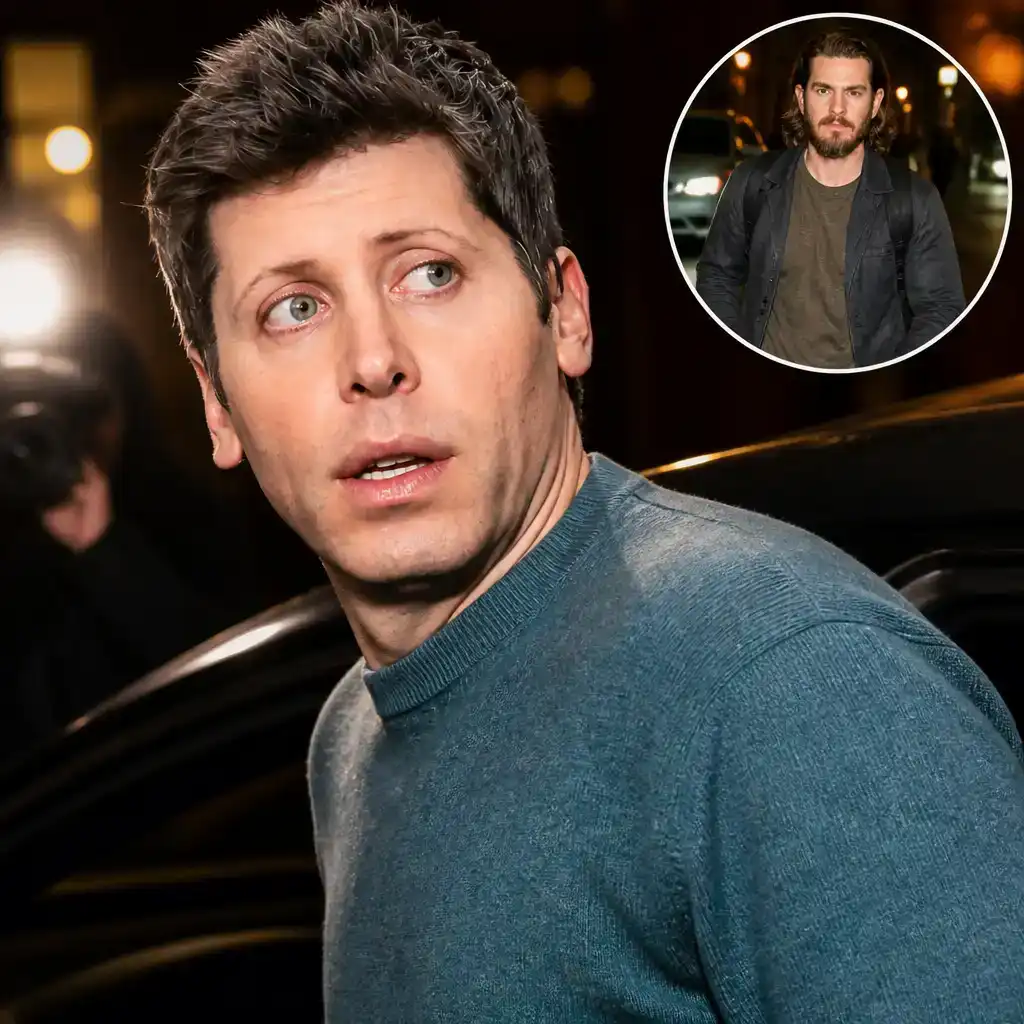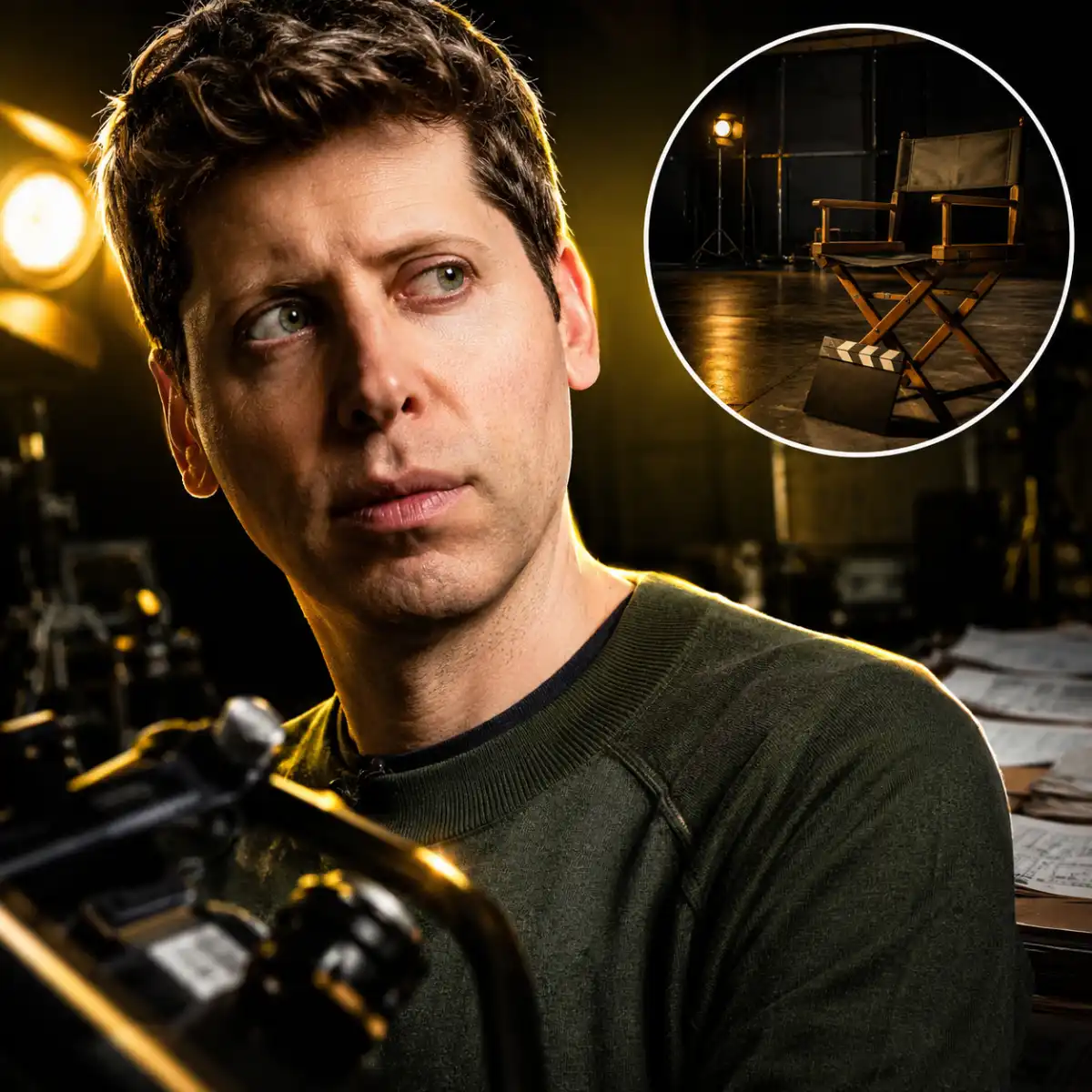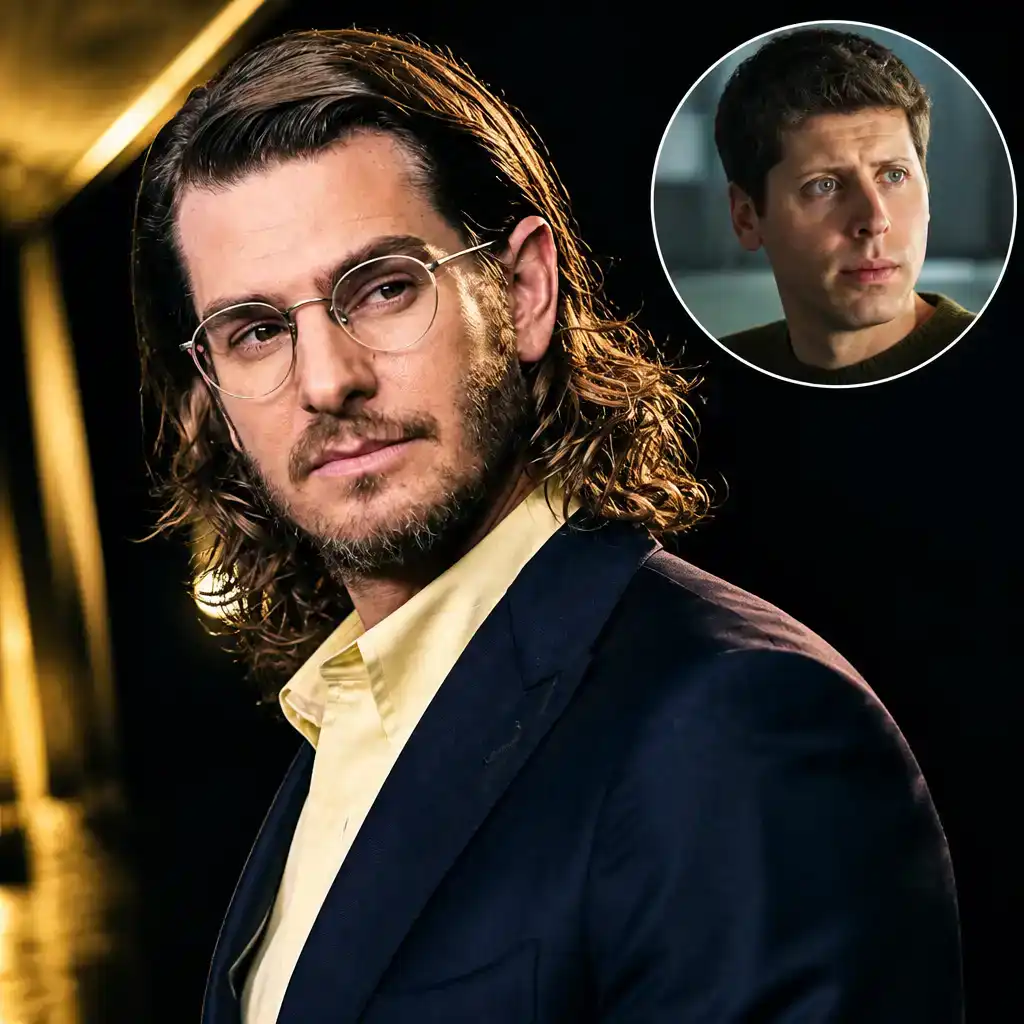
Andrew Garfield plays Sam Altman in Artificial, but his first impression of the OpenAI chief executive was considerably warmer than the one he developed while preparing for the film.
At the movie’s world premiere during the New York Film Festival, Garfield recalled watching Altman testify before Congress and finding him unusually convincing.
“I was like, ‘This guy seems fucking great,’” Garfield said. He viewed Altman as honest, transparent and willing to discuss regulation, describing him as “incredibly charming and charismatic.” Then came the research. “And then you learn more about a person,” he added.
Research changed Garfield’s view of Altman
Garfield spent two to three months watching footage of Altman and listening to him speak before filming began. The actor said the role carried a moral responsibility, particularly as reports about the risks of artificial intelligence appeared almost daily during production.
“I wish we could give it even more teeth,” he said. Garfield argued that the public needs to examine the people receiving enormous amounts of power and autonomy through the rapid expansion of AI.
That concern sits at the center of Artificial. Directed by Luca Guadagnino and written by Simon Rich, the film follows OpenAI’s development and dramatizes the turbulent period in which its board fired Altman in November 2023, only for him to return as chief executive days later. Corporate governance briefly became a global spectator event, which is not usually how board meetings work.
The premiere at Lincoln Center’s Alice Tully Hall also brought together Yura Borisov, who plays OpenAI co-founder Ilya Sutskever; Ike Barinholtz, who portrays Elon Musk; and Cooper Hoffman, who appears as OpenAI president Greg Brockman. Monica Barbaro, who plays former OpenAI chief technology officer Mira Murati, did not attend.
How does Garfield approach a living subject?
Garfield has played several real people, including Facebook co-founder Eduardo Saverin in The Social Network and composer Jonathan Larson in Tick, Tick... Boom! He said portraying Altman required the same awareness that a living person may watch a dramatized version of himself and reject what he sees.
“I feel a tremendous amount of compassion for what that must feel like, being on the inside of his soul, going like, ‘That’s not me,’” Garfield said. “I imagine it would feel confronting. I would feel that way. I’m projecting.”
Altman has not watched the film and does not expect it to function as a reliable historical record. In an interview with Vanity Fair, he said the filmmakers were trying to make a good movie and allowed that they might succeed. His confidence stopped there.
“It will not be good as an accurate depiction,” Altman said.
That response is fairly restrained for a chief executive watching Hollywood turn one of his most difficult professional episodes into a darkly comic drama.
The cast considered the real people watching
Yura Borisov, recently nominated for an Oscar for Anora, admitted he was nervous about how both Ilya Sutskever and the wider public might react. The New York screening was also the cast’s first time watching the completed film.
“I can’t answer so beautiful like Andrew. That’s why he’s playing Sam,” Borisov joked. He compared the experience of waiting for the film’s response to watching a newborn take its first breath.
Ike Barinholtz appeared rather less troubled by the prospect of Elon Musk reviewing his performance. He introduced the subject by calling Musk “universally beloved,” admired by everyone and someone who “walks normally.” The sarcasm did not require technical support.
Barinholtz said he approached Guadagnino with complicated opinions about Musk. The director told him his personal judgment was irrelevant. His task was to identify what Musk loved about himself.
The film concentrates on Musk in 2014, when many people regarded the entrepreneur as a visionary who might help solve major global problems. Barinholtz said that made the role more interesting because it captures an earlier public image, before Musk’s later political appearances and chainsaw-wielding stage performances.
Simon Rich’s warnings began before ChatGPT
Screenwriter Simon Rich, a former Saturday Night Live writer who also wrote the 2020 satire An American Pickle, traced the film’s origins to his childhood friend Danny Selsam.
Selsam began warning Rich and their friends about artificial intelligence in 2008. His predictions sounded so extreme that the group discussed whether he needed psychiatric intervention. Their assessment shifted when Selsam joined a new nonprofit called OpenAI.
A year before OpenAI released ChatGPT, Selsam showed Rich technology on his computer that the writer found deeply alarming. Rich tried to alert journalists, but they assumed the material was fake or part of a prank.
He later wrote columns about AI risks for publications including Time, yet struggled to attract broad attention. Rich joked that being neither famous nor especially charismatic limited his ability to warn the public.
The film became his most ambitious attempt to make those concerns visible. “I wrote this movie, and I hope to God that a couple people pay attention,” he said.
Why did Amazon MGM drop Artificial?
Artificial joined the New York Film Festival lineup late, after an unusual and highly scrutinized change of distributor. Amazon MGM had nearly completed the film before dropping it, saying the project would be “better served if it were released by a different studio.”
The decision followed Amazon’s major $50 billion partnership with OpenAI. Altman also has a personal relationship with Amazon founder Jeff Bezos and attended Bezos’ 2025 wedding to Lauren Sanchez in Venice. None of that proves why the studio stepped away, but it ensured the timing attracted attention. A film about concentrated technological power had encountered concentrated corporate power. Very subtle material.
Neon subsequently acquired the movie and scheduled a theatrical release for December 25.
How the New York Film Festival secured the premiere
New York Film Festival artistic director Dennis Lim described the film’s festival plans as genuinely uncertain. Securing the world premiere was significant for the festival, although Guadagnino already had a long history there.
Previous editions hosted premieres of his films including:
- Call Me by Your Name
- Bones and All
- Queer
- After the Hunt
Lim believed the festival could provide an effective launch because the movie addresses a subject that produces new headlines almost every day. Speaking before the premiere, he said Artificial charts the development of AI with “alarming clarity” while remaining highly entertaining.
He also highlighted its dark humor, calling that a valid response to what he described as the “dystopian present.” Between the boardroom upheaval, billionaire rivalries and warnings that went ignored for years, the filmmakers were not required to invent much absurdity. Reality had already completed that part of the script.