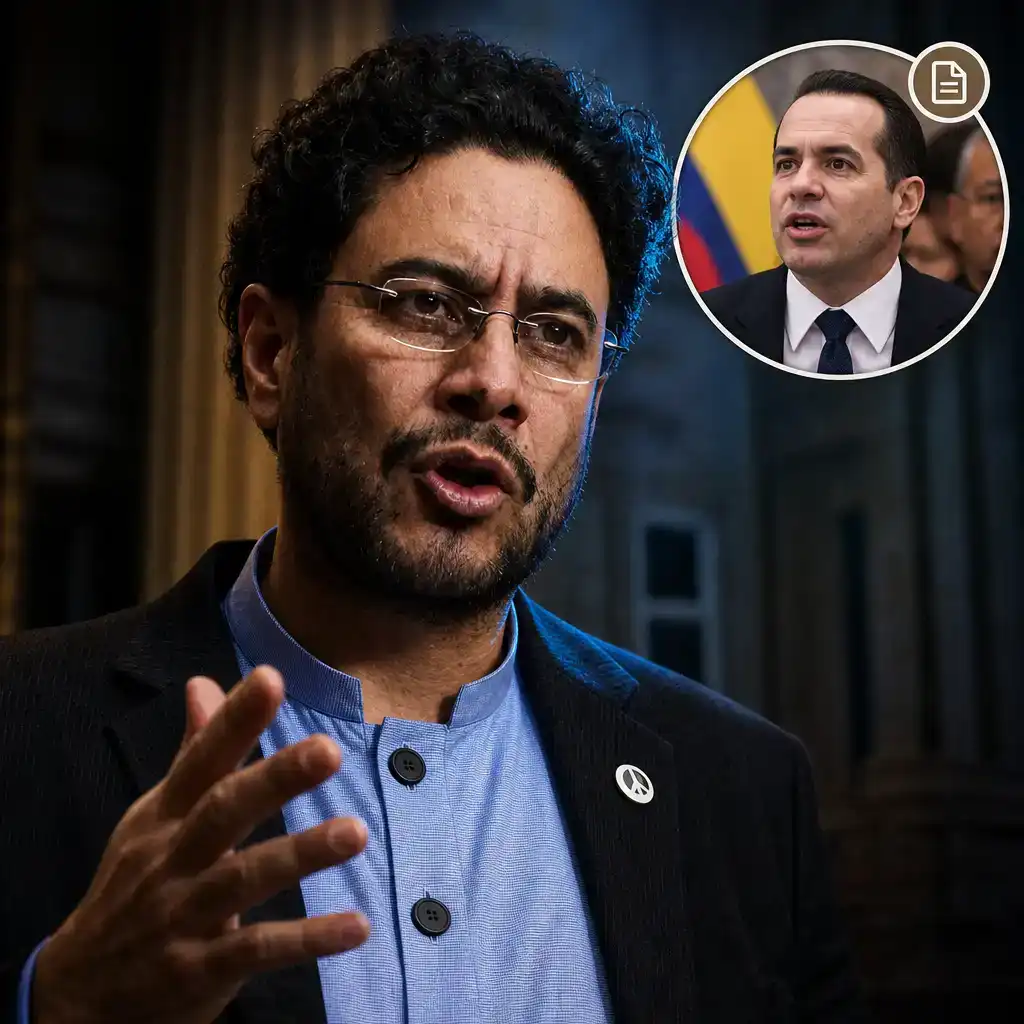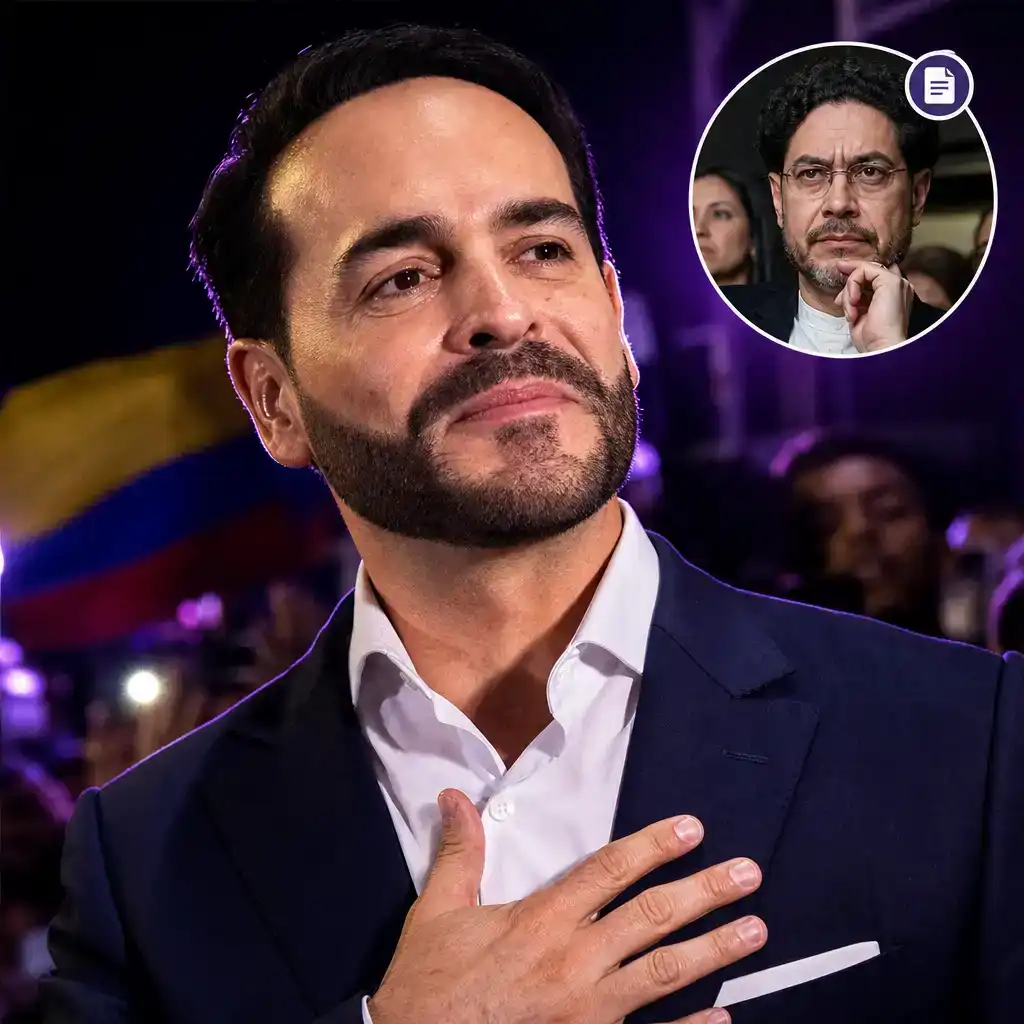
Abelardo De La Espriella has claimed a razor-thin win in the Colombia presidential race, taking 49.7 percent of the vote to 48.70 percent for left-wing Senator Iván Cepeda, according to an initial count released by electoral authorities early Monday with 99.9 percent of results reported.
The margin is narrow enough to keep lawyers, election officials and spreadsheet enthusiasts fully employed for a little while longer. Cepeda said his campaign would wait for a final ballot-by-ballot review and is challenging results from about 33,000 ballot boxes, out of roughly 122,000 nationwide.
More than 26.3 million Colombians voted, from 41.4 million eligible voters.
What De La Espriella’s victory changes
De La Espriella’s apparent win would return Colombia’s right wing to the presidency after the term of Gustavo Petro, the former rebel who became the country’s first leftist president. Colombia’s right has governed for all but four of the past 200 years, so this is less a novelty than a restoration with sharper edges.
The president-elect told supporters in Barranquilla: “I will govern for all Colombians.” He also celebrated a congratulatory call from United States President Donald Trump, whose backing helped underline De La Espriella’s international profile. De La Espriella is also a citizen of the United States and Italy and owns homes in several countries.
His platform was built around a hard break from Petro’s agenda. He blamed the outgoing government for Colombia’s economic and security problems and campaigned on:
- Ending peace talks with rebel groups
- Expanding the oil and gas sector
- Cutting taxes
- Taking a tougher military line against armed organisations
That is a large programme for a candidate with no previous political experience and a Congress that is unlikely to behave like a campaign rally.
Cepeda asks supporters to wait for the final check
Cepeda, 63, had run as the continuity candidate for Petro’s left-wing project. He promised to protect the administration’s social policies and keep negotiations open with armed groups, arguing that Colombia’s peace process remains unfinished rather than failed.
Speaking to supporters in Bogotá, Cepeda avoided conceding while the review process continues. He said his campaign was open to negotiation but framed any future dialogue around preserving Petro-era gains.
“We are open to dialogue; we are willing to reach agreements as long as they are respectful, genuine, and reflected in political actions that benefit the nation and preserve the historical progress we have already achieved,” Cepeda said.
The challenge now is both legal and political. A one-point gap in an initial count is not the same as a landslide mandate, however enthusiastically both sides may try to describe it. If the result holds, De La Espriella will enter office with a divided electorate and a legislature capable of slowing or softening his plans.
Security concerns shaped the vote
Security was one of the defining issues of the run-off, especially in areas where extortion and drug trafficking have increased. Colombia’s patchwork of armed groups remains volatile: leftist armed groups, criminal networks and organisations rooted in former right-wing paramilitary structures continue to fight one another and the state.
During the campaign, De La Espriella promised to scrap negotiations with dissident groups and launch a 90-day campaign of United States-backed air attacks against them. It was a clear offer to voters who believe Petro’s approach has left parts of the country exposed.
The picture is complicated. In the decade since the landmark peace accord with the Revolutionary Armed Forces of Colombia, or FARC, many parts of the country have seen economic and civic improvement. But cartels and dissident factions still control pockets of territory, and the state’s reach remains uneven.
For some voters, the election was not just about policy but memory. Cepeda supporter Margarita Restrepo told Reuters: “Rancour has won again. Unfortunately, we are in a country where differences continue.” Around her neck she wore a photo of her daughter, Carol Vanessa Restrepo, who disappeared in 2002 during a security operation ordered by former President Álvaro Uribe, Cepeda’s longtime adversary and a De La Espriella supporter.
Business backs him, but debt will not wait
Major business guilds congratulated De La Espriella after the preliminary result, and celebrations were reported in upper- and middle-class neighbourhoods in Bogotá and Medellín. For many in the private sector, his promises on taxes, energy and security represent a more familiar economic playbook than Petro’s reform agenda.
Still, the governing math is not especially generous. Colombia is carrying high public debt, which limits how easily any administration can cut taxes, increase security spending and stimulate growth at the same time. Budgets, unfairly, continue to require arithmetic.
De La Espriella has presented himself as a businessman, but local outlet La Silla Vacía reported that many of his companies have been dissolved, are in debt or have lost money overall. That finding may become politically relevant as he tries to sell himself as a manager of the national economy rather than only an opponent of Petro.
His narrow victory also fits a wider regional pattern. Voters in Chile, Argentina, Costa Rica, Bolivia and Ecuador have all elected right-wing presidents in their most recent elections. Colombia now appears to be joining that shift, though the result is close enough to show the country has not moved as one.