Dawn Marie’s OnlyFans earnings have already surpassed what she made as a professional wrestler, according to the former WWE star. It is an eye-catching claim, especially from someone who spent years on national television, but the available figures leave plenty of room for interpretation.
The 55-year-old launched her current account in August 2026, charging subscribers $12.95 a month for non-explicit material. She said the decision is not a response to financial trouble and that she plans to continue working part-time as a dementia care nurse.
“People say, ‘She’s broke, the poor girl, she must be hard up.’ Trust me, I’m not,” Marie told the Daily Mail, adding that she had recently sold one of her homes.
How much is Dawn Marie actually making?
Marie said the platform pays her more than WWE did, and that combining those proceeds with her nursing income leaves her earning more than during her wrestling career. No reported figure has been independently verified.
Her subscriber total, gross receipts, former WWE salary and nursing income have not been disclosed. It is also unclear whether she is comparing current monthly revenue with a typical wrestling month, or projected annual income with her best year in the ring. That distinction is doing quite a lot of work.
OnlyFans takes a standard 20% share of creator revenue. At Marie’s listed subscription price, each subscriber would therefore generate about $10.36 for her before taxes and other costs. The platform can still be highly profitable, but the headline figure is not the same as take-home pay, an inconvenience familiar to anyone who has ever received a payslip.
No credible report has contradicted Marie’s account. For now, however, the earnings comparison remains her own assessment rather than a documented financial result.
Why did she open the account now?
Marie said chronic neck pain played a major role in the decision. The injury has made her question how long she can continue nursing full-time as she gets older.
“I’m in a lot of pain all of the time with my neck, so I thought that maybe I should prepare for my future,” she said. “There’s nothing wrong with having a little extra. I’m a single mom, I have two kids and college is around the corner, so why not?”
She has worked as a nurse for about a decade, including in a dementia unit, and told Fightful in May that she also operated a crystal store. Her children support the subscription venture, she said.
Marie has been clear that subscribers should not expect sexually explicit content. She has also dismissed criticism of her appearance and age, noting that she worked as a stripper before entering wrestling.
“Do I look like I did back then? No, who the hell does!” she said, adding that she remains proud of keeping her body strong.
Although reports have presented the account as a new venture, an archived LoyalFans post from 2020 shows Marie thanking supporters from “Only Fans” and other platforms. Her current launch may be new in its present form, but paid fan content does not appear to be an entirely unfamiliar business model for her.
What happened after her WWE career?
Marie first became widely known through Paul Heyman’s Extreme Championship Wrestling in the late 1990s. She later joined WWE, where her most prominent storyline involved a deliberately provocative rivalry with Torrie Wilson. Subtle realism was not the main product being sold.
WWE released Marie in July 2005 while she was pregnant. She subsequently filed a complaint with the Equal Employment Opportunity Commission alleging pregnancy discrimination. The dispute ended with an undisclosed settlement in 2007.
She later built a career in healthcare and largely stayed away from wrestling. In May 2026, when Fightful asked whether she might compete again, Marie answered plainly: “No. My days are over.”
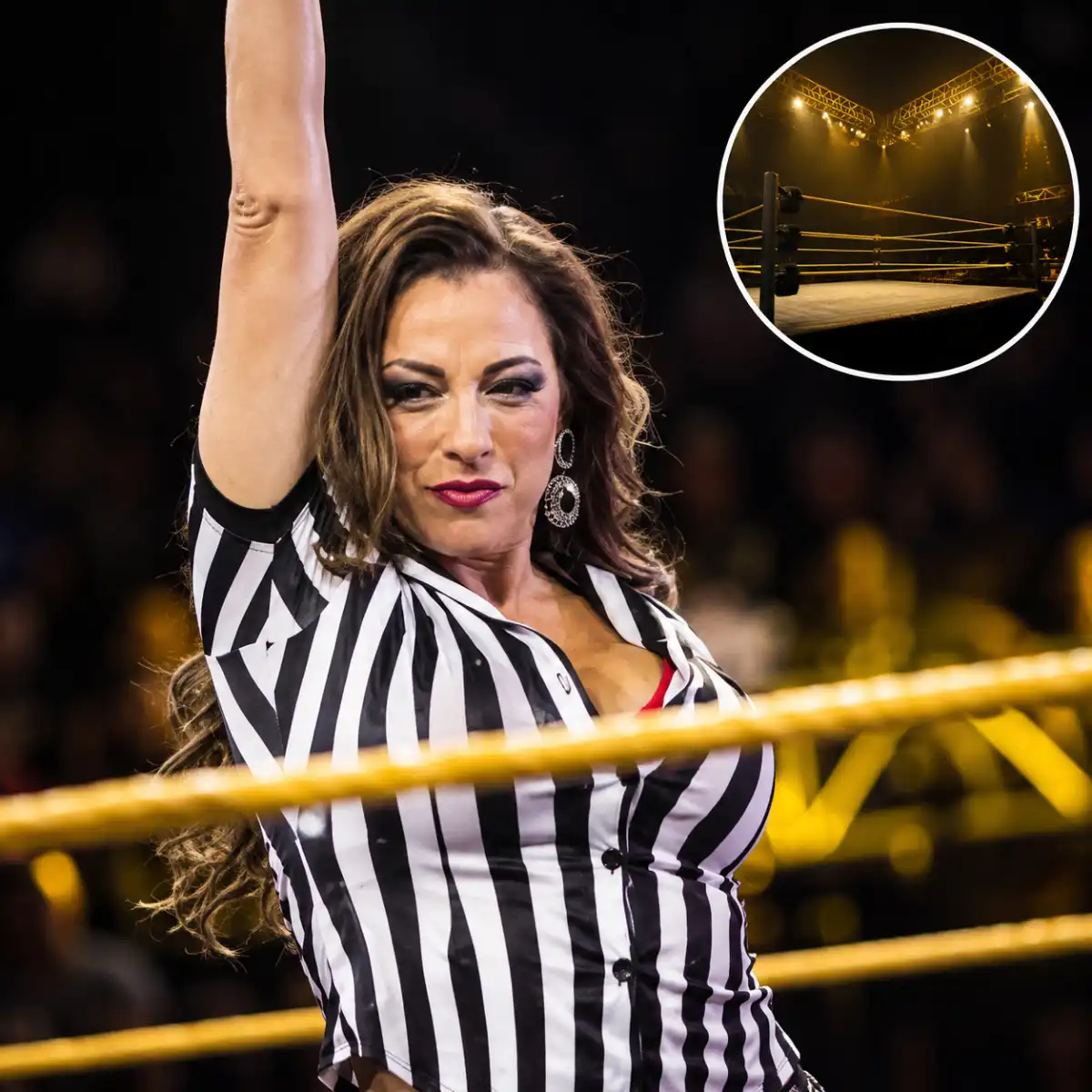
Her last WWE appearance came on November 6, 2024, nearly two decades after her departure. She served as special guest referee for a Hardcore Match between Jaida Parker and Lola Vice during an episode of NXT at Philadelphia’s 2300 Arena, the former home of ECW. Fans praised her appearance, although the role did not signal a full wrestling comeback.
Why former wrestlers are turning to subscriptions
Marie is not the first former WWE performer to describe paid fan platforms as more lucrative than wrestling. Mandy Rose has previously called her earnings from subscription content “life-changing.” Elayna Black, formerly known in WWE as Cora Jade, has also said the income exceeded anything she had seen before.
“I had never seen income like that before,” Black said in March 2026. She added that she was preserving the money for her future rather than spending it immediately.
The pattern highlights a less glamorous part of professional wrestling: careers can end early, injuries can affect later employment, and financial security is rarely guaranteed by television exposure alone. Subscription platforms let performers sell directly to an established audience without taking bumps in a ring, though they also invite predictable scrutiny over what women choose to do with their own images.
For Marie, the account is less a dramatic reinvention than another income stream alongside nursing and business work. Whether it truly outpaces her wrestling salary cannot be confirmed without numbers. The broader logic is easier to understand: neck pain, two children approaching college age and a career with an uncertain physical shelf life make additional income rather practical.