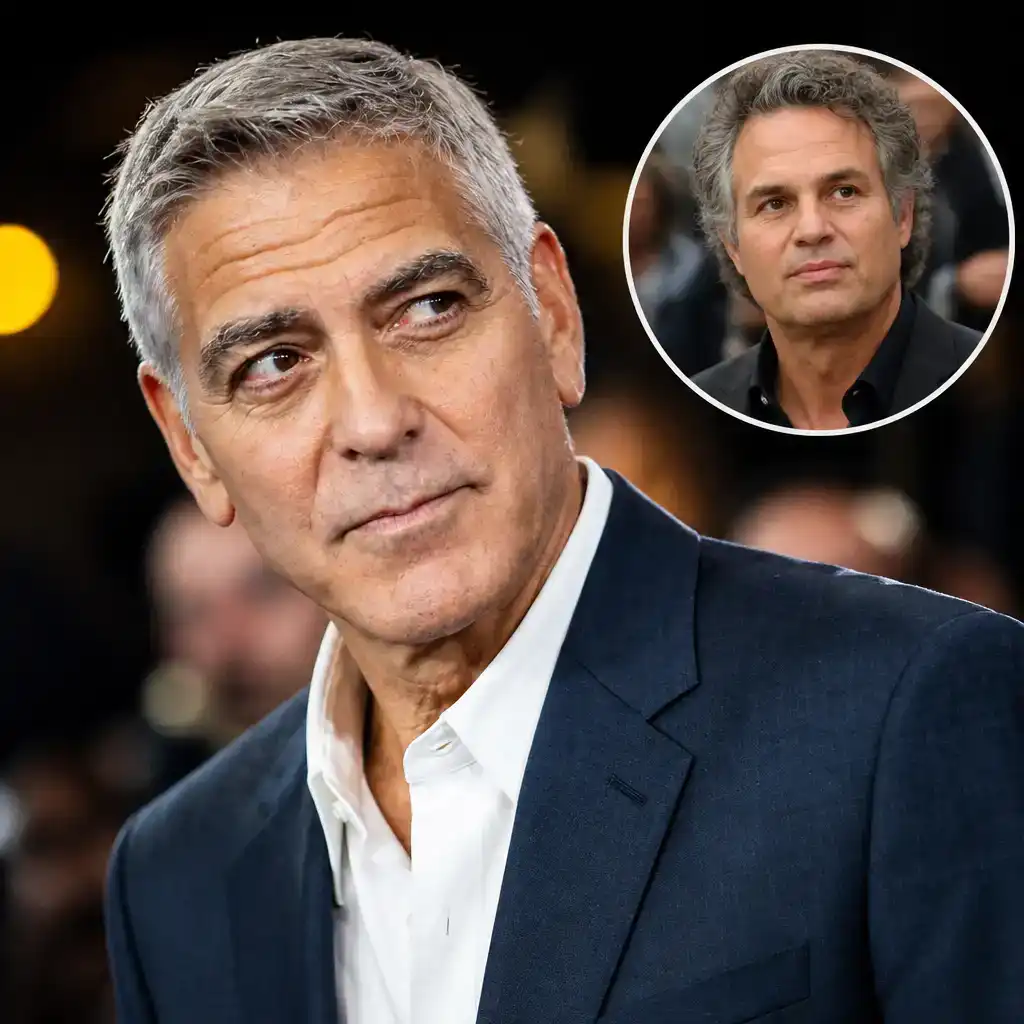
George Clooney used the day of his lifetime achievement honour at the Venice Film Festival to question the Paramount-Warner Bros. merger, defend Mark Ruffalo’s right to criticise it and warn that consolidation usually leaves workers paying the bill. A celebratory press conference therefore became a discussion about antitrust law, political speech, artificial intelligence and the increasingly expensive business of combining two media giants.
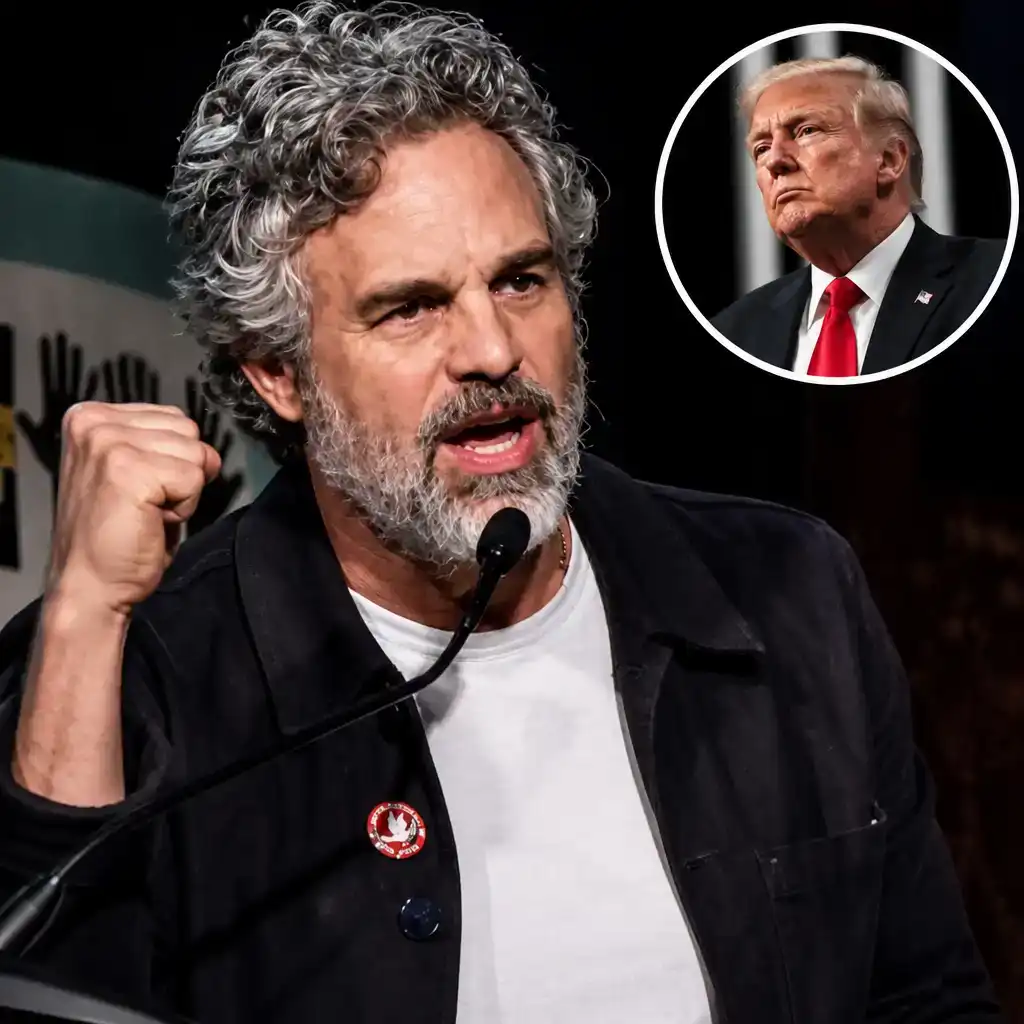
“I support Mark Ruffalo’s ability to speak freely,” Clooney said on Wednesday. “We’re not going to ban speech. I believe in free speech even when I completely disagree with it. That’s important. In fact, it’s part of how democracy works.”
Why did Paramount accuse Mark Ruffalo of antisemitism?
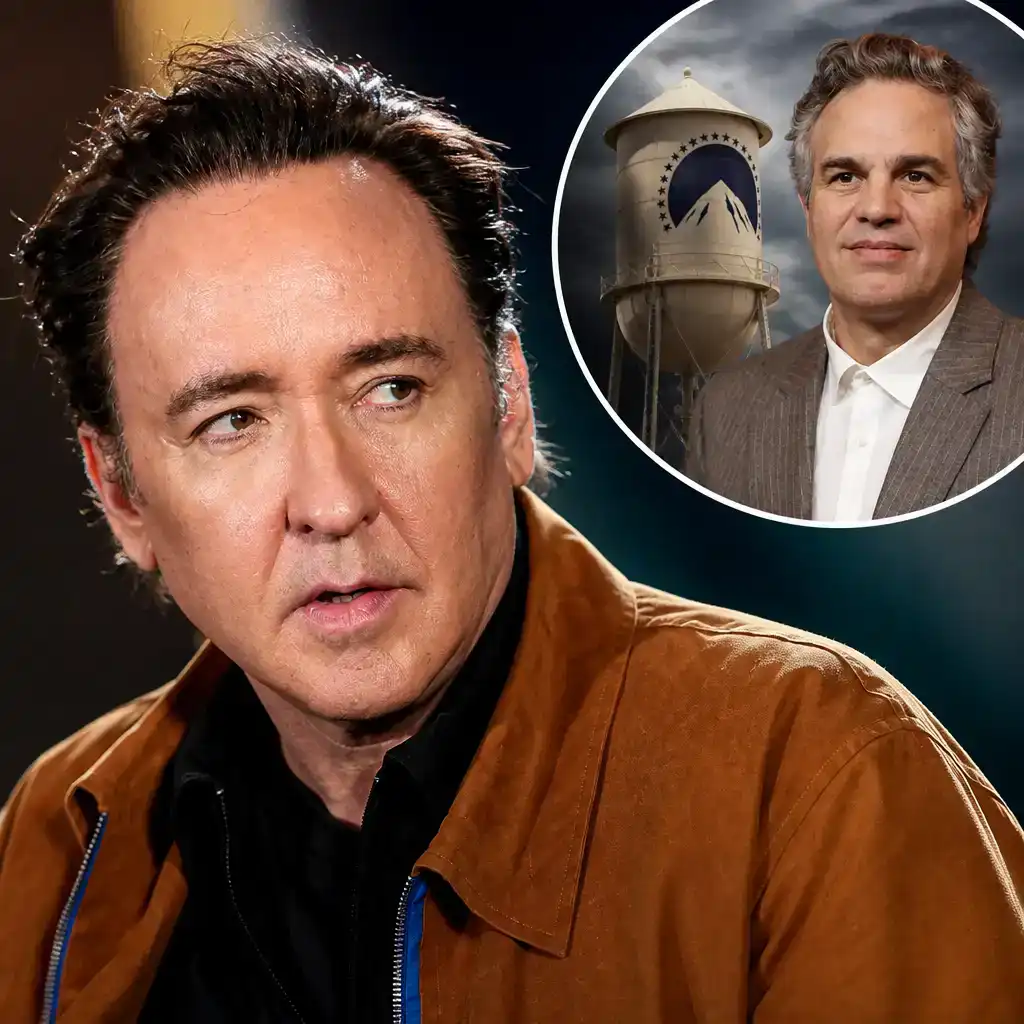
Ruffalo criticised Paramount’s proposed acquisition of Warner Bros. Discovery over its potential consequences for Hollywood. He also accused the Ellison family of complicity in what he described as the genocide of Palestinians. David Ellison leads Paramount Skydance, while his father, Oracle co-founder Larry Ellison, is providing substantial financial backing for the deal.
Paramount said it was troubled by the use of antisemitic tropes “in purported service of a business dispute.” Ruffalo called that allegation “appalling and fundamentally dishonest.”
The argument has exposed a sharp divide among prominent Jewish figures in Hollywood. Producers Haim Saban, Lawrence Bender, Ram Bergman, Anthony Bregman and Teddy Schwarzman signed a letter accusing Ruffalo of promoting antisemitic tropes.
More than 180 Jewish actors, filmmakers and cultural figures later signed a separate letter defending him. The group included Joaquin Phoenix, Hannah Einbinder, Joel Coen and Todd Haynes. “We stand proudly with Mark Ruffalo,” they wrote, arguing that scrutiny of the transaction and the Ellisons’ political and business relationships was legitimate.
Clooney did not endorse Ruffalo’s language. His point was narrower and fairly basic: disagreement does not cancel the right to speak. Hollywood has apparently reached the stage where this requires a press conference clarification.
Why does Clooney doubt the deal’s finances?
Paramount agreed in February to acquire Warner Bros. Discovery in a transaction valued at roughly $111 billion. Larry Ellison personally backed $40.4 billion in equity financing, according to company disclosures and reporting on the agreement.
Clooney called the proposed combination “a complicated thing” and said he could not see how the numbers ultimately worked for those pursuing it.
“I don’t see how the merger financially ends up making sense for the people who are trying to do it,” he said. “We’ll see. I worry when a big company swallows up another company. I always worry whenever big companies are consolidating because it means a lot of people are going to lose their jobs.”
Paramount projects $6 billion in synergies and says those savings do not depend on reducing studio content budgets. The transaction, however, is already caught in an antitrust fight. Twelve states sued, and a federal judge paused the deal. Axios reported that the companies agreed to delay closing until the state case is resolved or June 2027.
That delay comes with a meter attached. After September 30, payments of about $650 million per quarter are due to Warner shareholders. A prolonged court battle could therefore produce billions in costs before any promised savings appear. Corporate efficiency remains an expensive hobby.
What did Clooney say about AI and journalism?
Clooney also predicted that artificial intelligence would become “a very big part of this industry,” though he expects it to cause substantial harm along the way. For performers, the technology raises obvious questions about ownership of faces, voices and posthumous digital replicas.
“I would like to avoid being in a tampon commercial 20 years after I’m dead,” he said. It was a joke, but also a concise summary of why actors spent years demanding control over digital likenesses.
The actor and director was also asked about journalism, a subject tied closely to his 2005 film Good Night, and Good Luck. The drama followed CBS broadcaster Edward R. Murrow’s confrontation with Senator Joseph McCarthy. Clooney later made his Broadway debut in a stage adaptation and received a Tony nomination.
“The state of journalism is in question,” he said. “The richest people in the world are owning the Washington Post and Twitter, and that is a concern.” He was referring to Jeff Bezos and Elon Musk. Twitter has since become X, because even familiar corporate names are apparently temporary now.
Still, Clooney said there remained room for strong reporting and expressed confidence that “information will find its way out.”
Why is Venice honouring George Clooney?
Clooney received the Golden Lion for Lifetime Achievement at the festival’s opening ceremony, with Laura Dern selected to present the award. Venice artistic director Alberto Barbera described him as “one of the most versatile and influential figures in contemporary cinema.” Clooney’s own assessment was less ceremonial: the prize “probably means I’m old, but I’ll take it.”
The honour followed his appearance at the previous year’s festival with Jay Kelly, a comedy-drama in which he played an ageing film star travelling to Italy to accept a career award. Subtlety was not required from the scheduling department.
His relationship with Venice began with Steven Soderbergh’s Out of Sight in 1998. He later returned with films including Good Night, and Good Luck, Michael Clayton, Gravity, Suburbicon, Wolfs and Jay Kelly. He missed the press conference for Jay Kelly after being diagnosed with a sinus infection, making his attendance this time particularly welcome.
“I’m 65 years old, everything is melancholy,” Clooney joked. “You brush your teeth and you’re like, ‘My teeth used to be so much better.’”
Why has Clooney stepped back from directing?
Clooney’s career began on television before his breakout role as Dr Doug Ross on ER. His film work has included Syriana, O Brother, Where Art Thou?, Up in the Air and the Ocean’s trilogy, alongside several directing projects.
He said he has recently reduced his work behind the camera to spend more time with his two nine-year-old children. Acting generally requires about three months on a production, he explained, while directing can take a year.
“I can’t pull the kids out of school anymore,” Clooney said. “I’m happy doing this, being an actor again. It’s fun. I’m a character actor now.”
One major ensemble project remains on his schedule, at least once several famous calendars cooperate. Clooney said he is keen to reunite with Brad Pitt and Matt Damon for another Ocean’s heist film.
“I would do anything with them,” he said. “As soon as we get our schedules to work, we’re going to film.”