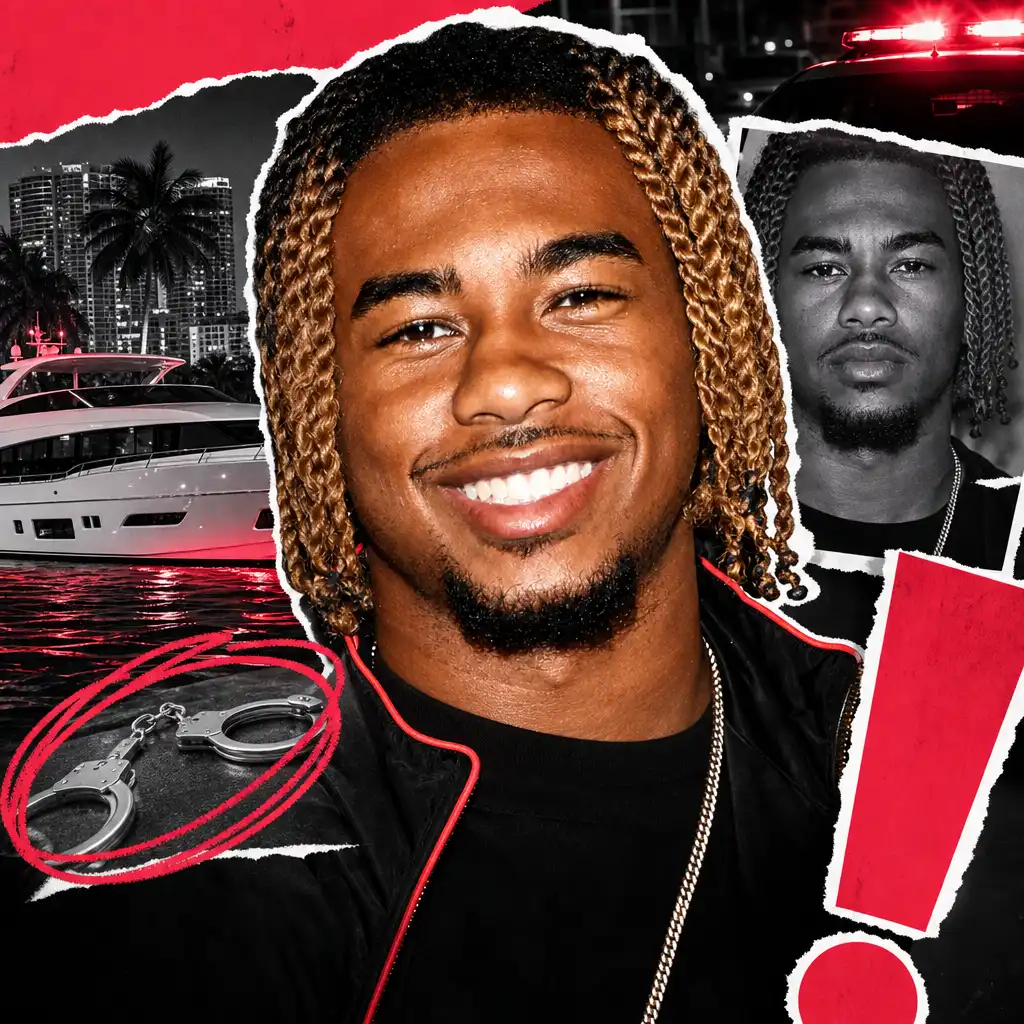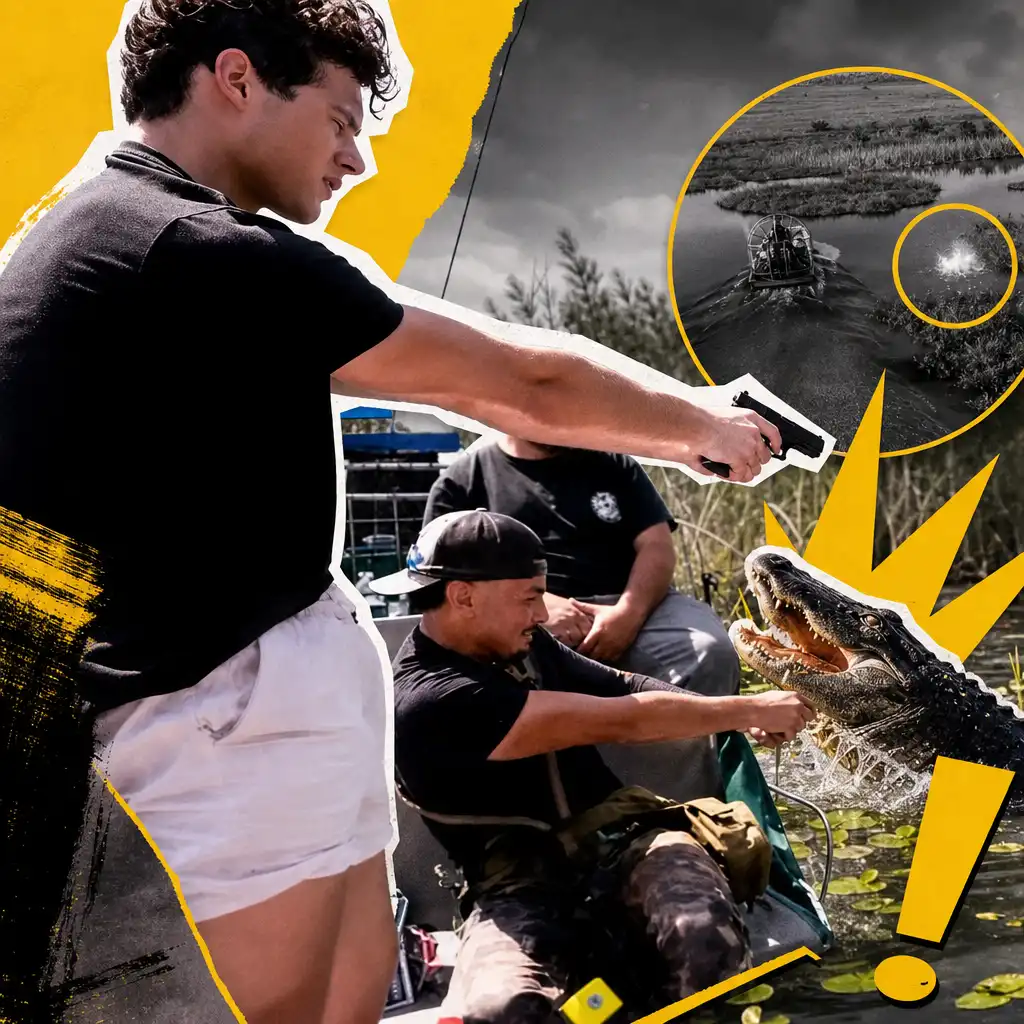
Kick streamer Braden Eric Peters, better known online as Clavicular, will avoid jail time in the Clavicular alligator shooting case after reaching a plea deal with Florida authorities. The case grew out of a March 26 livestream from the Florida Everglades that spread quickly online, mostly because firing at an alligator on camera tends to attract attention from more than just viewers.
Peters had already been under investigation by the Florida Fish and Wildlife Conservation Commission after clips from the Kick broadcast circulated on social media. The footage showed Peters and others on an airboat firing multiple rounds at an alligator in the water.
Court records first reported by Miami New Times showed that the Miami-Dade State Attorney’s Office filed charges against Peters on April 29.
What charge did Clavicular face in Florida?
The charge filed against Peters was unlawful discharge of a firearm in a public place, or on or over a public road, highway, street, or occupied premises.
According to the court filing, the alleged incident happened at the boat ramp dock in the Francis Taylor Everglades Wildlife Management Area in Miami-Dade County. The same filing also named two other defendants: Andrew Morales, a streamer known as Cuban Tarzan, and Yabdiel Anibal Cotto Torres.
The charge was listed as a first-degree misdemeanor under Florida law. Miami New Times reported that reckless discharge of a firearm can carry:
- Up to one year in jail
- Up to one year of probation
- A fine of up to $1,000
An attached warrant form also described the offense as “Reckless Discharge F.A.” and listed a $1,000 bond amount for Peters. A court hearing had initially been scheduled for May 20.
Why his lawyers said the incident happened
Peters’ attorneys, Steven Kramer and Jeffrey Neiman, told Miami New Times that the charge “stems from following the instructions of a licensed airboat guide.”
“He relied on that guidance,” they said. “No animals or people were harmed. We are confident that once the full picture is understood, people will see this for what it is.”
That argument is central to how the defense framed the incident: not as a streamer deliberately creating chaos for views, but as someone acting on guidance during an Everglades outing. It is, at minimum, a reminder that livestreaming does not make questionable decisions less questionable. It simply records them for investigators.
The Florida Fish and Wildlife Conservation Commission had previously said it was aware of “a video depicting individuals in the Everglades on an airboat who appear to be discharging firearms at an alligator,” and said officers were looking into the matter.
What the plea deal requires
TMZ reported on May 15 that Peters reached a deal with authorities that will clear the charge from his record in six months if he meets several conditions.
Under the agreement, Peters must:
- Complete a firearm safety course
- Perform 20 hours of community service
- Avoid further legal trouble during the six-month period
Jeffrey Neiman told TMZ that Peters has “accepted responsibility for his conduct and reached a resolution that appropriately reflects the circumstances of this incident.”
“Importantly, no individual was injured, and the alligator involved was already deceased prior to the events at issue. As part of the resolution, Braden will complete a firearm course, and adjudication has been withheld,” Neiman added.
With adjudication withheld, Peters avoids a formal conviction if he completes the terms of the deal. In practical terms, that means no jail time in this case, as long as he follows through.
What happened during the livestream?
The case traces back to Peters’ March livestream, when he and others stopped near what appeared to be an alligator in the water. During the broadcast, Peters asked: “Can we dump a round into it? Let’s test really how dead it is.”
After another person began shooting, Peters stood up and fired at the animal as well. He later said: “Yeah, I think it’s dead.”
Neiman has since said the alligator was already dead before the events at issue. Authorities still pursued the firearm-related charge, focusing on the alleged discharge of a gun in a public place rather than an animal cruelty count.
Peters is known online for extreme “looksmaxxing” content, focused on attempts to improve physical appearance. This case, however, pushed him into a different kind of visibility, one involving court records, wildlife officers, and a plea agreement rather than internet transformation content.
The Florida case is separate from Peters’ March arrest in Fort Lauderdale, where he was taken into custody on a misdemeanor battery charge connected to a previous incident in Osceola County.