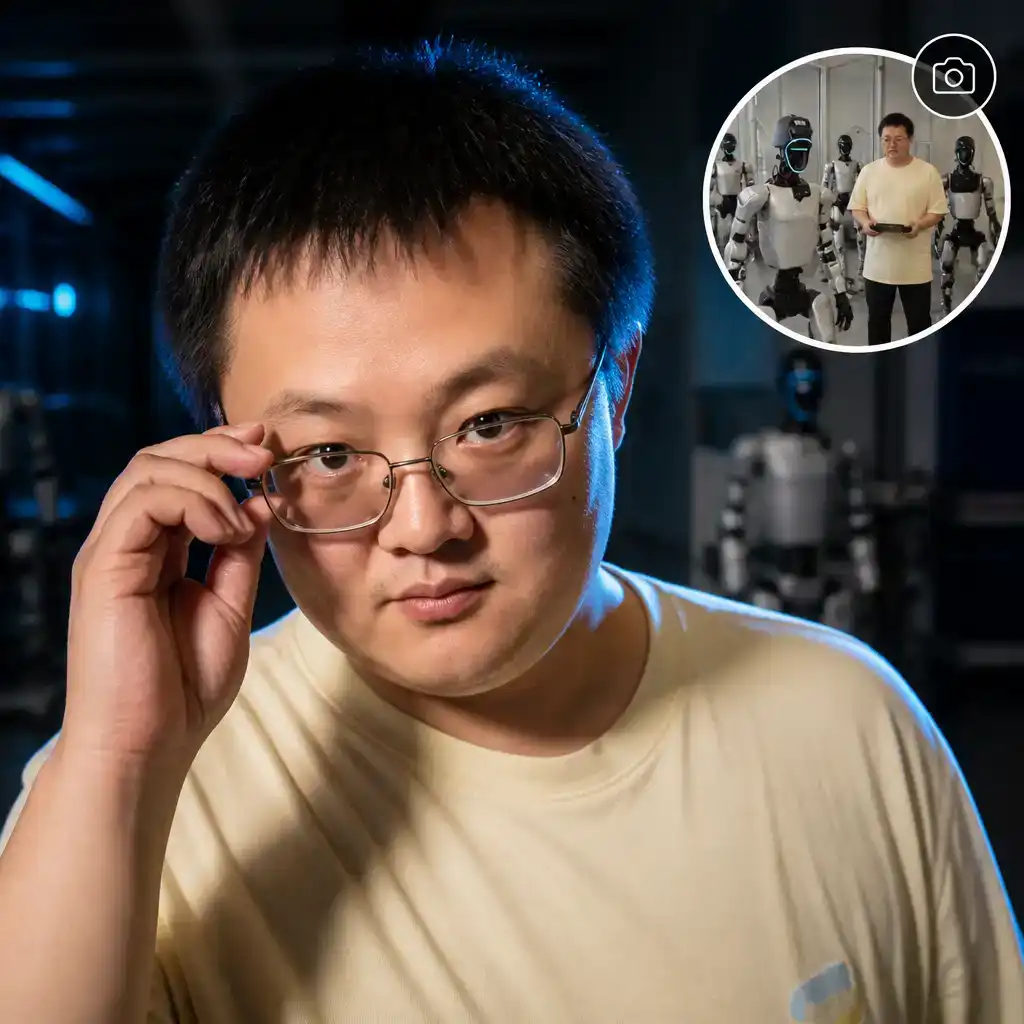
China has opened its first robot school, creating a dedicated training site where humanoid machines can prepare for jobs before entering the workforce. The development was reported on August 7, 2026, with several robots already undergoing instruction.
The project reflects a practical challenge in robotics: building a humanoid machine is only part of the process. It must also learn how to perform tasks reliably in real working environments. Even robots, it seems, do not arrive fully qualified.
What will the robot school teach?
The program is focused on developing the systems that allow robots to understand instructions, make decisions and complete assigned work. Organizers summarized the objective plainly: “Our main goal is to empower robots’ brains.”
That description places the emphasis on intelligence and workplace readiness rather than simply assembling hardware. The robots are being trained before moving into employment, effectively creating a bridge between development and practical deployment.
Humanoid robots are designed to operate in spaces and roles built around human movement. Training can therefore be crucial, particularly when machines must adapt to changing surroundings rather than repeat one fixed action on a production line.
Why does the project matter?
A dedicated school suggests China is treating robot preparation as a formal stage of deployment, not an optional final adjustment. That could become increasingly important as humanoid machines move from demonstrations into regular commercial and industrial use.
The initial report did not specify the school’s location, curriculum, training duration or the exact jobs awaiting its graduates. It also did not provide a total enrollment figure beyond saying that a number of humanoid robots were being trained.
For now, the central idea is clear: robots will receive structured instruction before entering the workforce. The machines may not need diplomas, but employers still appear interested in basic competence.