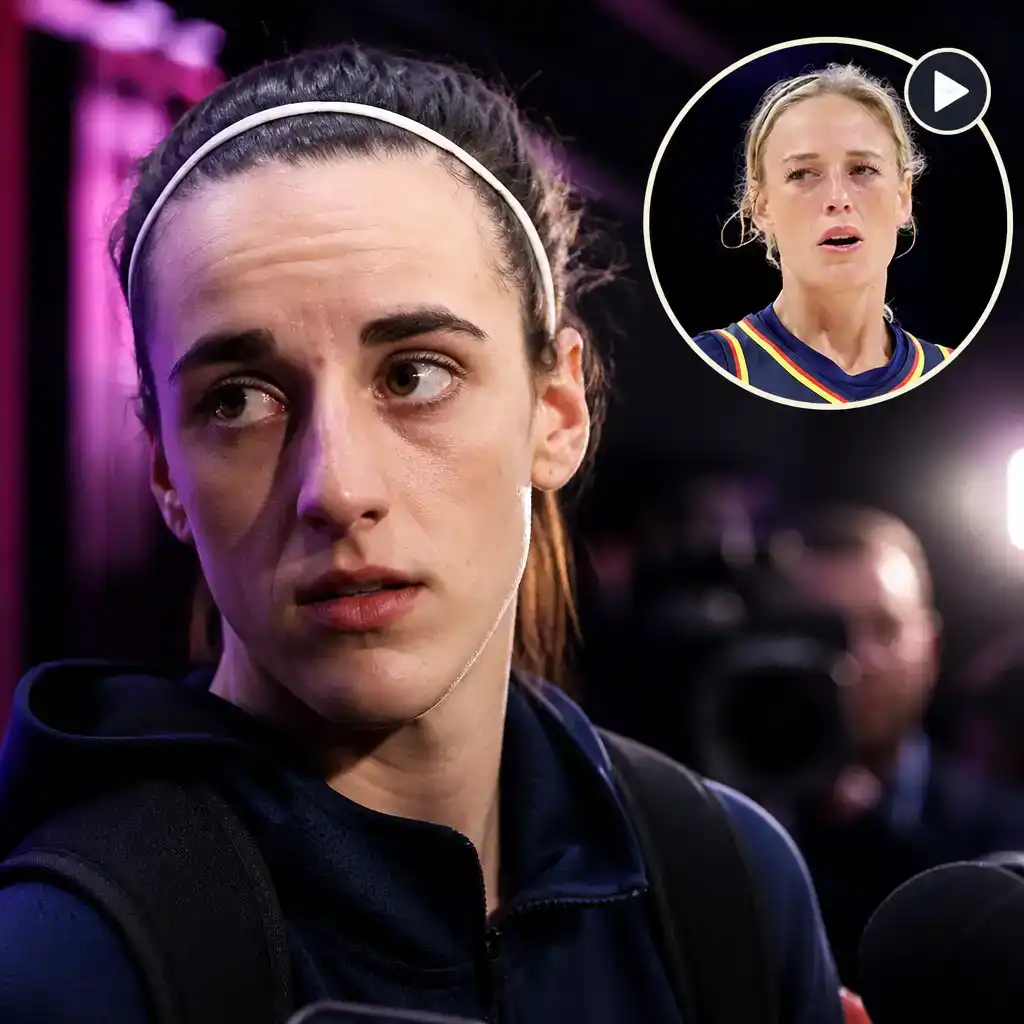
Caitlin Clark was pulled into the trans athlete debate after the Indiana Fever’s 108-100 loss to the Minnesota Lynx on Sunday, when a reporter asked about teammate Sophie Cunningham’s comments opposing transgender participation in girls’ and women’s sports.
Clark declined to endorse or criticize Cunningham’s position. She said the issue was above her pay grade, had not been discussed in the Fever locker room and was not where she wanted to place her attention.
Her stated priority was considerably narrower: winning WNBA games.
Why did Caitlin Clark end the exchange?
When the reporter tried to follow up, Clark cut off the questioning rather than expand on her answer. Video of the exchange showed a tense moment, although her position remained consistent. She was not going to publicly choose a side in the postgame setting.
The question followed Cunningham’s criticism of what she called “biological men” competing against young girls. Her comments placed the issue close to the Fever, making it likely that Clark, the team’s most prominent player and the WNBA’s biggest star, would eventually be asked to respond.
Clark’s reluctance also reflects the difficult position she occupies. Any answer would carry more weight than a routine locker-room comment, bringing consequences for teammates, fans and the wider league. Declining to engage does not make the questions disappear, but it does show how carefully she is managing a discussion that extends far beyond basketball.
What happened between Sophie Cunningham and Cheryl Reeve?
Minnesota Lynx head coach Cheryl Reeve added another visible element to the conversation by wearing a shirt reading “Trans Kids Belong” on the sideline.
Before the game, Reeve also spoke with Cunningham in person. She later explained why she believes direct interactions of that kind matter, particularly when public disagreements over transgender athletes have become increasingly heated.
That pregame conversation stood in contrast to Clark’s postgame approach. Reeve addressed the broader social issue, while Clark kept her comments limited to basketball and the Fever’s immediate goals.
For Clark, that boundary may be understandable, especially after a loss in which Indiana allowed 108 points. Still, as the league’s most closely watched player, she is unlikely to avoid questions about controversies involving her teammates. Fame tends to expand the job description without asking permission.