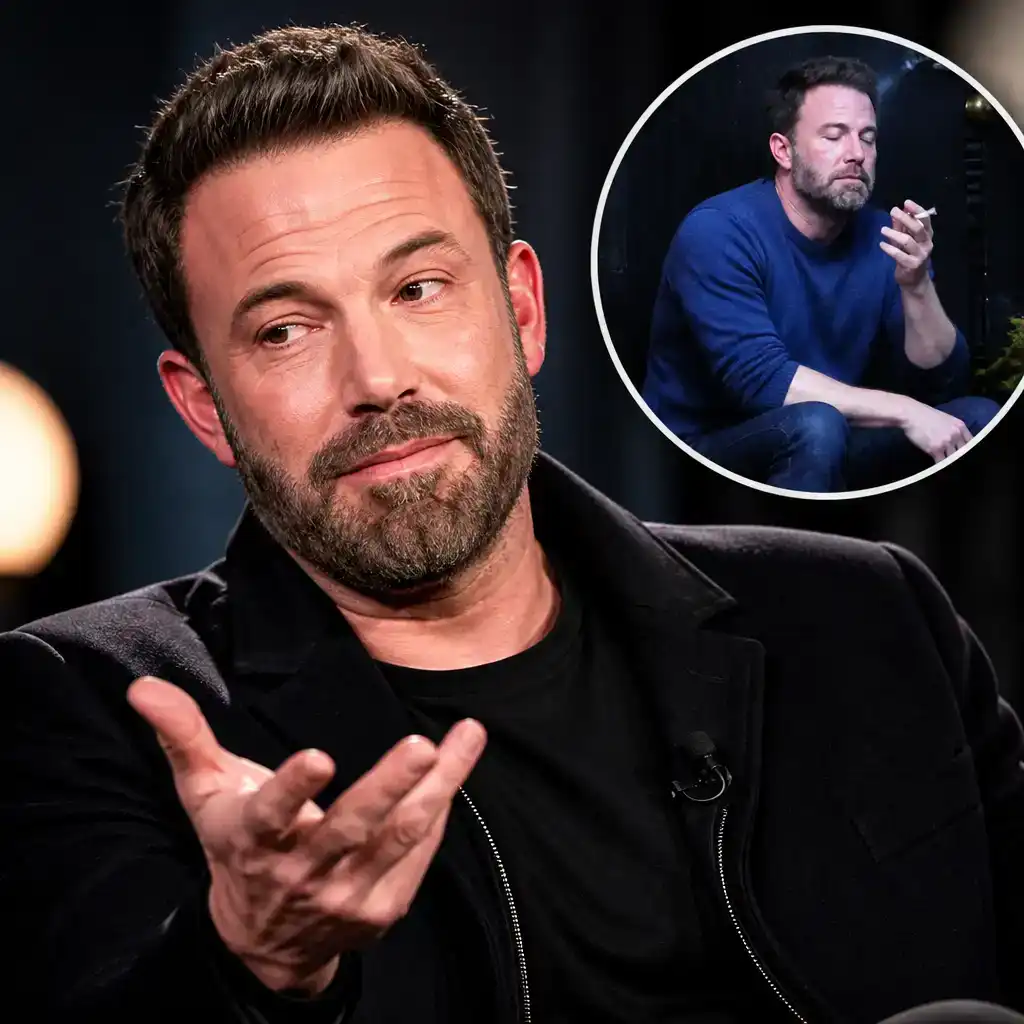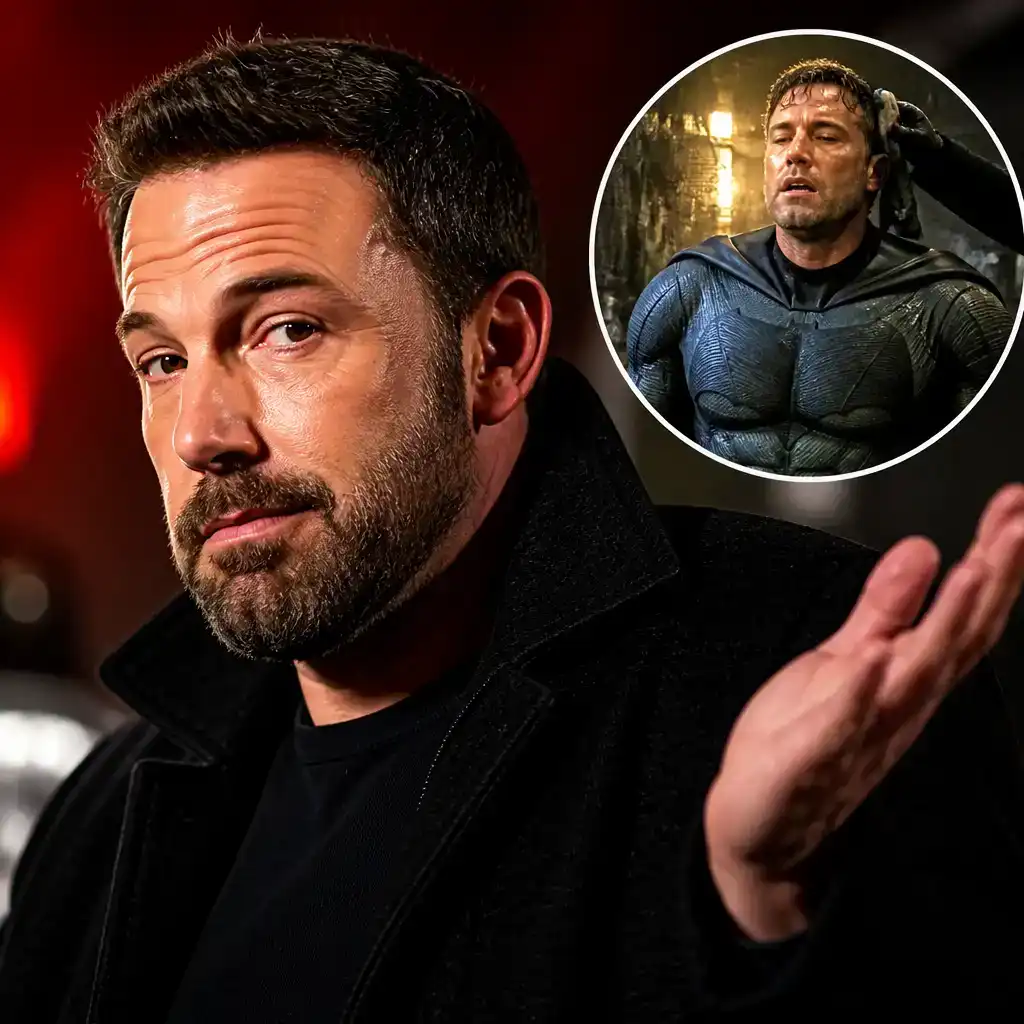
Ben Affleck faced several formidable enemies during his years as Batman, but few proved as relentless as the costume department’s apparent indifference to ventilation.
The actor has described his Batsuit as “horrendous to wear”, saying its heavy, airless construction left him soaked, exhausted and struggling to perform for extended periods.
Affleck played Bruce Wayne in several films within the DC Extended Universe, including Batman v Superman: Dawn of Justice and Justice League. Speaking in a recent GQ video, he made clear that wearing Batman’s famous armour involved rather less brooding and rather more trying not to overheat.
Why Affleck hated wearing the Batsuit
“I hated the batsuits. The batsuits are horrendous to wear,” Affleck said. “They’re incredibly hot, for one thing. They don’t breathe. They’re made to look the way they want ‘em to look, and there’s no thought put into the human being.”
The discomfort began almost immediately after he put the costume on.
“Now I’m already — I sweat, you know what I mean? I get hot,” he said. “And so in that thing, you would just be pouring water because it’s got the cowl over it.”
Affleck suggested that covering his head made the problem considerably worse, apparently preventing body heat from escaping. The result was a costume designed to make its wearer look nearly invulnerable while leaving the person inside it increasingly dependent on a break and, presumably, several towels.
The practical consequences extended beyond personal discomfort. Affleck said the heat made filming more difficult because neither he nor the stunt performers could remain inside the suit indefinitely.
Even trained stunt performers risked overheating
According to Affleck, the physical strain was not simply a matter of his own tolerance for heat.
“Even the most highly-trained, much more fit stunt guys, the parkour guys, the action guys, they could do that for about like 45, 50 minutes and then they’re like gonna get heat stroke,” he said. “So you had to come out of it.”
Those limitations complicated production on films built around elaborate fights and action sequences. Every period inside the costume came with a fairly unforgiving clock.
“That was really the thing was that it just made it difficult to make the movie because it was so hot,” Affleck said.
The suit also undermined some of the fantasy traditionally associated with playing a superhero. Rather than feeling powerful, Affleck recalled becoming tired almost at once while trying to conceal the sweat running down his face.
“And it also does not make you feel very heroic because you’re instantly exhausted and really sweaty and kinda trying to hide like, the sweat pouring down your face,” he said. “Like, ‘No, we can go again, I’m fine, I’m good.’”
He added that the black makeup around his eyes would begin to run. Gotham’s criminals may never have known how close Batman was to requesting a cooling fan.
Other Batman actors may have handled it better
Affleck acknowledged that other actors who have worn the cape and cowl, including Christian Bale and Robert Pattinson, may simply have coped with the heat more successfully.
Bale portrayed Bruce Wayne throughout Christopher Nolan’s Dark Knight trilogy, while Pattinson took on the role in Matt Reeves’ The Batman. Affleck nevertheless described the costume as “the least fun part” of his own experience playing the character.
His complaints do not amount to a wholesale rejection of the role. In a separate GQ interview, Affleck said he “had a really good time” starring as Batman.
His broader concern was instead about the direction of the DC films in which he appeared. Affleck said the movies had begun to “skew too old for a big part of the audience” they were intended to attract.
That conclusion became personal when his son found the material frightening.
“Like even my own son at the time was too scared to watch the movie,” Affleck said. “And so when I saw that I was like, ‘Oh s---, we have a problem.’”
Affleck’s Batman belongs to an earlier DC era
Affleck’s comments arrive after a major change in leadership and direction at DC Studios. The company is now run by co-chairmen James Gunn and Peter Safran, who have been overseeing a rebooted screen continuity.
Gunn’s Superman project is positioned as an early cornerstone of that new franchise. Reeves’ Batman films and their related projects, meanwhile, remain separate under DC’s “Elseworlds” label rather than being folded into Gunn’s central continuity.
That arrangement leaves room for more than one version of Batman, although Affleck’s tenure increasingly looks like part of a closed chapter. His account also offers a less glamorous explanation for why leaving the role may have brought some relief.
The mythology demanded an imposing silhouette, a sealed cowl and enough armour to intimidate Gotham. The actor inside merely had to endure it for another 45 minutes.