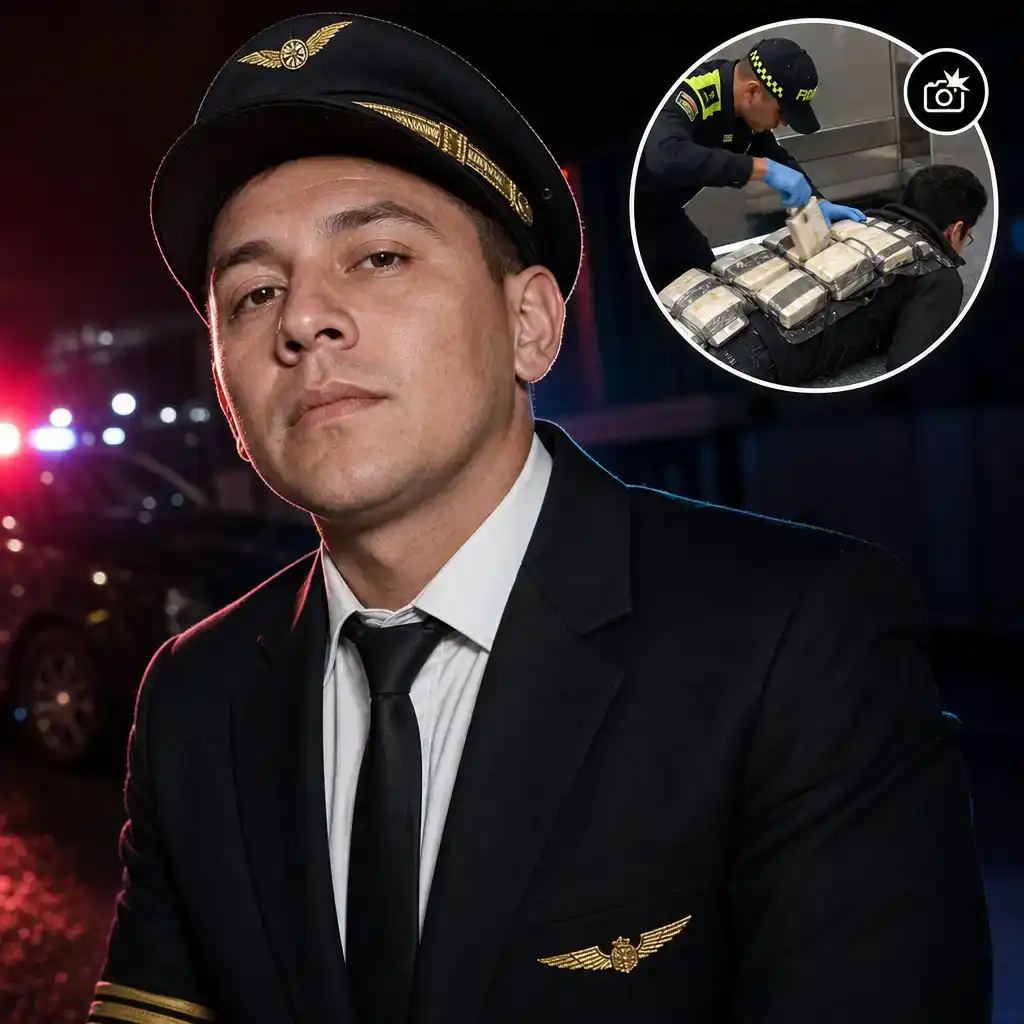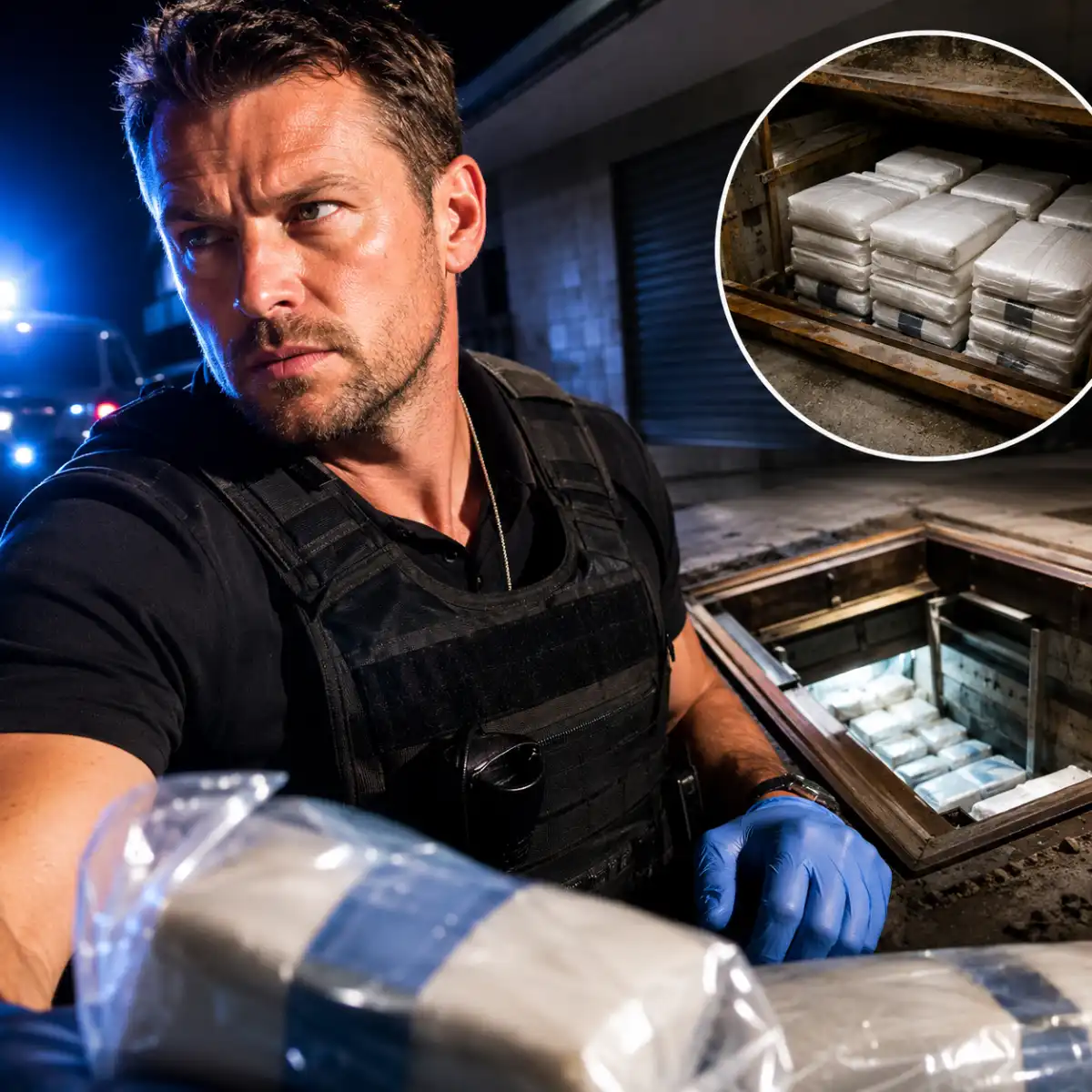
Australian police say they have seized 2.7 tonnes of cocaine from an underground bunker system in western Sydney, describing it as the largest cocaine bust in Australia to date. The haul, allegedly hidden beneath false floors inside three shipping containers, was found on Friday at a property in Londonderry.
Authorities estimated the drugs had a street value of A$816 million, about £433 million or €500 million. That is a lot of money to bury under a floor, which is presumably the point.
Two men, aged 21 and 25, were arrested at the scene after allegedly trying to flee from police. They have been charged with possessing a commercial quantity of an unlawfully imported border-controlled drug.
What police say they found in Londonderry
According to police, the cocaine was concealed in compartments built beneath false floors in three shipping containers on the Londonderry property. The containers were part of what authorities described as an underground bunker system.
The two men arrested at the property appeared in court on Saturday and were remanded in custody. If convicted, they face a maximum sentence of life in prison.
Police allege the drugs were smuggled into Australia through Midge Point, a small town in North Queensland, on the orders of an organised crime group. Investigators have not publicly identified the alleged syndicate behind the shipment.
Operation Minjiang began with cocaine in the water
Police said the Sydney raid formed part of Operation Minjiang, an investigation launched in May after 40kg of cocaine was discovered floating in the water near a boat ramp at Midge Point.
That discovery appears to have opened a much larger case. Police said last week that another six people had been arrested and charged in Queensland and New South Wales as part of investigations linked to the find.
An alleged “mother vessel” suspected of involvement in the smuggling operation has also been detained in Solomon Islands. Police have not said publicly how the vessel is alleged to connect to the shipment, only that it is suspected of being part of the operation.
The reported sequence is fairly stark:
- May: 40kg of cocaine is found floating near Midge Point.
- Operation Minjiang is launched.
- Six people are later arrested and charged in Queensland and New South Wales.
- A suspected “mother vessel” is detained in Solomon Islands.
- On Friday, police seize 2.7 tonnes of cocaine from the Londonderry property.
Why Australia is a high-value drug market
Australia’s distance from major production routes has not made it immune to the cocaine trade. If anything, police and researchers have long pointed to the country’s high street prices as one reason international criminal networks keep trying.
According to an illegal drugs monitoring system run by the University of New South Wales, cocaine in Australia typically sells for around A$300 per gram. That price helps explain why a multi-tonne shipment would attract organised groups willing to use boats, containers, hidden compartments and, apparently, bunker-style storage.
The demand side is also significant. Last year’s United Nations World Drug Report found Australians and New Zealanders had the highest cocaine use rates in the world.
Australian Federal Police Commander Stephen Jay said the alleged plot showed “how highly organised and determined these criminal networks are, and the extreme lengths they are willing to go to in pursuit of profit.”
He added: “Investigators are still trying to work out the origin of the drugs, and we will work with our international and domestic law enforcement partners to identify the criminal syndicates and anyone else involved in facilitating this alleged attempted drug import.”
The investigation is still active
Police have framed the Londonderry seizure as a major disruption, but not the end of the case. The origin of the cocaine remains under investigation, as does the full chain of people and groups allegedly involved in moving it toward Australia.
For now, the confirmed public record is narrower than the scale of the seizure might suggest: two men charged at the Sydney property, six others charged across two states, a suspected vessel detained overseas, and a police operation that began with floating cocaine in a quiet Queensland town.
Police are still piecing together the rest, including the structure of the alleged criminal network. Given the value of the shipment, that work is unlikely to be brief or especially tidy.