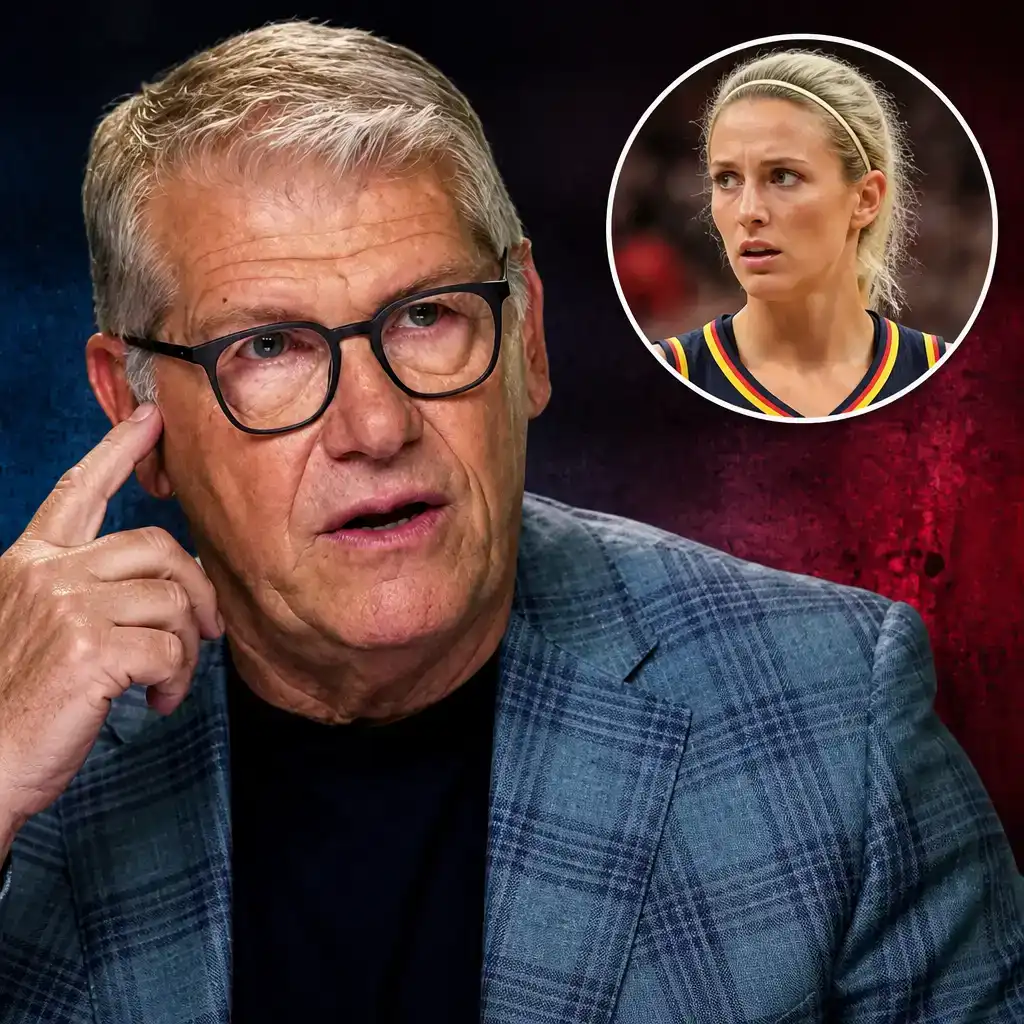
Geno Auriemma has dismissed the WNBA transgender athlete debate as a manufactured controversy, arguing that the league has no current player or imminent eligibility case requiring such an uproar.
“Why are we making a big issue over an issue that doesn’t exist?” the University of Connecticut women’s basketball coach told Babcock in an interview this week. Auriemma said people were entitled to their opinions but questioned why the subject had become so prominent without a concrete case before the league.
The Hall of Famer, who has won 12 NCAA championships with UConn, also suggested that some participants were keeping the argument alive “for their own personal gain.” His comments came while he was promoting the upcoming Apple TV series The Dynasty: UCONN Huskies.
That is a clear position. The timing, however, is less tidy.
Why the WNBA is reviewing eligibility rules
Although Auriemma described the dispute as effectively hypothetical, the WNBA had already begun discussing it internally. Spanish outlet AS reported that Commissioner Cathy Engelbert sent teams an August 7 memo saying an executive group would examine gender eligibility.
Engelbert reportedly called the subject “complex and nuanced,” which is not quite the same as declaring that nothing is happening. It does not mean the league has identified an ineligible player or expects an immediate application. It does show that officials consider the policy question real enough to review.
The league’s 2026 collective bargaining agreement says only women are eligible to play. According to the Los Angeles Times, it does not explicitly exclude transgender women. The agreement was ratified in March, formally executed on May 22 and runs through 2032.
That labor framework matters. Eligibility language is part of a negotiated agreement between the WNBA and the Women’s National Basketball Players Association, so any clarification could involve the union rather than arriving as a simple league announcement. Administrative procedure has once again declined to fit neatly into a televised argument.
How Sophie Cunningham revived the dispute
The latest round began after Indiana Fever guard Sophie Cunningham said transgender women should not compete in women’s sports. Speaking to ESPN, she framed her position around privacy and safety, saying, “I want to protect young girls in a locker room.”
The Fever quickly separated the organization from her remarks. The team said players’ opinions “are their own,” leaving Cunningham free to speak while making clear that she was not delivering an official franchise policy.
Her comments drew support from Trump administration officials. Vice President JD Vance urged Cunningham to remain “courageous,” according to the Daily Beast. Other WNBA players pushed back, while pro-Cunningham demonstrations were held outside two Fever games, the Associated Press reported.
Cunningham said those demonstrations had not become a distraction for the team. They did, however, turn a policy question involving no publicly identified WNBA eligibility case into a recurring political event around actual basketball games. That distinction sits at the center of Auriemma’s complaint.
The 2027 draft claims are political, not official
Former NBA player Enes Kanter Freedom escalated the campaign by announcing that he would enter the 2027 WNBA Draft. Former NBA player Royce White made a similar declaration one day later.
Neither announcement established that either man could participate. AS reported that the WNBA had not confirmed Freedom’s eligibility, making his declaration a political statement rather than an accepted draft entry. The same broader eligibility rules would apply to White.
The parallel announcements nonetheless generated the intended attention. Combined with demonstrations at Fever games and support from senior government figures, they show that the controversy now extends well beyond Cunningham’s original comments.
Auriemma’s argument is that this activity manufactures urgency where no active roster dispute exists. The league’s memo presents the counterpoint: even a hypothetical campaign can force an organization to examine rules before someone attempts to test them.
Auriemma wants attention back on basketball
Rather than continue debating an eligibility scenario that has not materialized in the WNBA, Auriemma said fans should focus on the league’s players, teams and growing pool of young talent.
“I think we should talk about the players,” he said. “We should talk about the teams. We should talk about the incredible young group of players that have come into the league.”
His central factual point remains intact: no current WNBA player has been identified as the subject of this dispute, and the league has not announced an immediate eligibility case. Yet his broader claim that the issue does not exist now sits beside an internal review, collectively bargained language and an organized political campaign.
So Auriemma is unlikely to end the argument by telling everyone to focus on basketball. He has, at least, identified why it continues. The sport itself is thriving, while people outside the league have found considerable value in discussing a player who is not there.