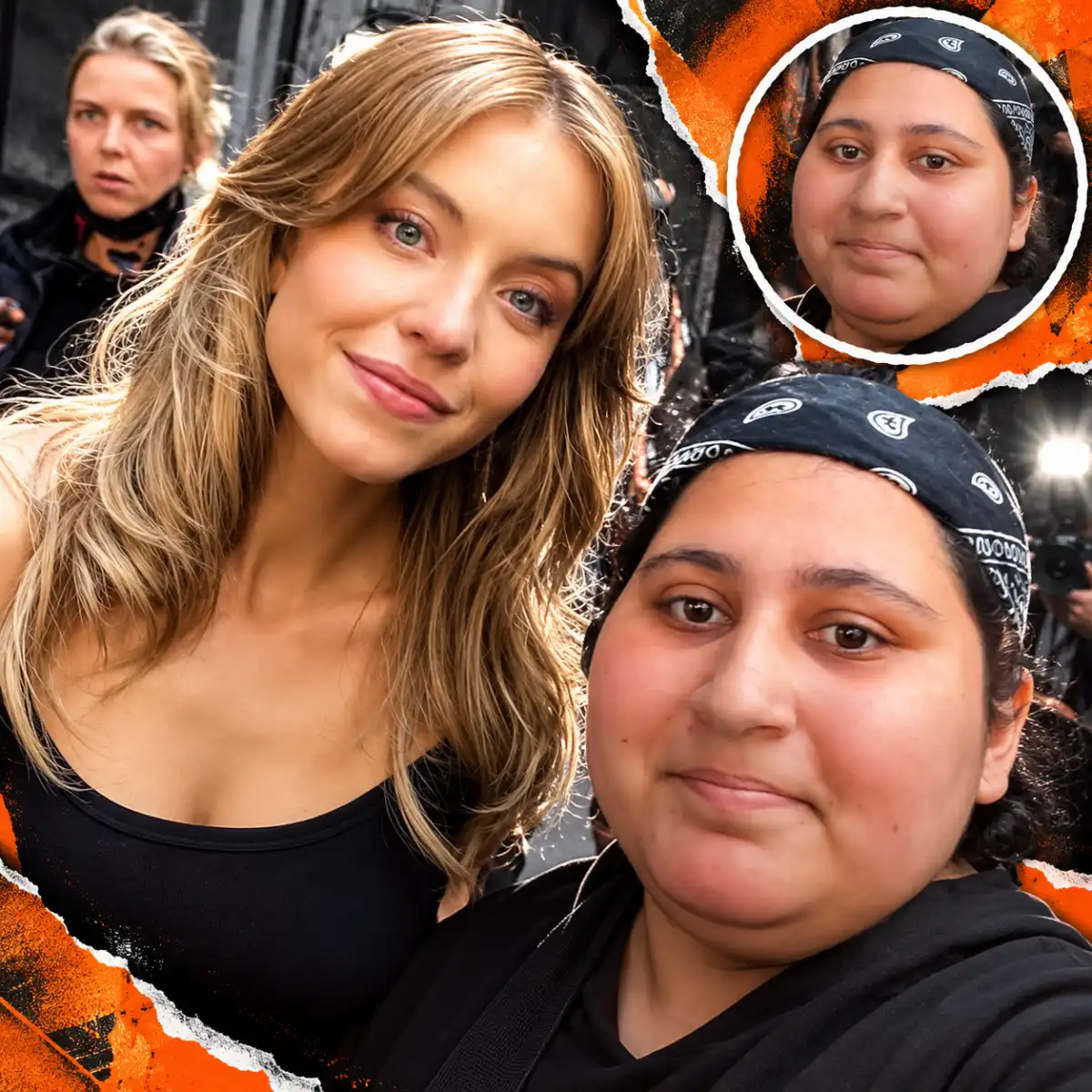
Stranger Things star Noah Schnapp has reportedly donated $20,000 to help a Palestinian nursing graduate leave Gaza and continue his studies in the UK, a gesture drawing particular attention because of the controversy previously surrounding the actor’s comments on Israel and Gaza.
The donation was reportedly made to Karam Fathi, a nursing graduate raising money to continue his education at the University of Leicester. Schnapp’s contribution covered the remaining amount Fathi needed to complete the fundraiser.
There is, however, an important distinction between the gesture itself and what people may read into it. Schnapp has not publicly said that the reported donation represents a change in his political views.
A $20,000 donation that carries unusual attention
On its own, a celebrity contributing $20,000 to help a student continue his education would be a notable act of generosity. In Schnapp’s case, the wider context has inevitably made the donation more politically charged.
The actor, best known for playing Will Byers in Netflix’s Stranger Things, previously faced controversy over his comments and public positioning around Israel and Gaza.
That history means the reported donation to Fathi is likely to be examined as more than a straightforward contribution to a fundraiser, even though there is no statement from Schnapp attaching a broader political meaning to it.
What can be said from the available information is considerably simpler: Fathi was raising money to leave Gaza and continue studying at the University of Leicester, and Schnapp reportedly supplied the $20,000 needed to close the remaining gap. :chatgpt-content-reference{index="0"}
Schnapp previously said his views had been ‘misconstrued’
The donation comes after Schnapp addressed criticism of his position on the conflict in 2024, saying that his views had been “misconstrued”.
He also stated that he opposed the killing of innocent people, attempting to clarify his position amid the backlash surrounding his earlier comments.
Those remarks provide important context for the attention now surrounding the donation. They do not, however, establish that Schnapp has adopted a new political position, nor has the actor publicly described the contribution to Fathi in those terms. :chatgpt-content-reference{index="1"}
That distinction matters. A donation can be significant without functioning as a political manifesto, however tempting it may be for social media to turn one into the other.
Why the gesture matters without overinterpreting it
For Fathi, the practical significance is much clearer than the political interpretation: the reported $20,000 contribution completed the amount he needed while seeking to leave Gaza and continue his nursing studies in Britain.
For Schnapp, the gesture inevitably sits alongside the public debate generated by his previous statements. The contrast is precisely why the donation has attracted attention.
In my view, the most reasonable way to read the gesture is also the least dramatic one. The available evidence supports describing Schnapp’s donation as meaningful assistance to a Palestinian student, particularly given the size and apparent importance of the contribution to the fundraiser. It does not support declaring that the actor has reversed, abandoned or substantially altered his political beliefs.
Trying to force the donation into either a redemption narrative or a political conversion risks saying more about the observer than about Schnapp himself.
The unanswered question is what Schnapp intended
Unless Schnapp chooses to explain the motivation behind the reported contribution, its broader meaning remains open to interpretation.
What is concrete is the outcome: a Palestinian nursing graduate seeking to continue his education at the University of Leicester reportedly received the final $20,000 he needed, with Schnapp providing the money.
Given the actor’s history with this subject, people will inevitably debate what the donation says about him. For Fathi, the more immediate consequence is less abstract: his fundraiser reached its target.